The mythology of classical music is full of so-called geniuses, but these geniuses often committed horrible acts.
From stalking to abusing to committing murder, these composers caused real harm in the lives of the people around them.
Today, we’re looking at six of the darkest figures in music history: Carlo Gesualdo, Jean-Baptiste Lully, Hector Berlioz, Richard Wagner, Claude Debussy, and Leoš Janáček – and the disturbing stories about their lives that are tough to ignore.
Carlo Gesualdo (1566-1613)
Gesualdo’s Sesto libro de Madrigali – Moro, lasso, al mio duolo
Carlo Gesualdo was born the younger brother of the future Prince of Venosa in present-day Italy.
However, when that brother died in 1584, 18-year-old Carlo became the heir instead. He had to withdraw from pursuing an ecclesiastical career to become the successor.
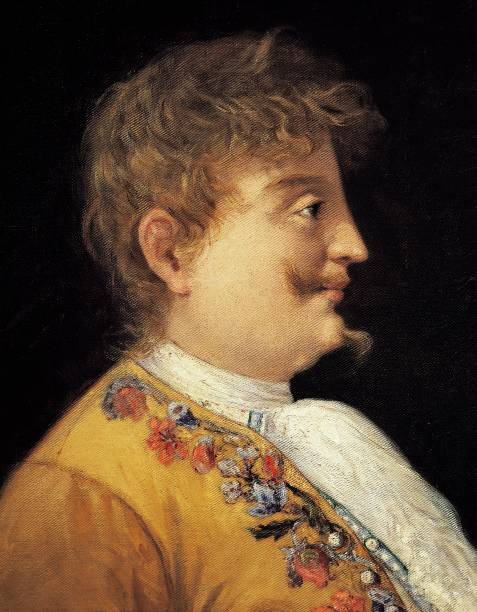
Portrait of Carlo Gesualdo, Painting by Francesco Mancini, c. 18th century
Two years later, he married his cousin Donna Maria d’Avalos, and they had a baby son together.
In 1590, Gesualdo found his wife in bed with another nobleman. Gesualdo stabbed both the nobleman and his wife to death, then mutilated their corpses to make sure they were dead.
Because of his noble background, he was never prosecuted or punished.
Four years later, he remarried a woman named Leonora d’Este. He abused her, and her family attempted to secure a divorce for her, but they were never successful. She spent a lot of time away from her husband.
Gesualdo died in 1613, three weeks after the death of his son with Donna Maria. We don’t know what caused Gesualdo’s death, but theories range from grief-induced suicide to his servants killing him in a masochistic ritual to Leonora poisoning him.
Summation: He murdered his wife and his wife’s lover, and abused his second wife.
Jean-Baptiste Lully (1632-1687)
Lully’s Les Folies d’Espagne
Jean-Baptiste Lully was born in Florence. At the age of fourteen, he was hired to work as an Italian language tutor for the niece of Louis XIII.
He studied dance and music, and in February 1653 came to the attention of the music-loving Louis XIV. By the following month, he was the new royal composer for instrumental music.
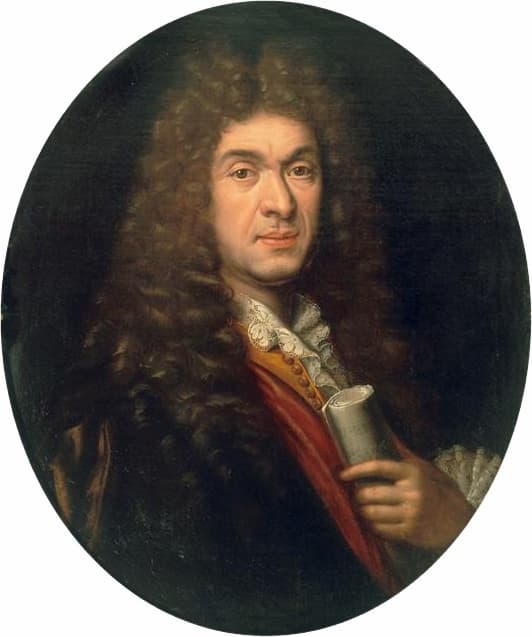
Portrait of Jean-Baptiste Lully by Paul Mignard
In 1661, Louis XIV named Lully superintendent of the royal music and music master of the royal family.
Lully was now a very powerful figure in the royal court. He married and had six children, and by all external appearances, he had a very respectable life and career.
However, he also gained a reputation as being sexually voracious and abusive. As rumour had it, he abused choirboys who worked with him.
In 1685, he was accused of having an affair with an underage page boy who lived in his household. The resulting scandal made Lully fall out of favour with Louis XIV.
There’s also a rumour that, when he worked at the Paris Opera, Lully punched a pregnant singer to get her to miscarry.
Summation: Not a lot of solid proof has survived over the centuries, but the rumours are dark: abuse of a young servant, choirboys, and employees.
Hector Berlioz (1803-1869)
Berlioz’s Symphonie Fantastique
Berlioz’s obsession with Harriet Smithson has gone down in music history as something that was perhaps a little kooky or eccentric, but ultimately harmless. However, nowadays we’d consider his response to be stalking.
Harriet Smithson was an Irish actress who didn’t even speak French, whom Berlioz saw perform Shakespeare in Paris. He immediately became infatuated with her.
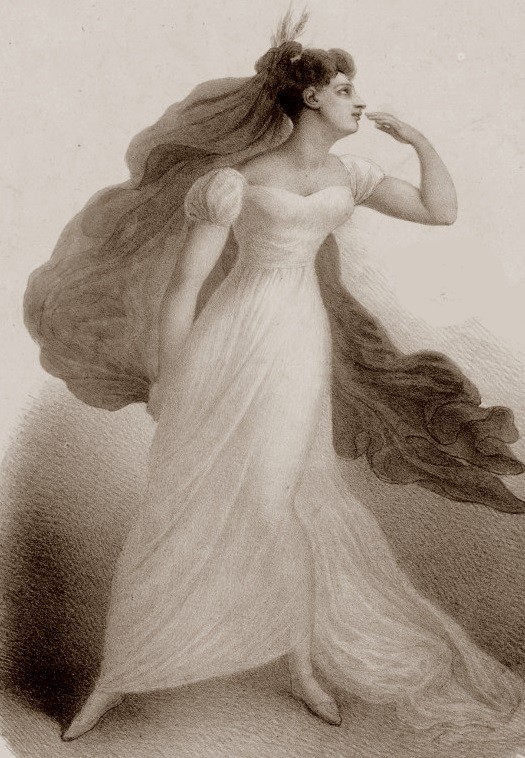
Harriet Smithson as Ophelia
For months, he sent her gifts and letters (again, in a language she didn’t understand). He even escalated to renting an apartment across the street from her to watch her coming and going.
He then wrote an entire programmatic symphony (the Symphonie Fantastique) in which a young composer murders an unattainable love interest.
After breaking his obsession with Irish actress Harriet Smithson, he began dating piano sensation Marie Moke. They became engaged in 1830.
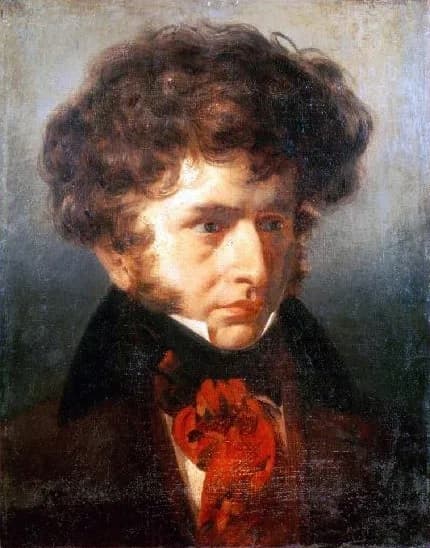
The young Hector Berlioz
That autumn, Berlioz left to study in Rome. The following April, he received a letter from Moke’s mother informing him that Marie had married Camille Pleyel, an heir to a piano-making company.
Berlioz was so furious that he plotted a mass shooting to take revenge. He wanted to kill Moke, her mother, and himself. He bought guns, poison, and even a maid’s costume, and set off on the carriage ride back to Paris.
In the end, he abandoned the plan mid-trip. But he wrote about it all in his memoirs, and, worse, treated the entire incident as nothing more than an amusing tidbit.
Summation: He stalked an actress who had no interest in him, and then planned to kill his ex after she married someone else.
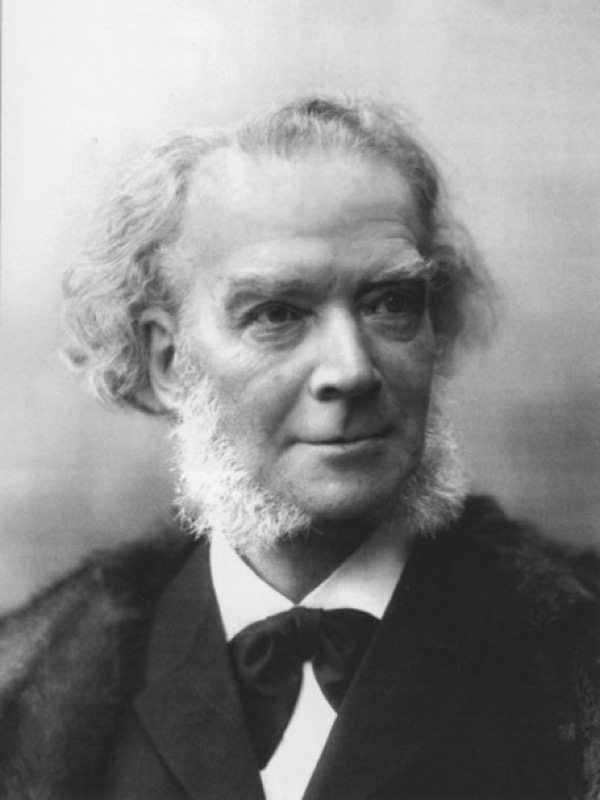
Richard Wagner (1813-1883)
A documentary on Hitler’s love of Wagner
Ask any classical music lover what the worst thing about Wagner was, and everyone will answer, “he was a raging antisemite.”
On this front, he is most infamous for writing his essay “Das Judenthum in der Musik” (“Jewishness in Music”).
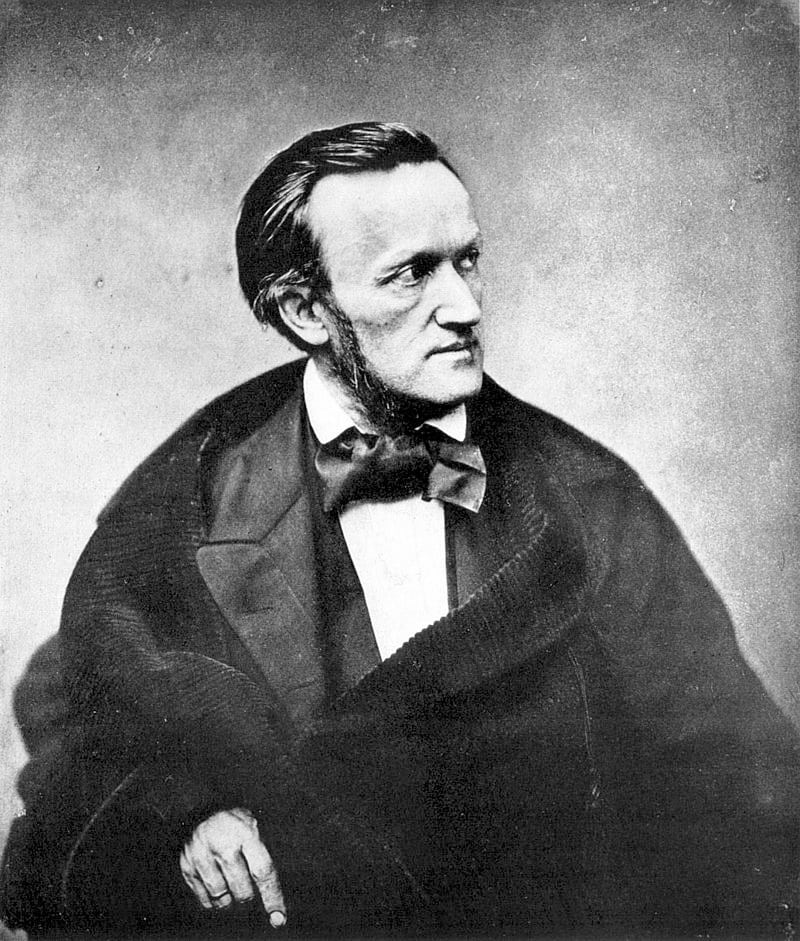
Richard Wagner, 1861
The first version was published in the low-circulation Neue Zeitschrift für Musik in 1850. Perhaps if he had evolved on the issue over the following years, more people would have been willing to give him a pass on his views.
Unfortunately, he reprinted his article – and even expanded it! – in 1869.
His antisemitic views appear to have softened somewhat in the last decade of his life, but the damage to his reputation had been done.
He had ridiculed Jewish composers like Meyerbeer and Mendelssohn, and he even went so far as to criticise Robert Schumann (who was Christian) for letting so-called Jewish qualities weaken the impact of his later music. He also tied music to ideas of racist German nationalism that, just a few decades later, would go on to inform Nazi ideology.
Even aside from the antisemitism (and that’s a pretty big thing to put aside!), he showed no remorse for using friends as piggy banks; he fled his creditors multiple times; and he cheated on his wife. Even those who appreciated his music had trouble dealing with him as a person.
Summation: His extreme – and extremely vocal – antisemitism tied him to the Nazis, and enabled them to use him as a cultural touchstone.
Claude Debussy (1862-1918)
Short documentary on Debussy’s life and loves
Claude Debussy was a serial womaniser and emotional abuser.
In 1887, he began dating a tailor’s daughter named Gabrielle Dupont. They dated for nine years, until 1896, when Debussy fell in love with and proposed to a singer named Therese Roger.
He received anonymous letters criticising his decision. He was so affected by them that he broke off the engagement with Roger, too.
Dupont was so devastated by these developments that she attempted suicide. (Fortunately, she survived.)
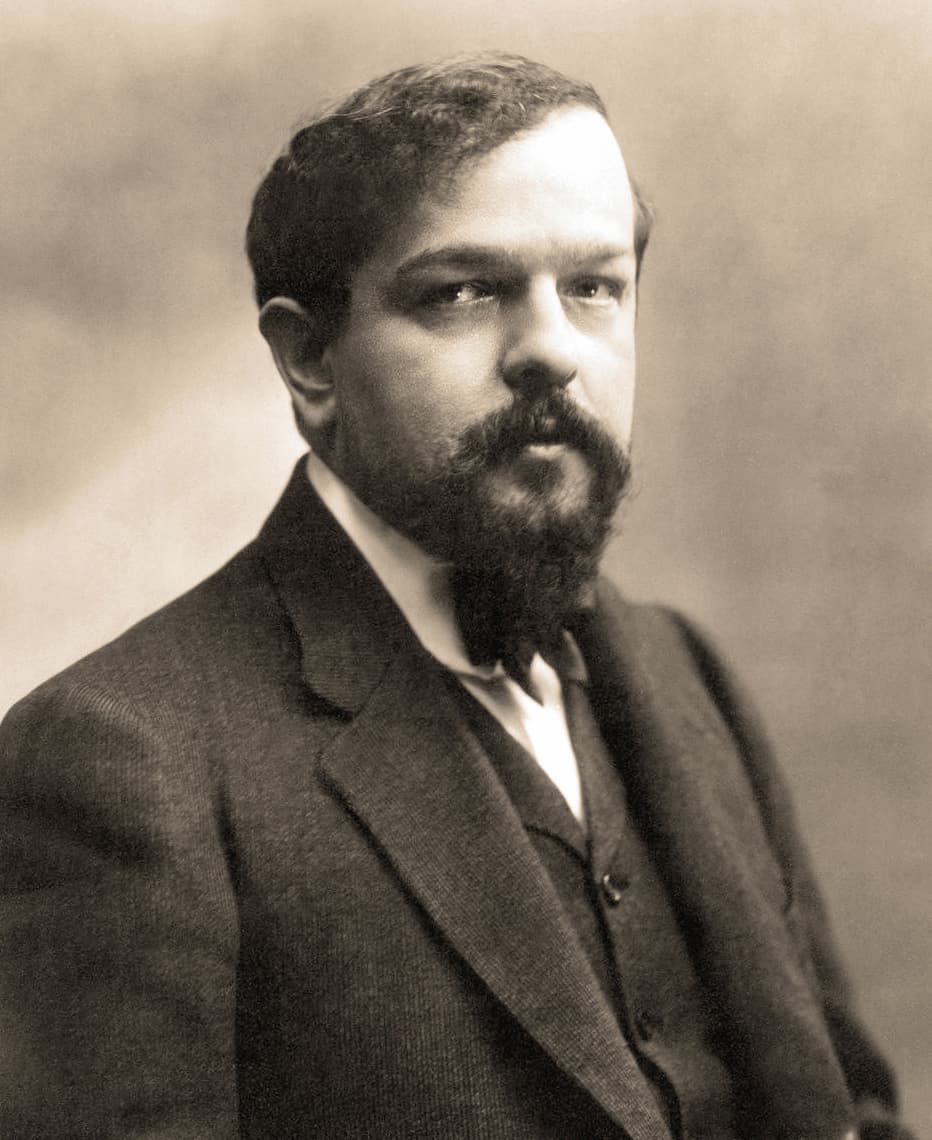
Nadar: Debussy 1908
After all this, Debussy did return to Dupont, but soon he broke up with her again.
In the spring of 1899, he met an attractive model named Rosalie Lilly Texier. He wrote to a friend that “She is unbelievably fair and pretty, like some character from an old legend.” Dupont tried to warn Texier about her ex’s unfaithfulness, but it wasn’t enough to split them up. Debussy and Texier married that fall, a few months later.
You can guess what happened next. In October 1903, Debussy met Emma Bardac, the mother of one of his piano students, a stunningly beautiful and witty soprano. They fell in love, and by the summer of 1904, Debussy and Bardac decided they wanted to be together.
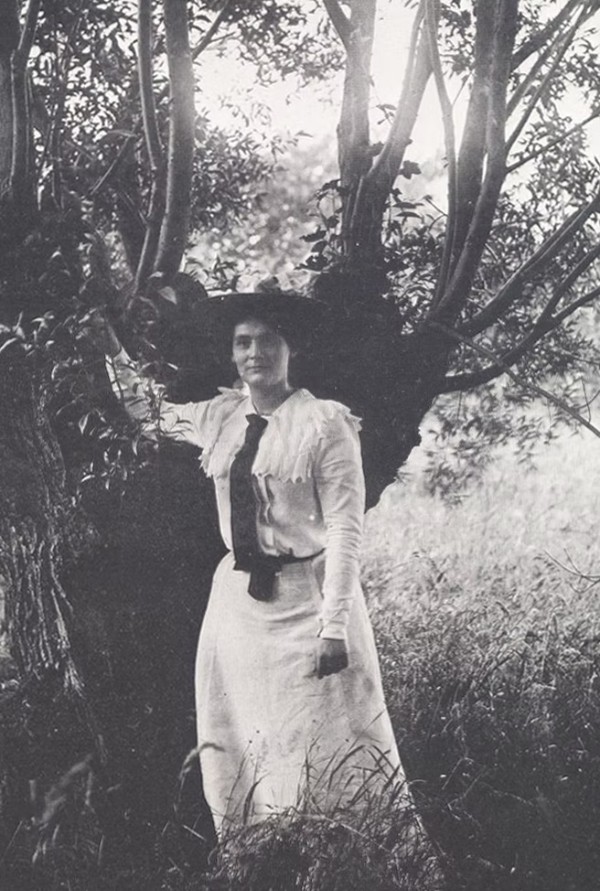
Rosalie Texier © en.debussyabichain.com
On their fifth wedding anniversary, Texier – like Dupont, the same woman who had warned her – shot herself. Fortunately, she survived.
Debussy came to visit Texier’s doctor to see if she would survive. When he found out she would, he vanished. He didn’t even pay her medical bills, to the horror of the Parisian music world.
Debussy and Bardac did eventually marry, but they had to flee Paris to let the scandal die down.
Summation: His unfaithfulness drove two of his love interests to attempt suicide.
Leoš Janáček (1854-1928)
Janáček’s String Quartet No. 2, “Intimate Letters”
In July 1881, 27-year-old composer and piano teacher Leoš Janáček married his 15-year-old student Zdenka Schulzová.
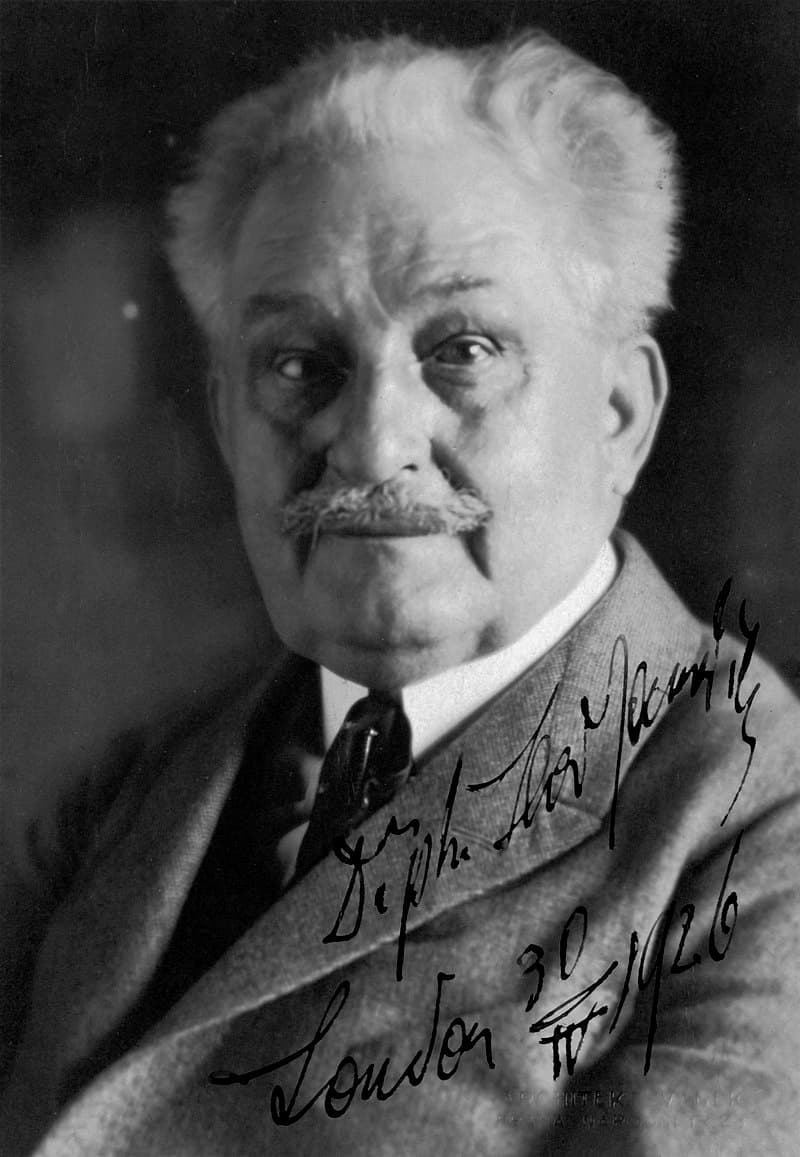
Leoš Janáček
A year later, Zdenka gave birth to a daughter named Olga. When Olga died in 1903, her death put a severe strain on his already-strained marriage.
In 1916, while Janáček was out of town seeking to stage his operas, he became infatuated with soprano Gabriela Horvátová. Zdenka was so devastated that she tried to commit suicide.
Eventually, the couple decided on an “informal divorce”, where they would continue living together in the same home, but not as husband and wife.
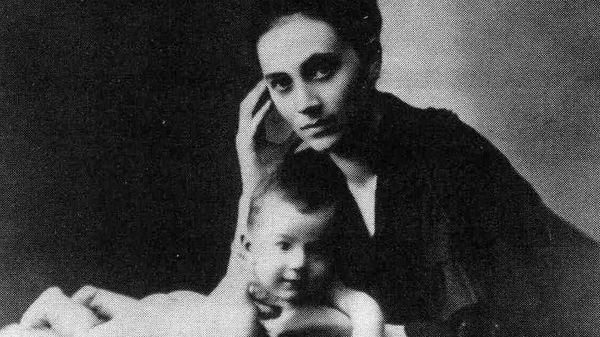
Kamila Stösslová in 1917
Things got even worse in the summer of 1917, when 63-year-old Janáček met 26-year-old Kamila Stösslová, a young married mother. Despite the fact that she was not interested in him and had a husband and baby, he sent her hundreds of love letters.
She also inspired many of Janáček’s later works, including the opera Katya Kabanová and his Intimate Letters string quartet.
Summation: He slept with a girl in her mid-teens who was nearly half his age, cheated on his wife, then became obsessed with a woman nearly forty years younger than him, despite the fact that she had no romantic interest in him.
Conclusion
Which story shocks you the most? Does it impact how you listen to their works, or do you separate art from the artist? Let us know in the comments.
For more of the best in classical music, sign up for our E-Newsletter