Classical musicians and listeners tend to take it for granted that great pianists have two working hands. But some of the most remarkable piano careers of the past two centuries were built under radically different circumstances.
From the nineteenth century to the modern era, a small but extraordinary group of artists forged international careers performing with a single hand alone. In most cases, this meant the left hand, but not always.
These careers were created in response to injury, illness, or war, at a time when such adaptations were neither common nor widely accepted.
Figures like Géza Zichy, Paul Wittgenstein, Cyril Smith, Siegfried Rapp, Gary Graffman, and Leon Fleisher not only adapted existing repertoire but also actively reshaped it, prompting new compositions, concertos, and technical innovations that permanently expanded the piano’s expressive possibilities.
Today, we’re looking at the lives and careers of these single-handed pianists, examining how personal tragedy, historical circumstance, and artistic determination all intersected to produce one of the most unusual and influential repertoires in classical music.
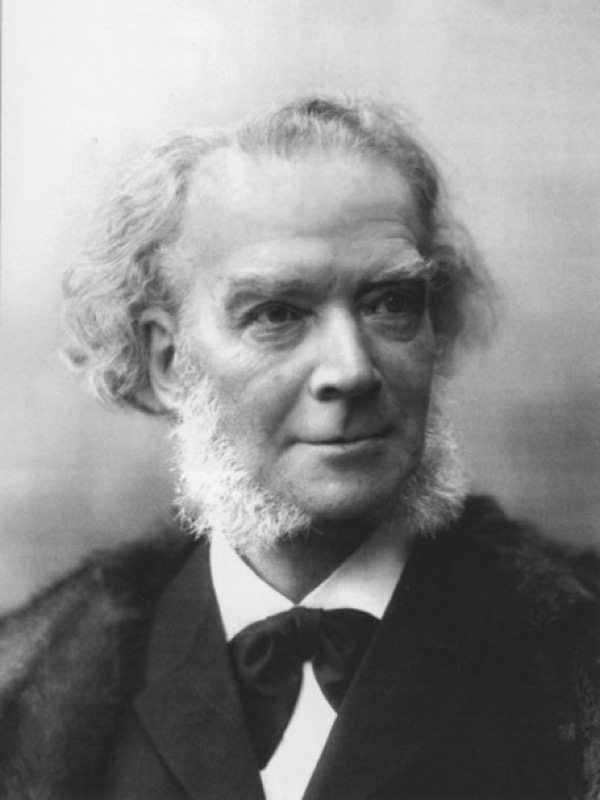
Géza Zichy (1849–1924)
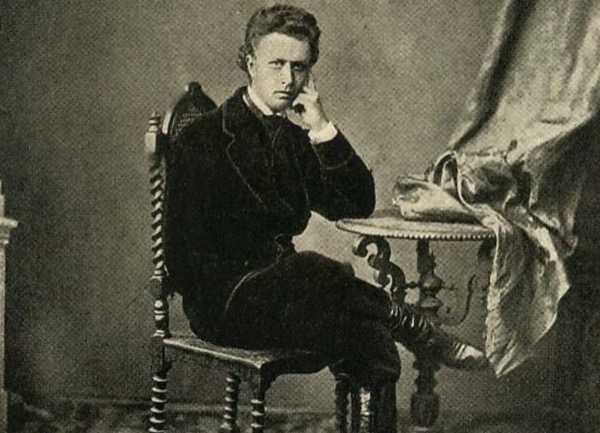
Géza Zichy
Der Erlkönig by Schubert, arranged for piano by Liszt, arranged for left hand by Zichy
Pianist Count Géza Zichy had one of the most striking biographies in nineteenth-century classical music.
Born to an aristocratic family in present-day Slovakia, he began playing piano at three. After losing his right arm in a hunting accident when he was fourteen, he continued playing repertoire arranged for the left hand.
In 1873, he began studying privately with Franz Liszt, who befriended him and played three-handed piano arrangements at soirees with him.
Liszt wrote about him, “He is an astounding artist of the left hand, so remarkably dexterous that the greatest pianists would be hard put to match him.”
He toured internationally and produced a significant body of arrangements and original works for the left hand alone, including an entire piano concerto.
He died in Budapest in 1924 at the age of 74.
Paul Wittgenstein (1887–1961)
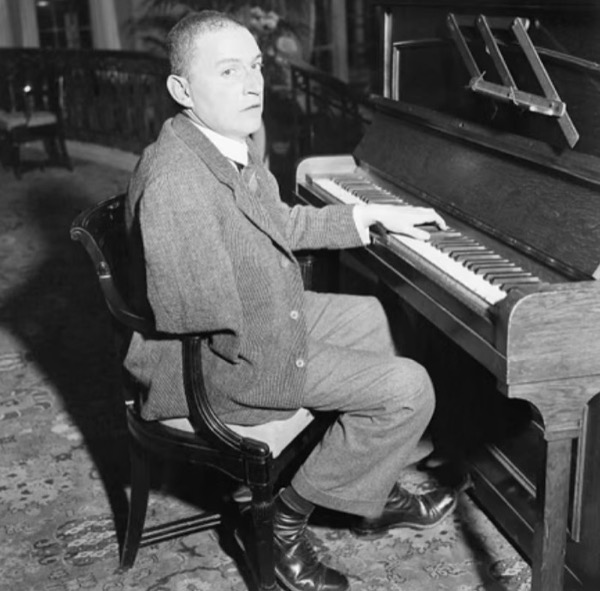
Paul Wittgenstein
Wittgenstein playing Raff’s La Fileuse, arranged for the left hand
Paul Wittgenstein was born in Vienna to a wealthy industrialist and his wife, who hosted musical celebrities like Brahms, Mahler, and Richard Strauss.
He studied piano under Theodor Leschetizky, one of the most prominent teachers in Europe at the time.
Although he made a well-regarded debut in 1913, his career was cut short after World War I began the following year. During the war, he was shot in the elbow and captured by Russian troops. His right arm eventually had to be amputated.
As he recovered, he became determined to continue his career by using only his left hand. After the war, he made his own arrangements. He also commissioned famous composers, including Britten, Hindemith, Korngold, Prokofiev, Ravel, and others, to write left-handed works. (Famously, however, he was known to object to the results, or to make unsanctioned changes to them.)
Wittgenstein’s commissions created a repertoire that would later become a lifeline for the next generation of injured pianists.
During World War II, his Jewish ancestry forced him to flee Vienna; he moved to the United States in 1938, where he died in 1961.
Cyril Smith (1909–1974)
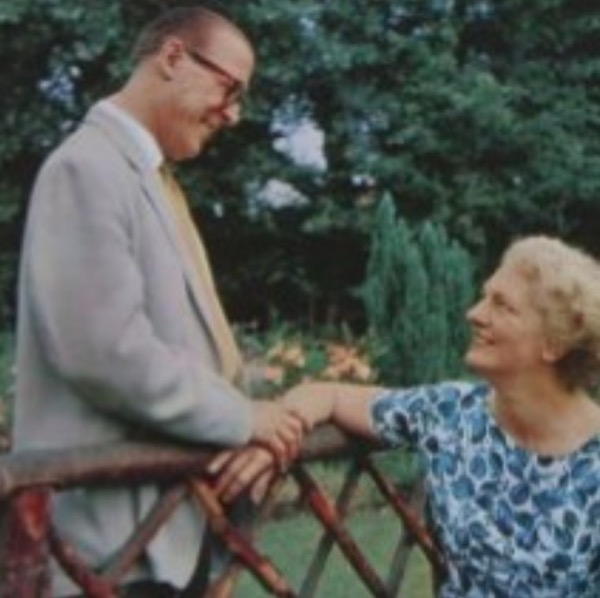
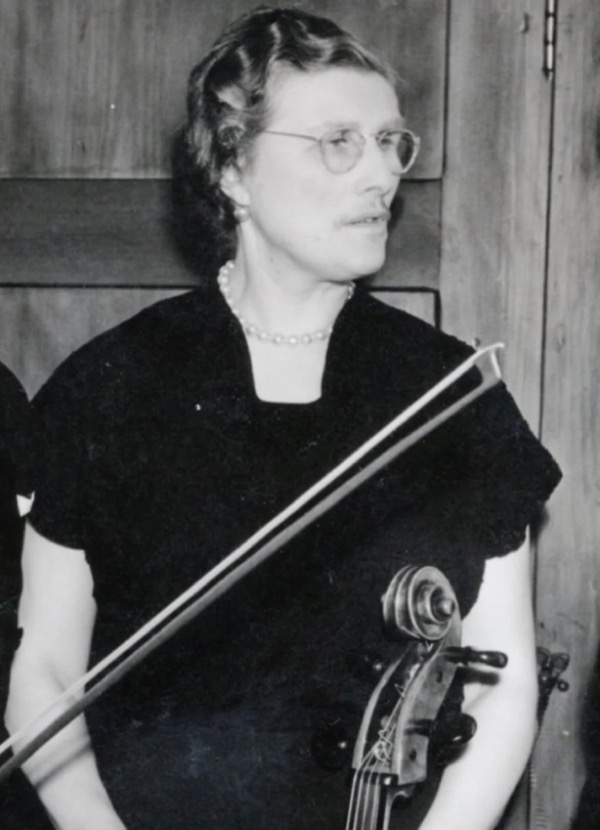
Cyril Smith and Phyllis Sellick
Cyril Smith & Phyllis Sellick play Schubert Fantasie in F minor D.940, arranged for 3 hands
Cyril Smith was born in Middlesbrough, England, in 1909. He studied piano as a boy, then enrolled at the Royal College of Music. He made his debut in Birmingham in 1929.
While working at the BBC, he met his future wife, pianist Phyllis Sellick, whom he married in 1937.
During World War II, Cyril and Phyllis began making appearances as a piano duo, both in Britain and abroad. Their popularity was such that leading British composers like Malcolm Arnold and Ralph Vaughan Williams wrote music for them.
Their lives changed in 1956 during a tour stop in Kharkiv, Ukraine. Cyril developed blood clots and had a stroke that permanently paralysed his left arm.
He and Phyllis weren’t fazed; they continued to perform three-handed music as a duo.
In 1958, he wrote a memoir (with a chapter written by Phyllis) called Duet for Three Hands.
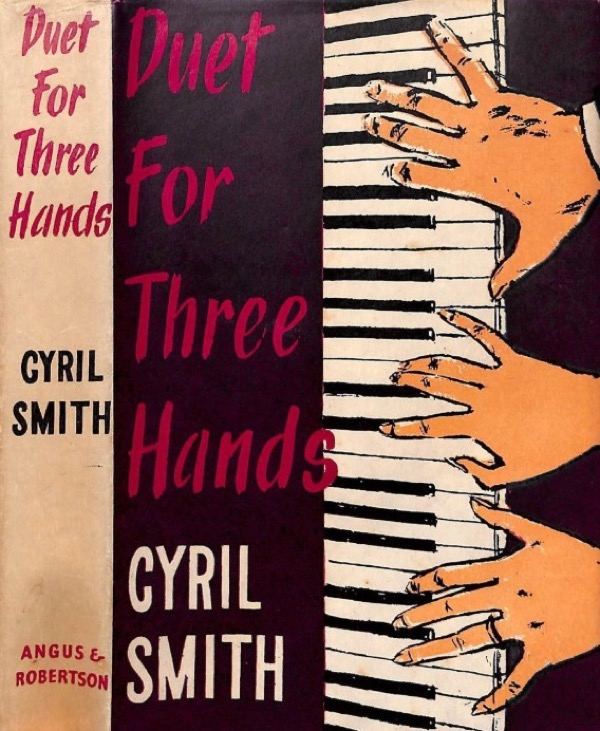
Cyril Smith, Duet for Three Hands (1958)
Siegfried Rapp (1917–1977)
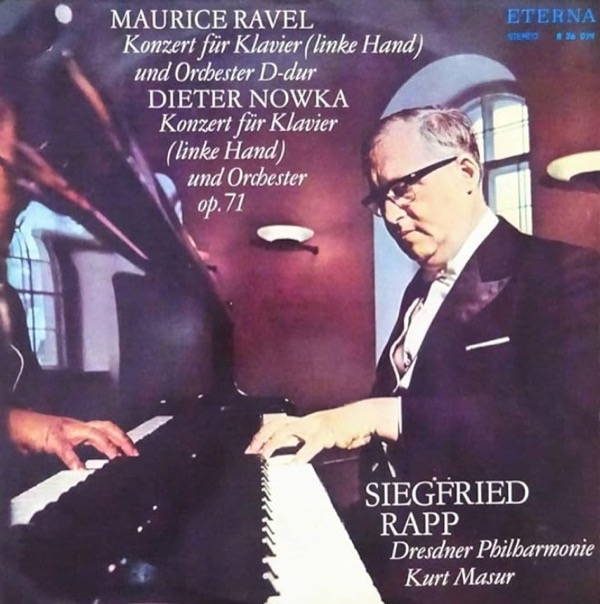
Siegfried Rapp
Rapp playing Britten’s “Diversions for Piano Left Hand and Orchestra”
Siegfried Rapp was born in Chemnitz in present-day Germany, and he studied piano at the Leipzig Conservatory.
During World War II, he served in the German Army, losing his right arm to shrapnel on the Russian front.
Despite his injuries, he refused to give up his musical career and continued playing, learning left-hand repertoire.
In the 1950s, he learned about a piano concerto that Paul Wittgenstein had commissioned but never performed: Prokofiev’s fourth. Rapp approached Wittgenstein, asking if he could play it. But Wittgenstein was leery, writing to him, “These works to which I still have the exclusive performance rights are to remain mine as long as I still perform in public” – a position that effectively kept the concerto silent for decades.
Fortunately for listeners, Wittgenstein gave in, and Rapp premiered the concerto in 1956 in Berlin.
Rapp continued championing Wittgenstein’s legacy, playing the second piano concerto by Sergei Bortkiewicz, which was also written for Wittgenstein and for the left hand alone.
Rapp died in 1977.
Gary Graffman (1928–2025)
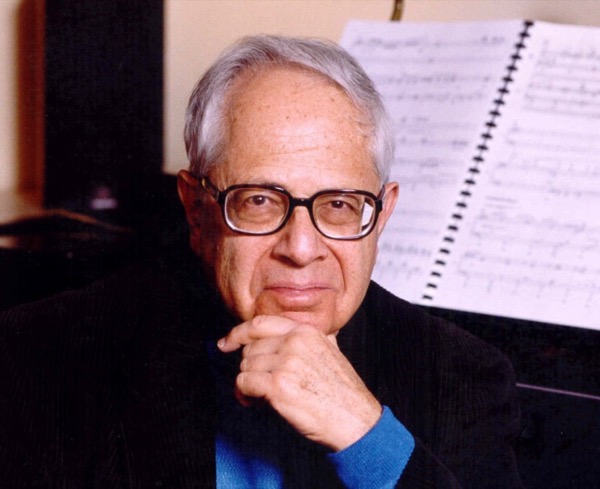
Gary Graffman
Graffman plays Prokofiev’s Piano Concerto No. 4
Gary Graffman was born in New York City in 1928. He began playing the piano when he was three years old, and began studying at the Curtis Institute when he was seven.
He made his debut with the Philadelphia Orchestra in 1946. Three years later, he won the prestigious Leventritt Competition.
His career went from strength to strength as he travelled the world giving recitals and playing concertos.
In 1977, he sprained the ring finger of his right hand. The resulting adjustments he made injured him further, and by 1979, he was forced to stop using his right hand at the keyboard entirely.
In response, he redirected his career toward teaching and administration. In 1980, he joined the Curtis Institute faculty, becoming the school’s director six years later.
However, he was still drawn to piano playing, and he began exploring the rich left-hand repertoire.
In 1985, he performed Korngold’s Piano Concerto for the Left Hand, a work that had been commissioned by Wittgenstein. He also premiered left-hand works by modern composers like Ned Rorem, Daron Hagen, and William Bolcom.
He died in December 2025.
Leon Fleisher (1928–2020)
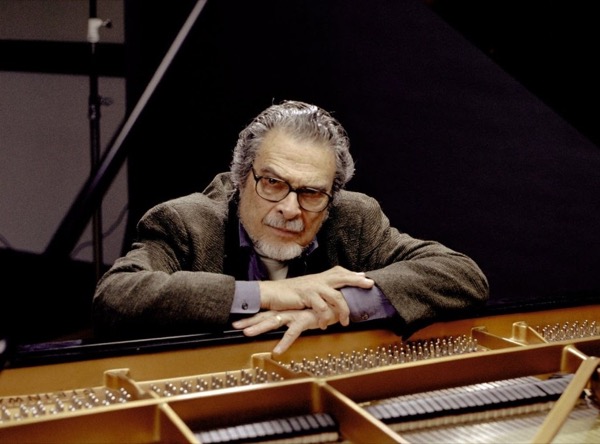
Leon Fleisher
Fleisher playing Bach’s Sheep May Safely Graze after his return to the stage
Leon Fleisher was born the same year as his friend Gary Graffman, but in San Francisco. He started playing piano at four and studying with Artur Schnabel at nine. He appeared at Carnegie Hall with the New York Philharmonic when he was sixteen.
In his twenties, he signed a contract with Columbia, recording a number of classic piano concertos. He also became the first American to win the Queen Elisabeth Competition.
Unfortunately, disaster struck for him in 1964, when he was 36. He lost the use of his right hand due to focal dystonia.
While searching for medical answers, he recorded Ravel’s Piano Concerto for the Left Hand, which Wittgenstein had commissioned. He also became more interested in teaching as well as conducting, eventually becoming the associate conductor of the Baltimore Symphony Orchestra.
During the 1990s, he consented to experimental Botox injections that helped restore the function of his right hand. In 2004, he made his first recording with two hands again.
Conclusion
Taken together, these six careers form a lineage of resilience, ingenuity, and musical ambition that spans over a century.
The left-hand piano repertoire they inspired includes some of the twentieth century’s most distinctive works, and their advocacy reshaped how composers, performers, and audiences understood the concept of piano virtuosity itself.
Today, left-hand piano music is no longer a curiosity or a footnote. Thanks to these artists, it stands as a testament to the idea that musical greatness is not confined to conventional bodies or conventional paths to mastery.
For more of the best in classical music, sign up for our E-Newsletter