On the outskirts of Lucerne is the beautiful little jewel box of a house where Richard Wagner lived in the suburb of Tribschen. Wagner and his wife Cosima lived there from 1866 to 1872. Forced to leave Munich because of his affair (and children) with Cosima, Wagner went to Villa Tribschen, which was paid for by his beloved sponsor, Ludwig II. He completed Die Meistersinger here in 1867, and ‘special previews’ of the first two parts of the Ring Cycle were performed in Munich in 1869 and 1870. He also wrote the pocket symphonic poem, The Siegfried Idyll, here to celebrate both Cosima’s birthday and the birth of their son Siegfried. It was performed on the villa’s stairs outside Cosima’s bedroom and, to our delight, as we approached the Villa, we heard its melodies ourselves. We’d wandered into a rehearsal and filming of the work, performed by members of the MET Orchestra, led by Yannick Nézet-Séguin. After their performance, Nézet-Séguin played on the Wagner Erard piano in the villa living room, obliging us with a bit of Tristan and the Idyll.
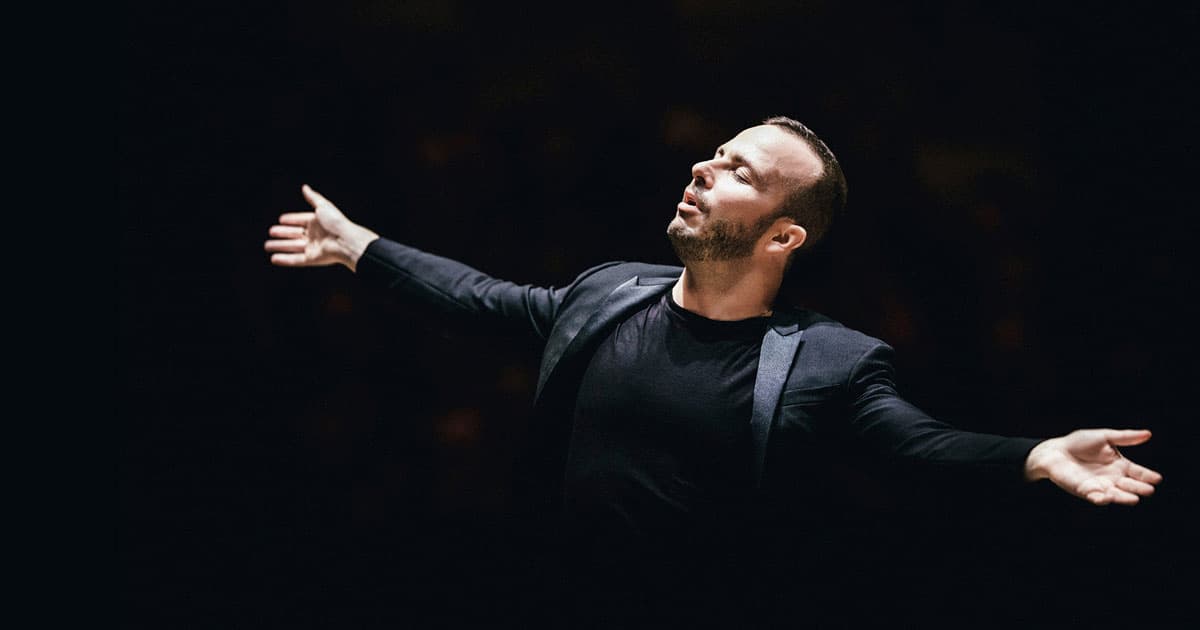
Yannick Nézet-Séguin
For the evening concert, we had a double bill, at 5 pm, the Collegium Musicum Luzern performed at the local Jesuitenkirche, opening with Mozart‘s Symphony No. 1, K. 16. Written at the age of 8, Mozart’s symphony is, as one might expect, more a tribute to his father’s and J.C. Bach‘s music than a true signal of the genius who was to come. The following Missa Solemnis, K. 337, was performed as part of a full Catholic Mass, which was unexpected to the audience, many of whom left. Rayner Taylor (1747–1825) Overture in G major closed the concert. Using the standard church amplification system was a mistake. Everything muddied and echoed. What should have been clear declarations to start movements became muddled in unnecessary electronic details.
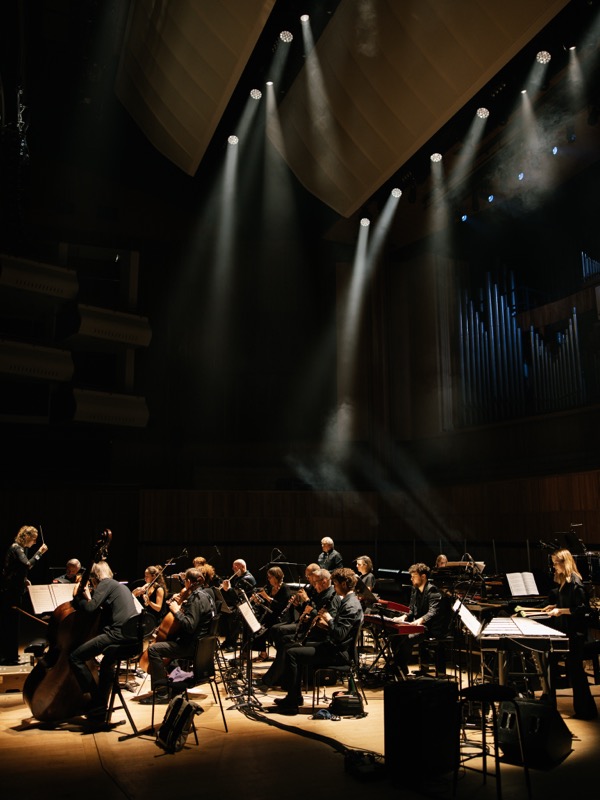
The evening concert with the MET Orchestra led by Yannick Nézet-Séguin opened with American composer Missy Mazzoli’s Sinfonia (for Orbiting Spheres) from 2013. Her circling worlds of sound used both unusual percussion effects and instrumental sounds to create her celestial vision.
Missy Mazzoli: Sinfonia (for Orbiting Spheres) (Arctic Philharmonic Orchestra; Timothy Weiss, cond.)
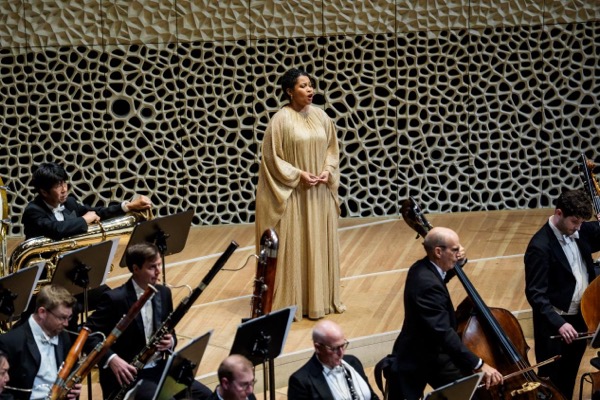
Long a favourite of Nézet-Séguin, mezzo-soprano Joyce DiDonato brought Mahler‘s Rückert-Lieder to the hall.
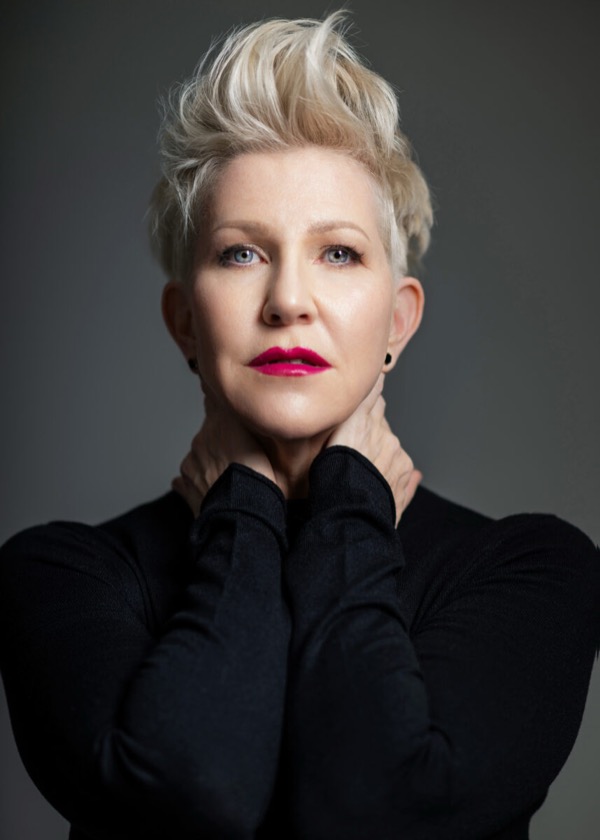
Joyce DiDonato (photo by Chris Gonz)
This is where more familiarity with this orchestra in the hall would have helped. Throughout, the orchestra was just too loud, not trusting the hall to permit their dynamic levels to reduce to where they should have been. Pianist Víkingur Ólafsson had remarked a couple of days earlier about how the sensitivity in the hall permitted the lowest of dynamics to be perfectly heard. The Met Orchestra overran their sound and, in some places, killed the music’s aesthetic. The fourth song, Um Mitternacht, has places for both sound and silence, and that distinction vanished.
Gustav Mahler: Rückert-Lieder: No. 2. Ich atmet’ einen linden Duft (arr. for voice and chamber ensemble) (Joyce DiDonato, mezzo-soprano; Il Pomo d’Oro; Maxim Emelyanychev, cond.)
The final work was Mahler’s Symphony No. 4, the last of his ‘Wunderhorn’-era symphonies. We expected greatness and didn’t receive it. Nézet-Séguin conducted the brass, string, wind, and percussion sections; unfortunately, he did not conduct the MET Orchestra. There was a distinct lack of cohesion in the orchestra. Individually, the sections of the orchestra played well, but as an orchestral ensemble, they were in completely separate worlds. In the final movement, where Joyce DiDonato joined them again for Das himmlische Leben [The Heavenly Life], she sang, unusually, from the middle of the orchestra. She sang it beautifully, but the vocal sections were followed by contrasting sleigh-bell sections performed extraordinarily fast, which served as unnecessary contrast. We really longed for a more considered performance. Just because the orchestra can play cleanly at breakneck speed doesn’t mean one should.
Gustav Mahler: Symphony No. 4 in G Major: IV. Sehr behaglich (Renée Fleming, soprano; Berlin Philharmonic Orchestra; Claudio Abbado, cond.)
Nézet-Séguin led what used to be one of the finest American orchestras in a performance that lacked a true orchestral sound. Sections were individually brilliant but didn’t come together to create a sound that befitted the material they performed. As a long-standing performer at the Lucerne Festival, Nézet-Séguin had an audience that loved him. Exuberant standing ovations followed the performance. Perhaps the audience needed to use their ears rather than their hearts that evening.
For more of the best in classical music, sign up for our E-Newsletter