The Latvian mezzo-soprano Elīna Garanča possesses a voice that weaves together strength and sensitivity, captivating audiences with its rich, velvety timbre and impeccable control. Born in Riga on 16 September 1976 into a musical family, her journey from a young singer steeped in Latvia’s vibrant choral tradition to an international opera star is a testament to her extraordinary talent and dedication.
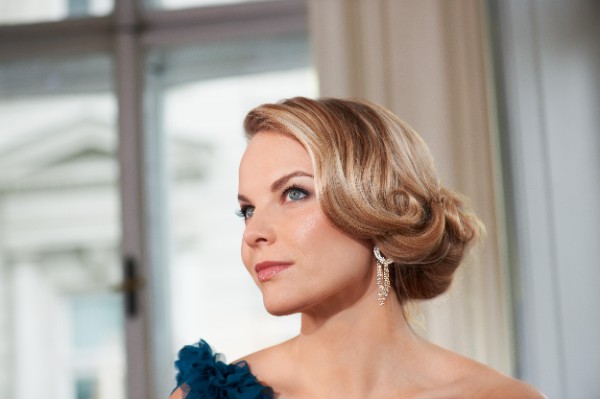
Elīna Garanča
Garanča brings a rare depth of emotion and nuance to the stage, earning her acclaim as one of the finest mezzos of her generation. Her artistry, marked by a seamless blend of vocal precision and dramatic intensity, has illuminated the world’s greatest opera houses.
With a career that spans opera, lieder, and concert repertoire, Garanča’s versatility and charisma have made her a beloved figure in classical music. On the occasion of her birthday on 16 September, let’s feature some of her most iconic recordings and performances.
Elīna Garanča sings Bizet: “L’amour est un oiseau rebelle,” Carmen
Whispers of Tristan
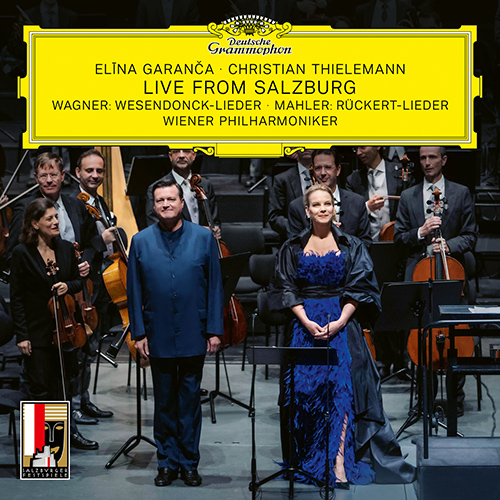
Elīna Garanča’s foray into Wagner’s Wesendonck Lieder, a cycle of five songs composed for voice and piano (later orchestrated) and steeped in the lush, yearning Romanticism of the composer’s Tristan und Isolde period, stands as a luminous testament to her artistic evolution.
Known for her commanding mezzo-soprano, Garanča brings a rare blend of vocal opulence and emotional intimacy to these songs, which are imbued with poetic longing and Wagner’s signature chromatic intensity. Revealing a voice capable of navigating the cycle’s soaring melodies and intricate emotional landscapes with a balance of power and vulnerability, Garanča transforms Mathilde Wesendonck’s poetry into a vivid tapestry of love, loss, and transcendence.
Critics have been effusive in their praise for Garanča’s rendition. Gramophone lauded her “radiant mezzo, which unfurls with a silken intensity, balancing Wagner’s expansive lyricism with a deeply personal sensitivity,” while The Financial Times described her interpretation as “a masterclass in controlled ardour.”
Richard Wagner: 5 Gedichte für eine Frauenstimme, “Wesendonck Lieder” (arr. F. Mottl for voice and orchestra) (Elīna Garanča, mezzo-soprano; Vienna Philharmonic Orchestra; Christian Thielemann, cond.)
Echoes of Emotion
Elīna Garanča’s rendition of Vincenzo Bellini’s “Dopo l’oscuro nembo” is a radiant showcase of her bel canto mastery, where her sumptuous mezzo-soprano breathes life into the lyrical elegance and emotional depth of the composer’s music. This lesser-known gem, with its flowing melodies and poignant text, finds in Garanča an interpreter of extraordinary sensitivity.
Her voice glides effortlessly through Bellini’s ornate vocal lines while infusing the aria with a profound sense of yearning and introspection. Her performance captures the essence of bel canto’s demand for both technical virtuosity and expressive purity, transforming the aria’s depiction of inner turmoil into a moment of transcendent beauty.
Critical reactions to Garanča’s interpretation of this aria, particularly in her 2009 album Bel Canto (Deutsche Grammophon) and select recital performances, have been glowing, with reviewers praising her “seamless vocal control and emotional authenticity.”
Elīna Garanča sings Bellini: “Dopo l’oscuro nembo,” Adelson e Salvini
Bel Canto Brilliance
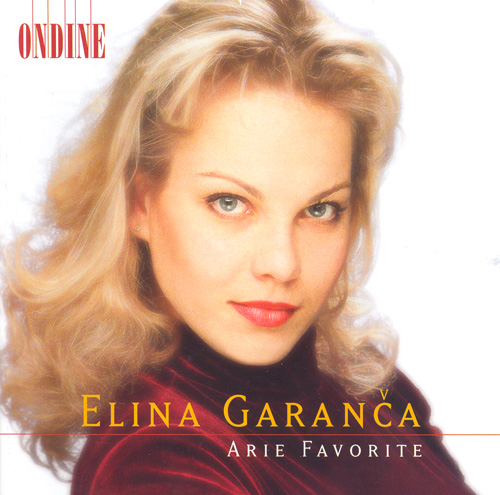
Elīna Garanča’s performance of “Nacqui all’affanno” from Rossini’s La Cenerentola is a dazzling display of her bel canto virtuosity, where her radiant mezzo-soprano transforms the iconic final aria into a triumphant celebration of resilience and joy.
This showpiece, sung by the character Angelina (Cinderella) as she reflects on her journey from hardship to happiness, demands both vocal agility and emotional depth, qualities Garanča delivers with breathtaking precision. Her voice soars through Rossini’s florid coloratura passages, sparkling with crystalline runs and trills, while infusing the aria’s jubilant climax with a warmth and sincerity that capture Angelina’s transformation.
Reviews suggest that her performances were “electrifying, blending technical wizardry with a heartfelt sincerity that made the aria’s emotional arc unforgettable.” These reviews underscore Garanča’s ability to marry Rossini’s demanding vocal acrobatics with a charismatic and authentic portrayal.
Gioachino Rossini: La Cenerentola (Cinderella), Act II: Nacqui all’affanno e al pianto (Elīna Garanča, mezzo-soprano; Latvian National Symphony Orchestra; Aleksandrs Vilumanis, cond.)
Art and Anguish
Elīna Garanča’s interpretation of “Vissi d’arte” from Puccini’s Tosca is a spellbinding showcase of her ability to channel profound emotional depth through her sumptuous mezzo-soprano. Garanča’s rendition of Floria Tosca’s heartfelt lament, where the character reflects on her life devoted to art and love amidst betrayal and despair, radiates with a rich, velvety timbre and an aching vulnerability.
Her seamless legato and dynamic control illuminate the aria’s soaring phrases, while her innate dramatic instinct imbues each note with the weight of Tosca’s existential crisis. Performed in recitals and captured in recordings, her performances blend lyrical elegance with raw intensity, offering a deeply moving interpretation that reaffirms her versatility and emotional insight as one of today’s foremost operatic artists.
Beyond her vocal prowess, Garanča carries a magnetic stage presence, her performances infused with a natural elegance and an ability to convey the subtlest shades of human experience. Whether delivering the sultry allure of Bizet’s Carmen or the introspective poetry of Strauss, Garanča’s artistry invites listeners into a world where music and emotion powerfully intertwine.
For more of the best in classical music, sign up for our E-Newsletter