The musical journey of Itzhak Perlman, born in Tel Aviv on 31 August 1945, from young prodigy to one of the world’s most celebrated violinists, is a testament to his unyielding spirit and extraordinary talent.
Stricken with polio at the age of four, he defied physical limitations and transformed adversity into a profound connection with his instrument. Perlman has the remarkable ability to weave timeless melodies with both technical mastery and soul-stirring depth.
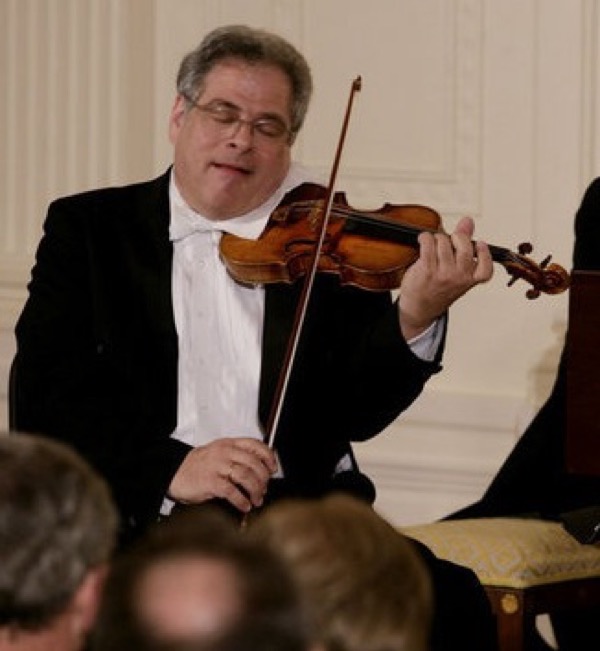
Itzhak Perlman (White House)
As we celebrate his birthday on 31 August, we turn to one of the most memorable chapters in his career, and we look at his collaboration with John Williams and Steven Spielberg on Schindler’s List, in which Perlman performed the violin solo that became one of the most famous film themes in classical music.
John Williams: Schindler’s List Theme (Itzhak Perlman)
From Page to Screen
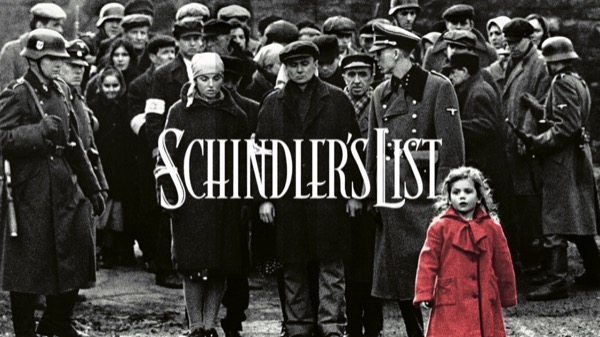
Schindler’s List
The 1993 film Schindler’s List was a huge box-office success and earned multiple accolades, including seven Academy Awards, seven BAFTAs, and three Golden Globes. Listed among the greatest films ever made, the film was deemed “culturally, historically and aesthetically significant.”
Away from the shining lights of Hollywood, the film is based on the historical novel Schindler’s Ark by Australian author Thomas Keneally, who wrote it after meeting Poldek Pfefferberg, a Polish Holocaust survivor saved by the real-life businessman Oskar Schindler.
Pfefferberg had long attempted to have a movie made about Schindler’s life, and once Universal Pictures bought the film rights, Steven Spielberg eventually directed it himself. Together with cinematographer Janusz Kaminski, they established a documentary-like aesthetic for the film, which was shot in black-and-white at locations including the Auschwitz-Birkenau concentration camp and Schindler’s former factory.
Schindler’s List (Anniversary Trailer)
When Words Were Not Enough
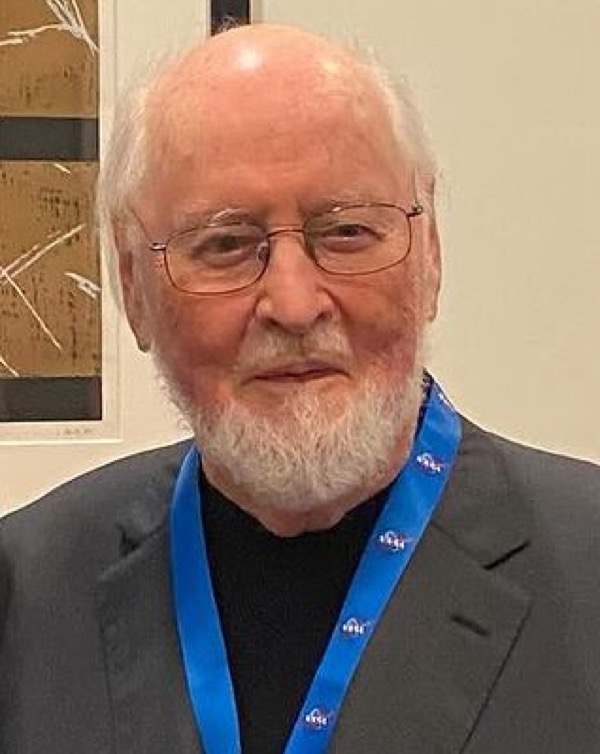
John Williams (2024)
The shooting of Schindler’s List was deeply emotional for Spielberg, as the subject matter forced him to confront elements of his childhood. He once commented that “he felt more like a reporter than a filmmaker.”
For the soundtrack, Spielberg once again approached John Williams, as they had been working together for more than twenty years. They had already collaborated on Jaws, Close Encounters of the Third Kind, Raiders of the Lost Ark, and numerous other Spielberg films.
As the film was shot largely on location in Poland, Williams was brought into the project only after Spielberg had completed the film. According to Williams, they normally watched the complete film together and then discussed what the music should do.
However, when the screening of Schindler’s List ended, Williams was overwhelmed by the final scene, in which survivors and their descendants visit Schindler’s grave in Israel. Williams had to leave the room to compose himself.
Schindler’s List: “Final Scene”
The Sound of Memory and Loss
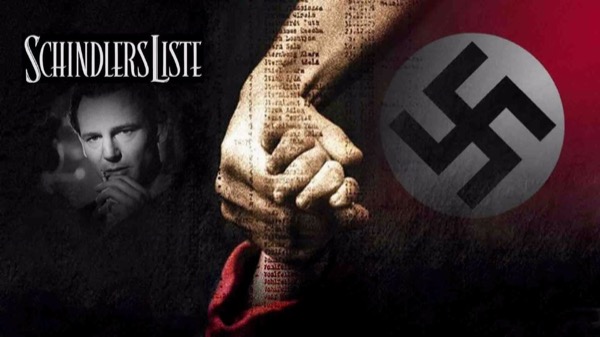
Schindler’s List
When he returned, he told Spielberg that he was not the right composer for the film and that it needed a better one. Spielberg replied, “I know. But they’re all dead.”
Spielberg wanted the score to connect with the Jewish musical world of pre-war and wartime Central Europe. There are several specific Jewish musical references in the score, including a Yiddish song that Spielberg’s grandmother had sung to him and his siblings.
After much deliberation, the solo violin became the defining element of the score, and Spielberg suggested Itzhak Perlman as the performer. In fact, the Schindler’s List Theme emerged with Perlman’s extraordinary sound in mind.
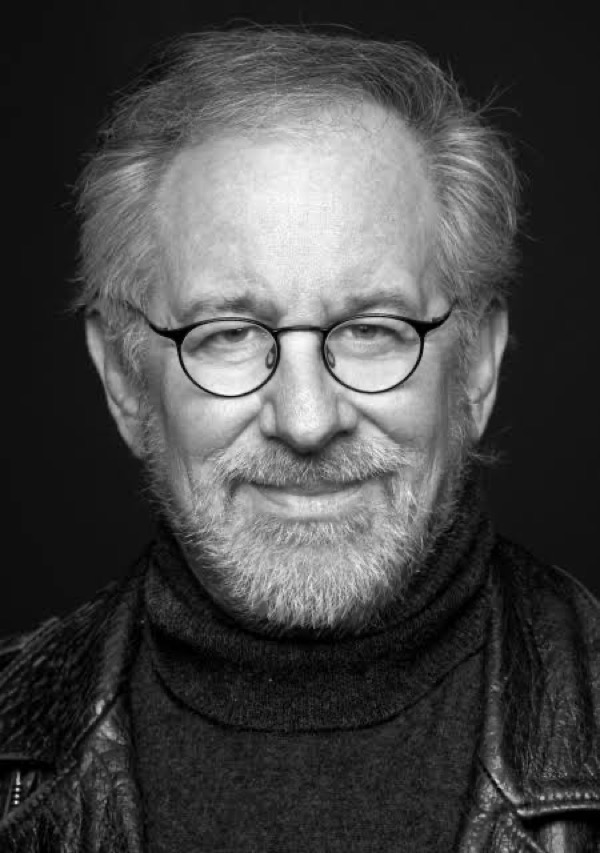
Steven Spielberg
Perlman’s playing carries an unmistakably human quality, with long, singing violin lines suggesting a mourning voice unable to express itself in words. Williams then surrounds that melody with a restrained orchestral language, and this passage easily became the emotional centre of the score.
Schindler’s List was produced alongside Jurassic Park, for which Williams also wrote the music at the same time. Williams has spoken about composing these highly contrasting scores together, switching back and forth from the spectacular world of the dinosaurs to one of the most painful subjects imaginable. Schindler’s List became one of Williams’ most acclaimed scores and won the Oscar.
For more of the best in classical music, sign up for our E-Newsletter