For as long as composers have been writing music, they’ve been inspired by the mystery, mood, and mythology of the night.
We’ve gathered ten pieces of classical music about the night that explore themes associated with the hours after dark, such as peace, sophistication, longing, suspense, or the supernatural.
At the end of our list, you’ll find a few famous bonus pieces that – although not literally about the night – have come to be linked to it, and are essential listening for anyone looking for moonlight-related music or classical works linked to nighttime.
Top 10 Pieces of Classical Music About the Night
Mozart – Eine Kleine Nachtmusik (1787)
Mozart‘s Eine kleine Nachtmusik (A Little Night Music) is one of the most recognisable pieces of classical music associated with night.
In 18th-century Vienna, the term Nachtmusik referred to a genre of elegant, outdoor evening entertainment performed at aristocratic gatherings.
That background explains this work’s bright, festive tone. Rather than the darkness or mystery that many modern listeners might expect from “night music,” Mozart gifts us grace, sparkling wit, and a celebratory atmosphere.
Historically, it stands as the quintessential example of the Classical Era evening serenade genre.
Berlioz – Les nuits d’été (1841)
Berlioz‘s song cycle Les nuits d’été (Summer Nights) is a striking example of Romantic Era night-themed vocal music.
In this work, Berlioz set six poems by his friend Théophile Gautier, which explore themes of longing, absence, and the emotional solitude often associated with night.
Berlioz composed the work during a turbulent period in his personal life: his marriage to actress Harriet Smithson was crumbling, and he was embracing his new infatuation with singer Marie Recio, who loved performing these songs.
The cycle’s nocturnal world is one of memory, passion, and loss. In Berlioz’s hands, night becomes as much a psychological landscape as a literal one.
Mussorgsky – Night on Bald Mountain (1867)
Inspired by Slavic folklore, Mussorgsky‘s Night on Bald Mountain imagines a witches’ Sabbath held at midnight on St. John’s Eve, complete with evil spirits and frenzied satanic rites. The mayhem only stops when distant church bells announce daybreak.
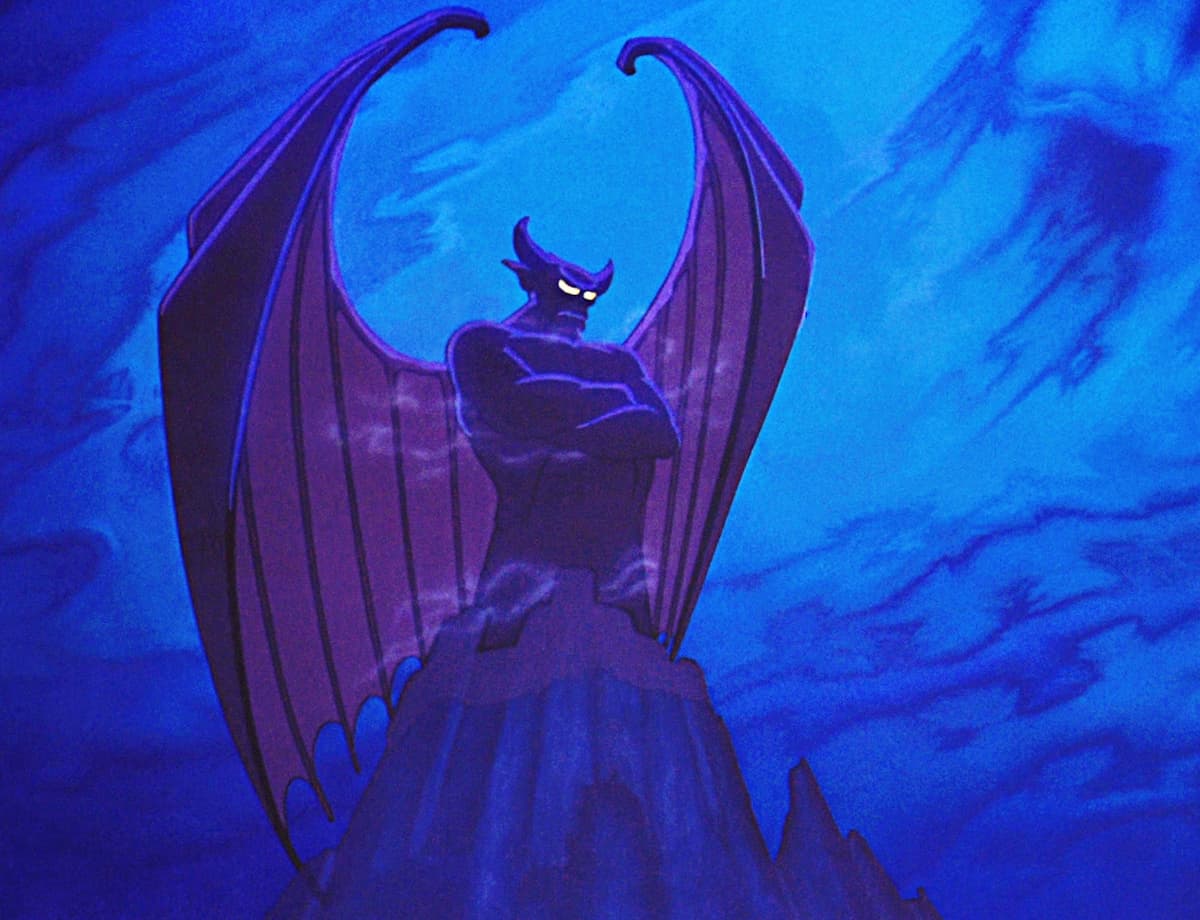
Fantasia: Night on Balk Mountain, 1940
Although Mussorgsky’s half-finished original version was never performed in his lifetime, Rimsky-Korsakov‘s famous orchestration transformed it into the definitive piece of dark, supernatural night music.
Today, it’s a staple of Halloween concerts and spooky classical “night” playlists.
Augusta Holmès – La Nuit et l’Amour (1888)
Augusta Holmès was one of the most successful women composers of her lifetime.
Her orchestral interlude “La Nuit et l’Amour” (“Night and Love”) is one of the most sensual 19th-century examples of music inspired by the night.
Originally part of her symphonic poem Ludus pro Patria, it eventually became a stand-alone concert work.
Here, Holmès paints night as a world of romance and shimmering moonlight. Her radiant orchestration and Wagnerian harmonies create a transportingly lush evening landscape.
Arnold Schoenberg – Verklärte Nacht (1899)
Schoenberg‘s Verklärte Nacht (Transfigured Night) is one of the great achievements of late-Romantic night music.
Inspired by a poem by Richard Dehmel, the piece’s story takes place in a moonlit forest, where a woman confesses to her lover that she is carrying another man’s child.
The stillness of that night – the shadows, the quiet, the sense of suspended time – is crucial to the emotional arc of the piece.
This is Schoenberg before he fully embraced atonality: a lush, tonal world deeply influenced by Brahms and Wagner.
Here, the night becomes a rich setting to explore themes of guilt, forgiveness, and, ultimately, spiritual transformation.
Debussy – Clair de Lune from Suite bergamasque (1905)
Debussy‘s “Clair de lune” (“Moonlight”) is one of the most universally recognised pieces of “moonlight music.”
Inspired by Paul Verlaine‘s poem, the piece evokes a dreamy nighttime garden filled with masked dancers, marble statues, and soft fountains, while distant songs play.
Although drafted in the early 1890s, Debussy revised it heavily before publishing it in 1905 as part of his Suite bergamasque.
With its shimmery character and gentle radiance, “Clair de lune” has become synonymous with the quiet beauty of night and remains a cornerstone of classical “midnight” playlists.
Ravel – Gaspard de la nuit (1908)
Ravel’s Gaspard de la nuit (Gaspard of the Night) is one of the most haunting portraits of night in classical music – as well as one of the most technically demanding piano works ever written.
Each movement is based on a nocturnal prose-poem by Aloysius Bertrand:
“Ondine” depicts a seductive water spirit singing to a mortal at night
“Le Gibet” portrays a corpse hanging at dusk as a bell tolls endlessly
“Scarbo” unleashes a terrifying goblin who appears and disappears in the dark.
For Ravel, night is a time of hallucination and horror – as well as surreal beauty.
Rachmaninoff – All-Night Vigil (1915)
Rachmaninoff’s All-Night Vigil (also known as Vespers) is one of the great sacred achievements of nighttime choral music.
The work sets Orthodox prayers that are traditionally sung from dusk until dawn, blending ancient chants with Rachmaninoff’s original melodies.
Composed during World War I, the Vigil radiates spiritual depth, mystery, and reverence within darkness.
Three years later, after the Russian Revolution, the Moscow Synodal Choir that premiered the Vigil was replaced by a non-religious “People’s Choir Academy.”
This work ultimately served as a haunting finale to that particular tradition of sacred music.
Florence Price – Night (1946)
Florence Price‘s “Night” is a work for piano and singer filled with tenderness and quiet introspection.
Its lyrics, featuring words by Louise C. Wallace, describe night as a tender “Madonna clad in scented blue,” who arrives to check on a sleeping child, the personification of “the wearied Day.”
Warm, lyrical lines and a gently rocking piano accompaniment come together to create one of the most peaceful examples of American night-themed classical music in the repertoire.
Rather than portraying darkness as eerie or dramatic or something to fear, Price depicts night as a time of calm, clarity, and caretaking.
Kaija Saariaho – Nuits, adieux (1991)
Kaija Saariaho’s “Nuits, adieux” (“Nights, Farewells”) is a ghostly-sounding piece of contemporary night music.
Written for a cappella choir, the work uses whispery textures and harmonies, as well as delicately judged vocal colours, to convey the emotional distance that nighttime can evoke.
Its striking soundscape does a stunning job capturing the mysterious, occasionally unsettling quality of the darkest hours before dawn.
Famous Night Pieces (Not Exactly About Night)
Strictly speaking, these three pieces are not literally about night. But no article on classical music about the night feels quite complete without them.
Here are our bonus pieces of classical music associated with the night.
Beethoven – Moonlight Sonata (1801)
The famous nickname “Moonlight Sonata” given to Beethoven‘s fourteenth piano sonata did not actually come from Beethoven.
A later critic compared the first movement to moonlight over Lake Lucerne, and the nickname and association stuck.
Over the years, the hushed intensity of its muted, obsessively repeating triplets has made it one of the most iconic night-related pieces of classical music.
Debussy – Nocturnes (1892–99)
Debussy’s orchestral Nocturnes may not be nocturnes in the official historical Chopinesque sense. But they do explore moods reminiscent of evening and twilight.
The Nuages movement drifts like clouds across a fading sky, while the Sirènes movement shimmers with women’s voices calling across a moonlit sea.
Mahler – Symphony No. 7, Song of the Night (1904–1905)
Mahler never officially gave the symphony its nocturnal subtitle, but two movements are labeled Nachtmusik, and the entire work seems to inhabit a surreal nighttime landscape.
The Seventh moves through shadows and strange nocturnal marches before breaking into daylight during the triumphant finale.
It is one of the most expansive explorations of night in symphonic music.
Conclusion
Portraying the night in sound has always been one of classical music’s most intriguing and irresistible challenges.
Whether it’s the festive evening glow of Mozart, the seductive moonlit shimmer of Debussy, the eerie folklore of Mussorgsky, or the sacred stillness of Rachmaninoff, all of these works prove just how many ways darkness can inspire musical creativity.
These pieces offer a wide-ranging introduction to classical music about night, making them ideal for evening listening, moonlit playlists, or anyone craving atmospheric music inspired by darkness. Across centuries and styles, night has offered composers a space where emotion can deepen, time can slow, and one’s imagination can wander freely.
For more of the best in classical music, sign up for our E-Newsletter