
One of the most prolific Italian composers in the second quarter of the 19th Century, Gaetano Donizetti’s (1797-1848) reputation invariably stands or falls with his 70 works for the operatic stage. Robert Schumann spitefully called Donizetti “a composer of music
In essence

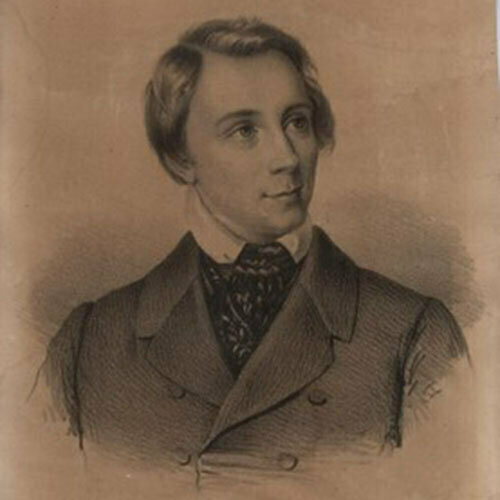
He was one of the greatest performing artists of the 19th century! Ole Bull (1810-1880) was a child prodigy, and he gave his public debut as a soloist at age 9. Although intending to study theology and/or law, he decided
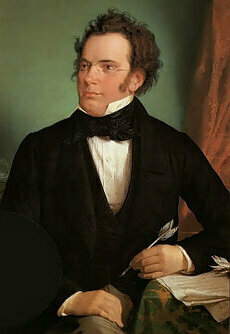
In the month before his friend Ferdinand Walcher quit Vienna for a posting in Venice, Schubert had been a torchbearer at Beethoven’s funeral. The death of his greatest inspiration, whom he had only been able to meet days before Beethoven’s
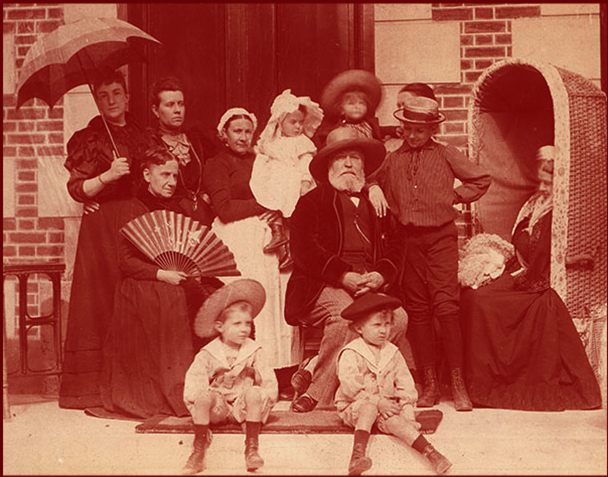
Pierre-Joseph Zimmerman was well established on the Parisian musical scene as a retired Conservatoire piano professor with many accomplished students to his credit. Together with his beautiful wife Hortense and their four daughters, the family entertained a lively salon that
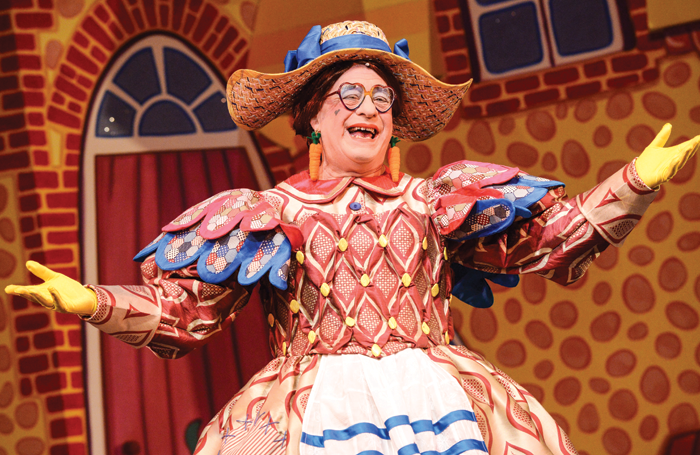
We looked last time at the role women could play in taking over voice types that don’t exist anymore – with the demise of the castrato and the changing taste in opera, women had more opportunities on the stage. However,
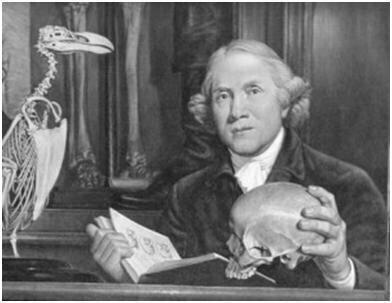
When Joseph Haydn arrived in England in January 1791, he found lodgings with the impresario Salomon in Great Pulteney Street, opposite the pianoforte shop of John Broadwood. At that time, Haydn was the most famous composer in Europe, and London
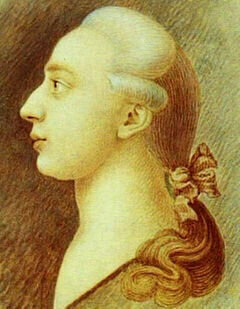
Giacomo Casanova (1725-1798) is still known to this day for his ‘complicated and elaborate affairs with women’ – not bad for someone nearly 300 years old. He ran in the highest social circles in Europe, and in addition to the
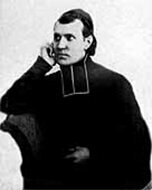
The historiography of music primarily remembers Charles Gounod as the composer of Faust, Mireille and Roméo et Juliette. However, in his 12 total works for the operatic stage Gounod engages with the entire range of operatic types available in the