
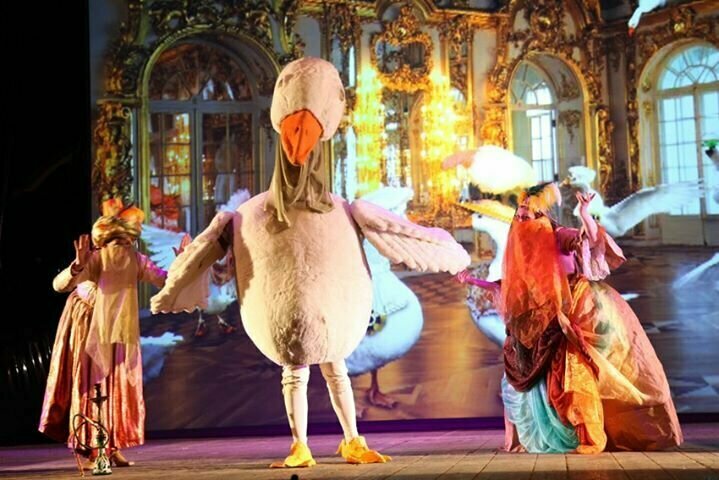
Wolfgang Amadeus Mozart scored a resounding triumph with The Abduction from the Seraglio in 1782. Impatient to write for the stage again he made two abortive attempts at opera buffa. Initially, Mozart requested a libretto from the Salzburg court chaplain
In essence
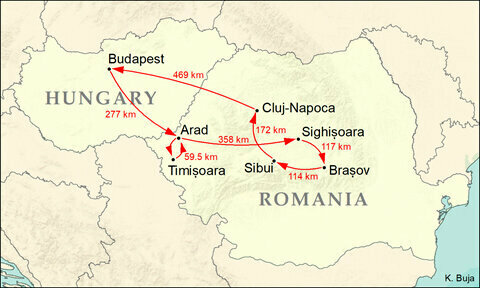
After their mountainous trip of over 760 km between Arad, Sighişoara, Braşov, and Sibui, Brahms and Joachim closed the tour in Cluj (now Clug-Napoca). Their final concert, in Cluj, was an outstanding success. Their arrival was attended by a distinguished
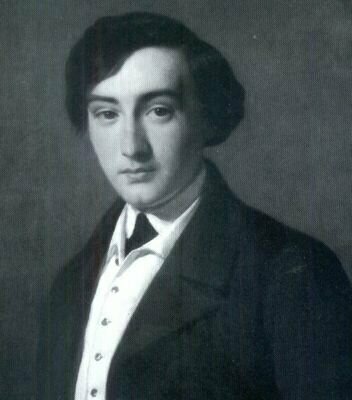
The most prestigious artistic scholarship in France, the “Prix de Rome,” was created in 1663. It originally was awarded in painting, sculpting and architecture, with music and engraving added in 1803 and 1804, respectively. The fortunate recipients, selected via a
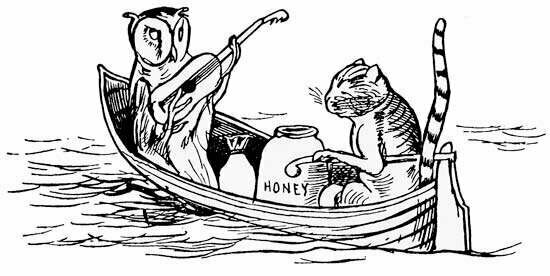
How do different composers approach the same text? In a recent review of a new biography of the poet and landscape artist Edward Lear, there was extensive discussion of the great love story Lear put into poetry. In its extensive
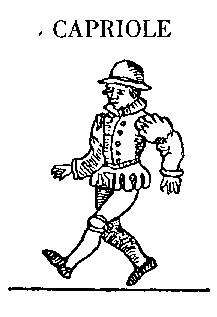
In 1589, the French cleric Jehan Tabourot published a manual in the form of a dialogue between himself (in the guise of Thoinot Arbeau, an anagram of his real name) and a lawyer named Capriol. Capriol wanted to learn to
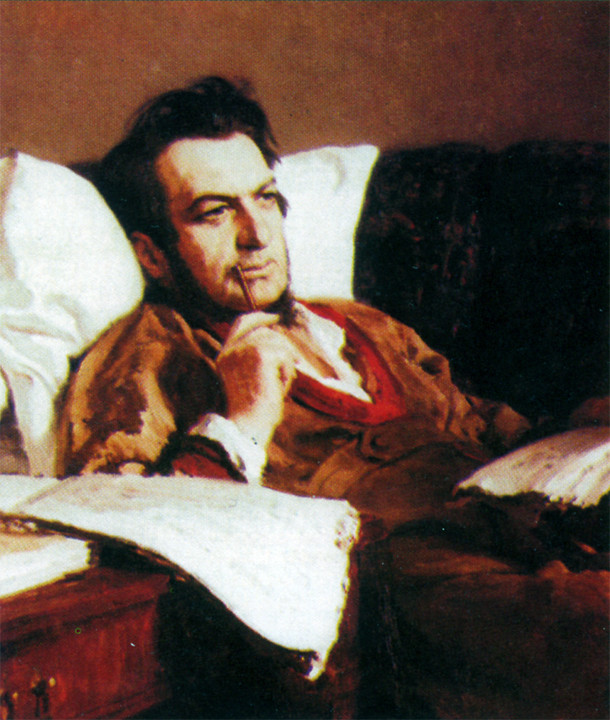
Mikhail Glinka (1804-1857), often called the “Father of Russian music,” was a bit of a delicate flower. Because his older brother had died in infancy, his grandmother lavished great care on his physical wellbeing. Glinka remembers, “Soon after my birth
In their September 1879 trip, Johannes Brahms, pianist, and Joseph Joachim, violinist, ventured into what was, to them, the furthest corners of civilization for these two Viennese-based musicians. The first part of their trip, Budapest to Arad to Timişoara covered
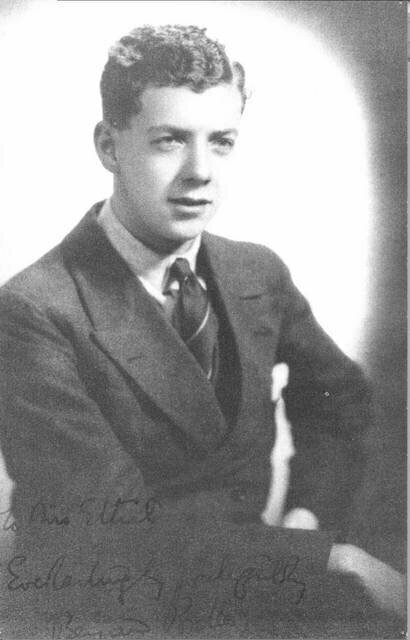
Benjamin Britten (1913-1976) started composing as a child and, unlike most children, kept careful track of his writings. His early works are the expected piano pieces and songs but also chamber and orchestral attempts. His first major work took those