
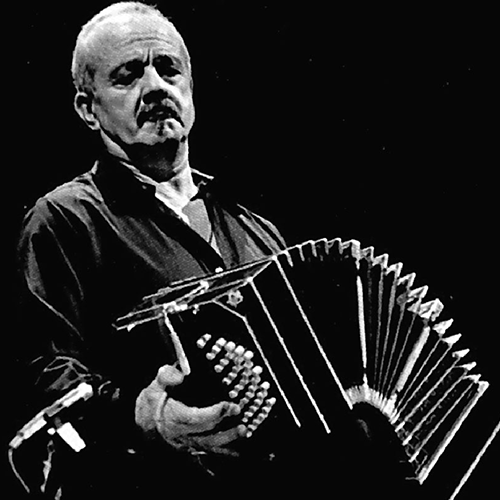
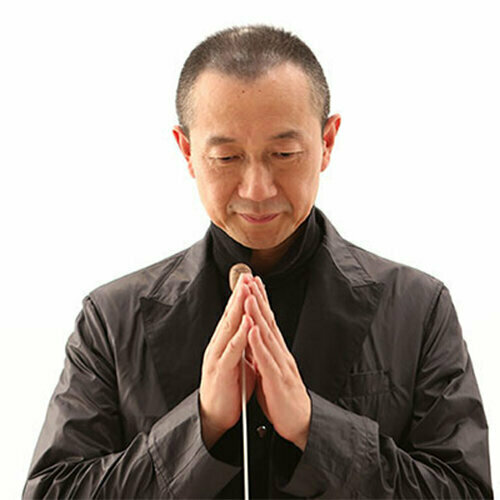
In the last article in this series, we looked at how Tan Dun turned to his roots for inspiration when composing his first composition. In the same manner – though around four decades earlier – the Argentinean composer Astor Piazzolla
In essence
Music is a universal language. It is a powerful tool for communication that withstands language barriers and generation gaps. It transverses time, and it unites and brings hope to people regardless of their race and religion.1 Music is also a
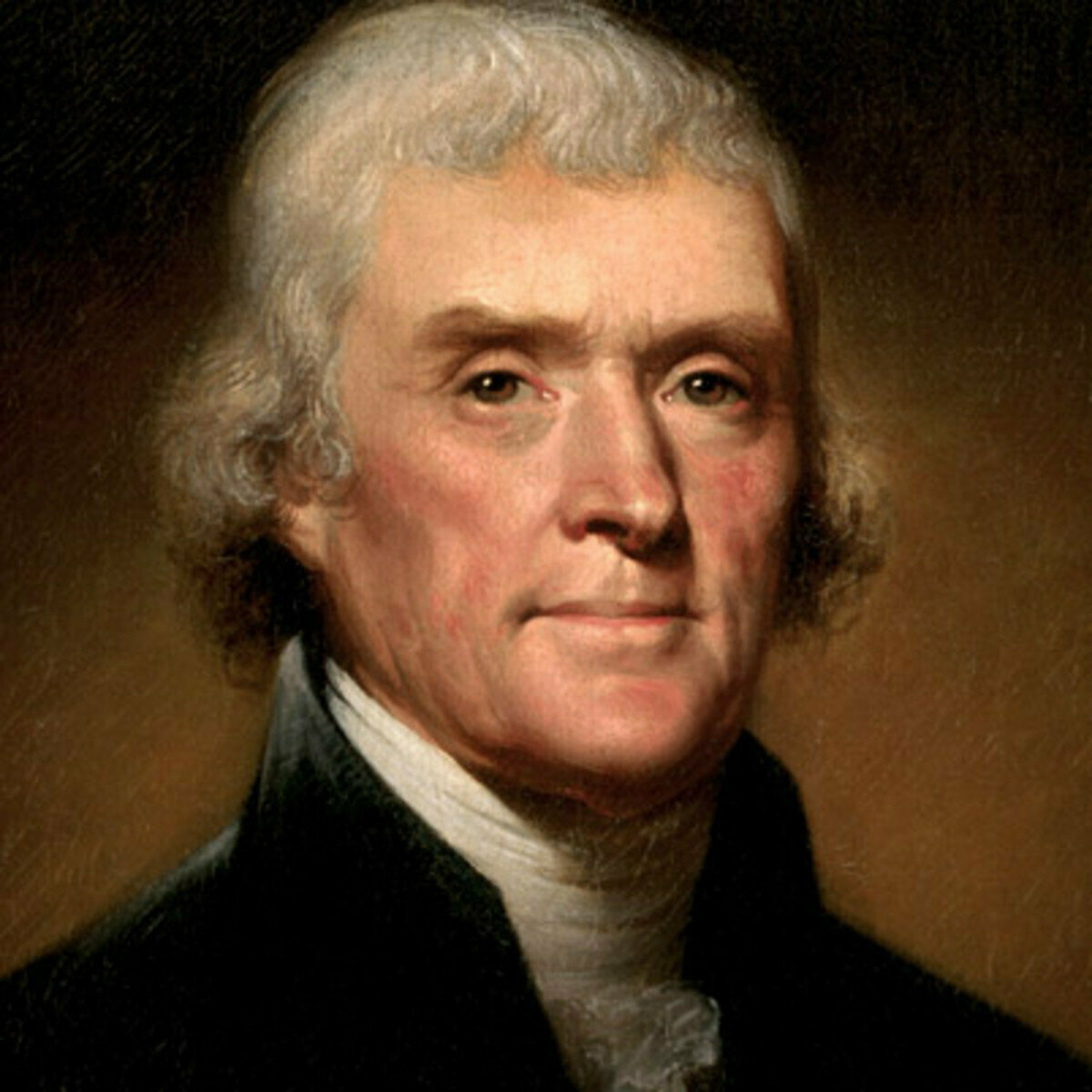
Thomas Jefferson (1743-1826) was the principal author of the Declaration of Independence, and he later served as the 3rd president of the United States. However, he was not only a politician but also a planter, lawyer, and architect with wide-ranging
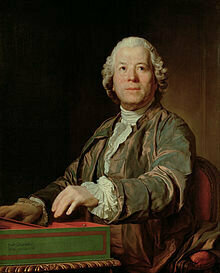
Christoph Willibald Gluck was a true visionary! Working at the Habsburg court in Vienna and at the Parisian stage, he completely reformed operatic traditions. Basically, he was sick and tired of singers dominating the operatic stage. Vocal acrobatics were the
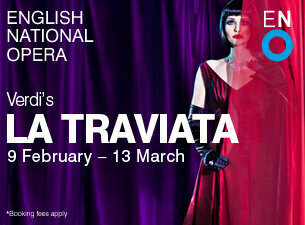
We are so used to the sound of opera aria sung in their native language that when we run across translated versions, we’re often stopped in our tracks. English National Opera in London is (in)famous for its presentation of all
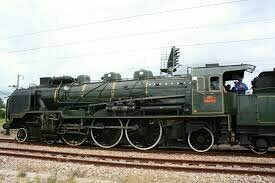
Swiss composer Arthur Honegger wrote three ‘symphonic movements,’ as he called them. The first, Pacific 231, written in 1923, brought the world of a great train to the concert stage.
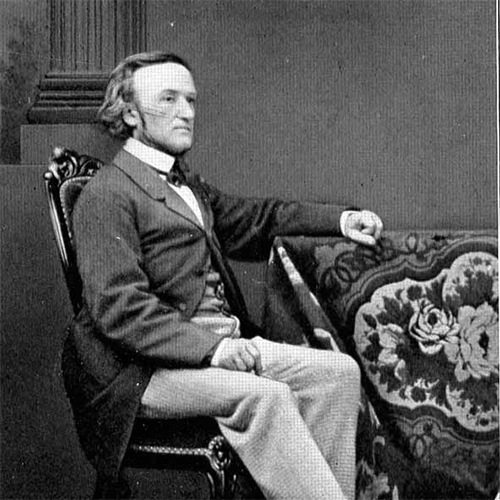
Richard Wagner (1813-1883) was the manliest man in a manly world of manly composers! Creator of theatrical and musical dramas lasting the better part of eternity, his works are perpetually in danger of drowning in gigantic puddles of testosterone. As
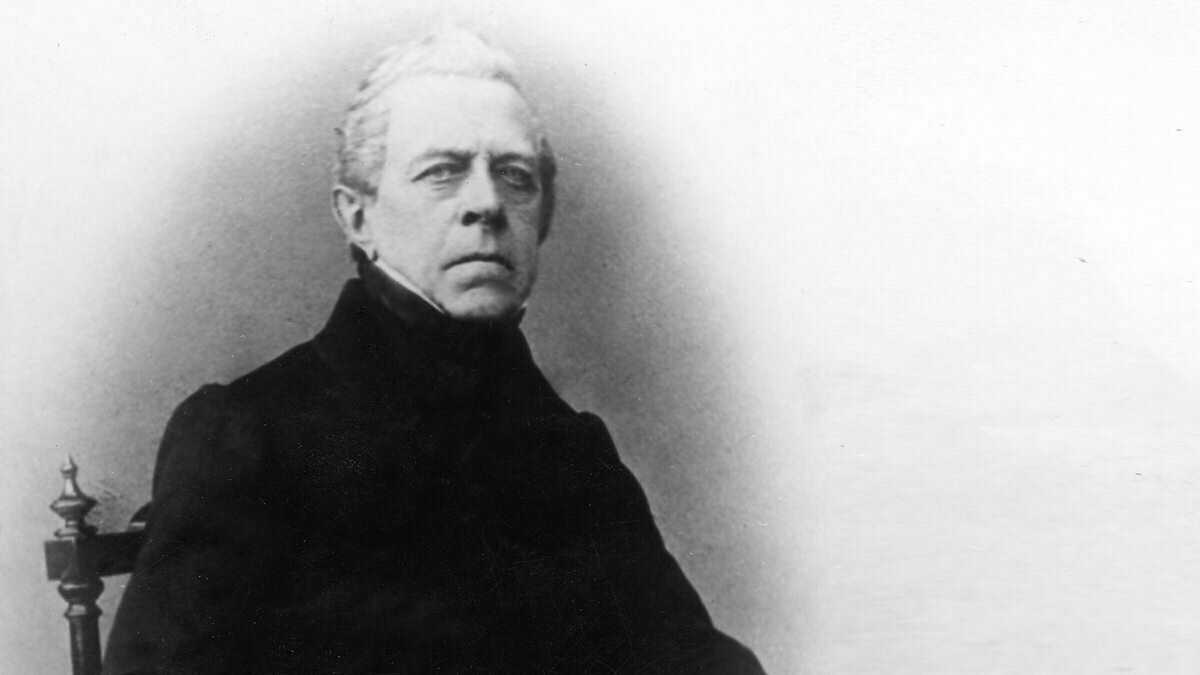
Franz Berwald just couldn’t wait to leave provincial Stockholm behind. With a number of compositions in his back pocket, he departed for Berlin in 1829 to follow his musical calling. He had some distant relatives in that city, and alongside