
Franz Schubert died in November 1828 at the age of thirty-one. He left behind an extraordinary circle of friends: poets, singers, publishers, pianists, and fellow composers who gathered around him in Vienna’s coffeehouses, salons, and intimate gatherings known as Schubertiades.
Schubert
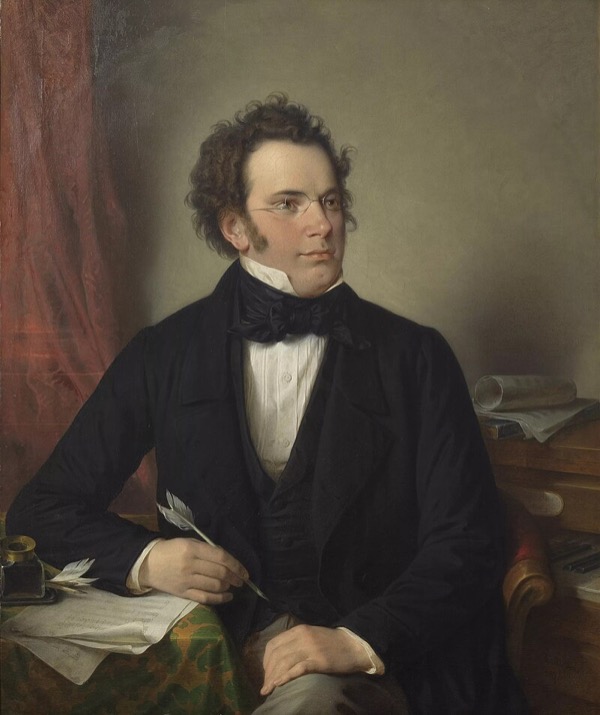
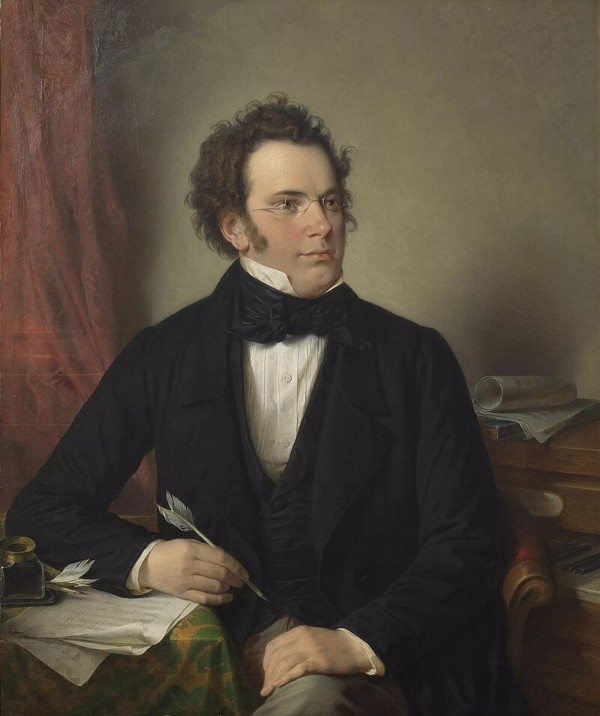
Franz Schubert (1797–1828) had a musical skill that was recognised when he was just a child and, with the sponsorship of Antonio Salieri, was sent off to the imperial-royal municipal seminary at age 9 for musical training and performance. He
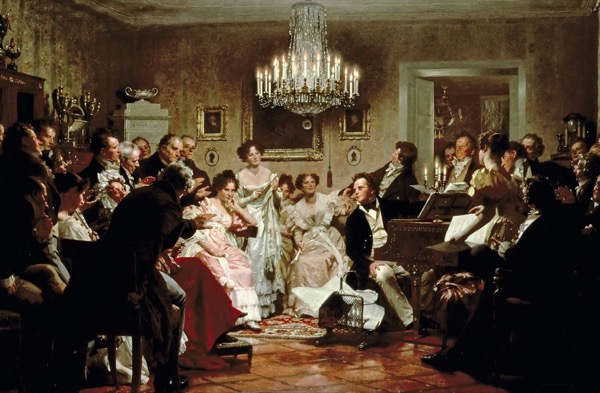
In November 1828, composer Franz Schubert died in his brother’s house, unmarried. The fact is somewhat ironic. He is widely acknowledged to be one of the most emotionally expressive composers of his generation. He helped invent the Romantic-era art song,
Few works in the orchestral repertoire have had a stranger journey to the concert hall than Franz Schubert’s Symphony No. 9 in C major, often nicknamed the “Great” C-major Symphony. For one, it started with composer Robert Schumann rediscovering the
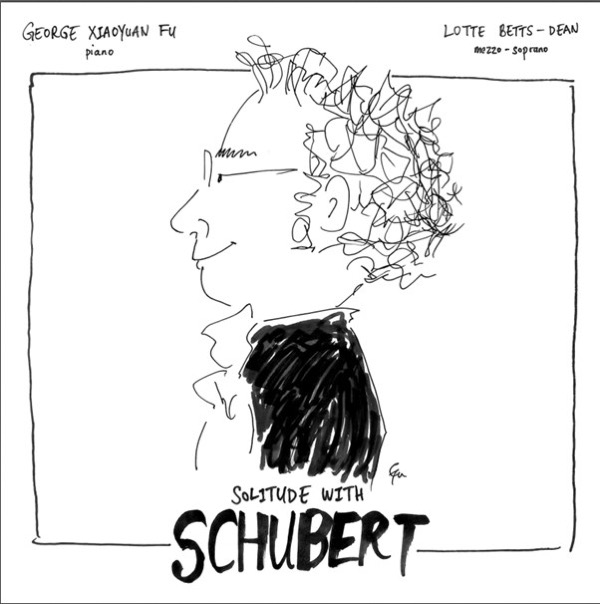
Rising young American pianist George Xiaoyuan Fu releases his third album, Solitude with Schubert, in the form of an evening of Franz Schubert (1797–1828). Just as in Schubert’s time, when the eponymous ‘Schubertiade’ hosted by the composer for his friends
Depending on your sources, Franz Schubert (1797–1828) has his final symphony, The Great, D. 944, variously numbered as Symphony No. 7 or Symphony No. 8 or Symphony No. 9 or Symphony No. 10. We now know, through style and paper

French pianist Michel Dalberto, winner of the Clara Haskil Prize and the First Prize in the Leeds International Piano Competition, selected the music of Franz Schubert for his first commercial recording. His recording of two piano sonatas by Franz Schubert
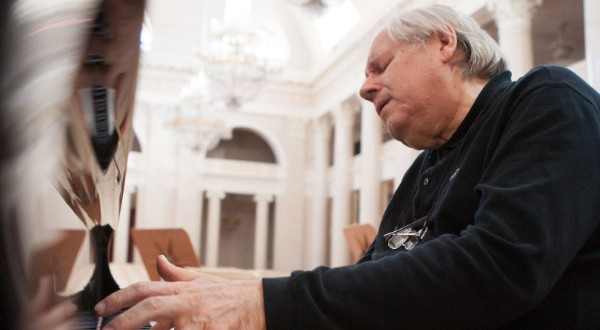
In Frankfurt, Grigory Sokolov’s Schubert D960 did not sound like a work looking back. It sounded like a work leaving. That distinction matters. Many performances of Schubert’s last B-flat major sonata are shaped by memory: they invite the listener into