What are the best-selling classical music recordings of all time?
It’s hard to say. The Billboard charts didn’t start reliably measuring the number of albums sold until the 1950s, and people’s varying definitions of what “classical music” means in an era of crossover can impact which recordings appear on which lists.
But over the past century, a small handful of albums have done what classical releases almost never do: break into the mainstream, climb pop charts, and sell in the millions.
Today, we’re looking at some of the most striking examples of this phenomenon. Sales figures are drawn from a mix of certifications, chart records, and contemporary reporting, with historical context taken into account.
Enrico Caruso’s recording of “Vesti la giubba” from Leoncavallo’s I Pagliacci (1902)
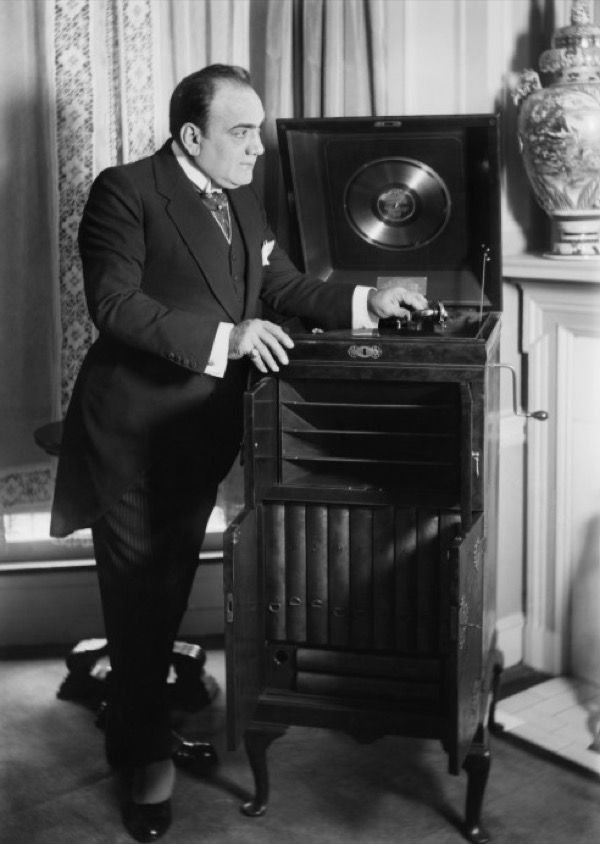
Enrico Caruso
This recording was made in November 1902 and became the first record – classical or pop – to ever sell over a million copies in the era of shellac 78-rpm discs. It was an astonishing achievement, given the novelty of records at the time.
The aria gives voice to the tragic clown Canio, who has just discovered his wife’s infidelity, yet acknowledges that the show must go on.
Van Cliburn’s recording of the Tchaikovsky Piano Concerto (1958)
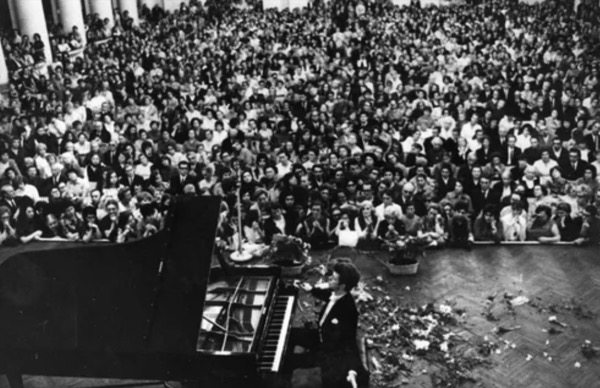
Van Cliburn
In 1958, Texan pianist Van Cliburn enrolled in the first International Tchaikovsky Competition, held in Moscow. The competition’s goals included asserting Soviet international dominance in arts and culture.
At the time, the Cold War was at its height, and it seemed foolish for an American to enter the competition and have any expectation of winning.
But after Cliburn’s performance of Tchaikovsky’s first concerto and Rachmaninoff‘s third concerto, the audience was enraptured. An eight-minute standing ovation followed his performance.
The judges asked Nikita Khrushchev if it was permissible to grant the award to an American. “Is he the best?” he asked. They asserted he was. “Then give him the prize.”
When Cliburn returned to New York, he was greeted as a cultural Cold War hero.
His RCA Victor recording of the Tchaikovsky concerto shot to the top of the Billboard charts during August and September 1958: an almost unheard-of feat for a full-length classical concerto LP.
It remained popular for decades, going platinum (selling one million copies) in 1989. It has since gone multi-platinum (meaning that millions of copies have been sold).
Switched-On Bach by Wendy Carlos (1968)
Leonard Bernstein Demonstrating the Moog Synthesiser
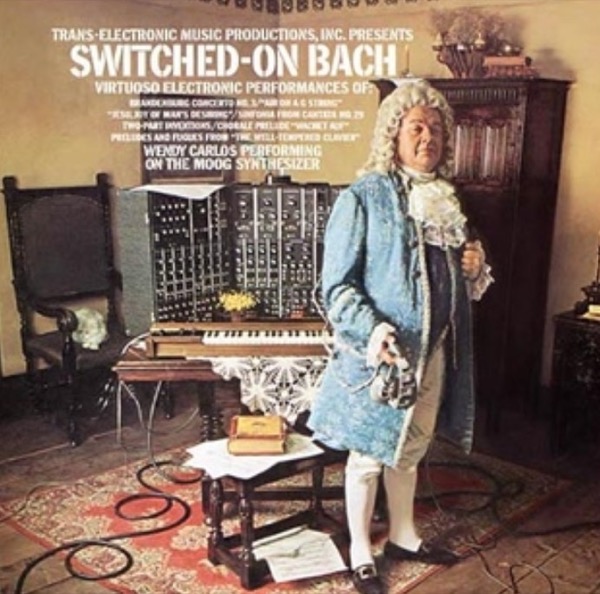
Switched-On Bach by Wendy Carlos (1968)
In 1962, composer Wendy Carlos moved to New York City to study composition at Columbia University. She was fascinated by the emerging field of electronic music and assisted in developing the Moog synthesiser.
In 1967, she began working on the album that would become known as Switched-On Bach.
She took Bach scores that were in the public domain and performed them on the synthesiser. The resulting album was groundbreaking in its production.
Switched-On Bach was released on the Columbia Records label and made a major splash with its futuristic vision of Bach’s music. It even won the 1970 Grammy Award for Best Classical Album, a striking endorsement of electronic music by the musical establishment.
In June of 1974, it was certified that this album had sold over one million copies.
Hooked on Classics (1981)
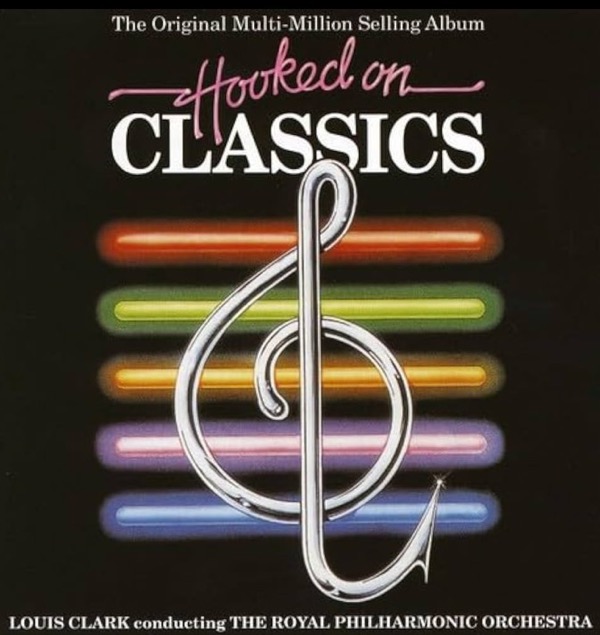
Hooked on Classics (1981)
A surprise blockbuster that set famous classical melodies to a disco beat, this album from the Royal Philharmonic Orchestra (RPO) and conductor Louis Clark peaked at #4 on the Billboard 200.
This unlikely combination became the biggest classical sales sensation of the 1980s, proving that mashups of Beethoven, Tchaikovsky, and Mozart with pop rhythms could find a mass audience.
Sequels followed, and their huge sales (the series eventually sold over 15 million copies worldwide) helped secure the RPO’s finances, and foreshadowed future classical crossover trends.
Vivaldi’s The Four Seasons by Nigel Kennedy (1989)
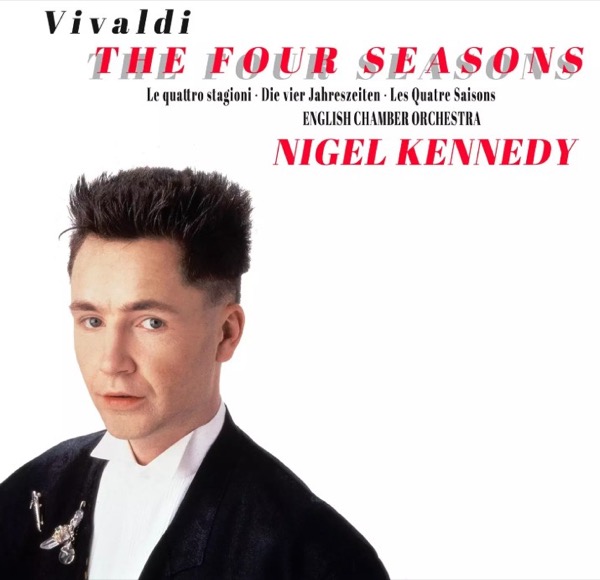
Nigel Kennedy
This violin recording of Vivaldi‘s Baroque Era masterpiece The Four Seasons became an unlikely chart-topping hit in the late 1980s.
Kennedy’s punkish persona – with his leather jackets, cropped hair, and blunt media presence – broke sharply with the prevailing image of the conservative classical soloist dressed in a tux.
The album sold over 3 million copies worldwide, entering the Guinness Book of Records as the best-selling classical recording ever at the time.
The album spent a year atop UK classical charts, and its success marked a turning point in popularising classical solo instrumental albums.
Carreras, Domingo, Pavarotti – In Concert, later released as The Three Tenors (1990)
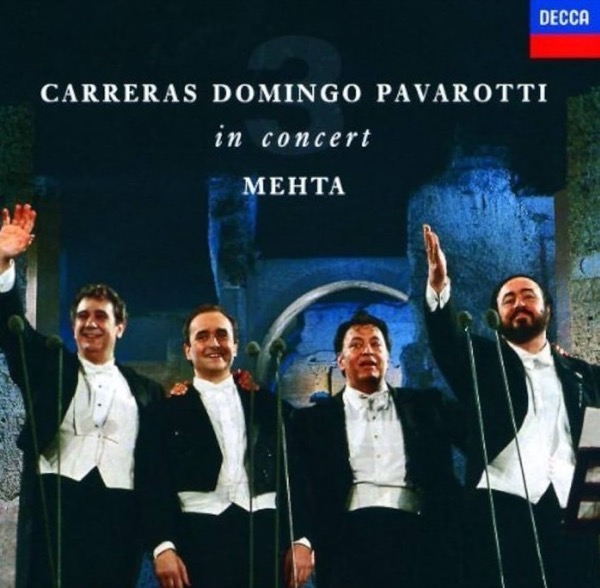
Carreras, Domingo and Pavarotti — The Three Tenors
Recorded live at the Baths of Caracalla in Rome on the eve of the 1990 World Cup, this album featuring José Carreras, Plácido Domingo, and Luciano Pavarotti ultimately became the best-selling classical album in history, selling over fifteen million copies: a feat that no single classical album has achieved since.
The Three Tenors’ crossover appeal turned opera arias like “Nessun Dorma” into stadium anthems and propelled each of the tenors’ careers into the stratosphere.
This concert’s immense popularity is often cited as a turning point in the commercialisation of classical music, melding opera and pop culture in a way that made record executives take notice.
Henryk Górecki – Symphony No. 3: Symphony of Sorrowful Songs (1992)
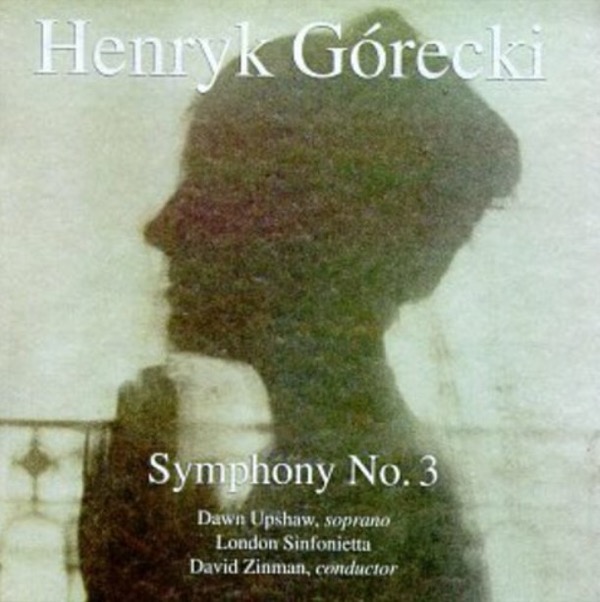
Henryk Górecki
Henryk Mikołaj Górecki: Symphony No. 3, Op. 36, “Symfonia piesni zalosnych” (Symphony of Sorrowful Songs) (Dawn Upshaw, soprano; London Sinfonietta; David Zinman, cond.)
This performance by the London Sinfonietta and conductor David Zinman, featuring soprano Dawn Upshaw, is a rare example of a contemporary classical composition becoming a mass-market hit.
This haunting Polish symphony, focused on themes of war and loss, unexpectedly sold over one million copies on the Elektra-Nonesuch label.
It reached No. 1 on classical charts (and even broke into mainstream charts) in the mid-1990s.
Górecki’s work, largely unknown before, became a cultural phenomenon, showing that modern classical music could resonate with a broad audience and achieve blockbuster sales far beyond any marketer’s imagination.
This album also signalled a turn. By the early 1990s, something had shifted: classical bestsellers were no longer defined primarily by virtuosity or novelty, like Switched-On Bach or Hooked on Classics, but by their emotional and spiritual resonance.
Chant by the Benedictine Monks of Santo Domingo de Silos (1994)
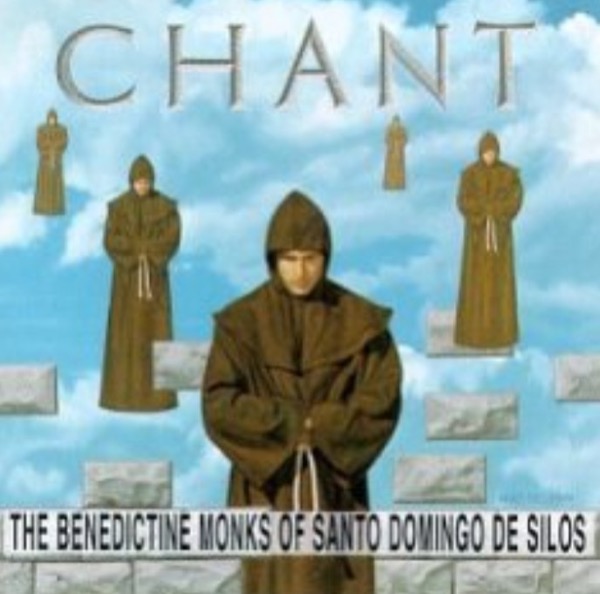
Chant by the Benedictine Monks of Santo Domingo de Silos (1994)
Marketed as a meditative antidote to ’90s pop, Chant shot to #3 on the Billboard 200 and held the #1 classical spot for over two years.
It eventually sold about 6 million copies worldwide, making it the best-selling Gregorian chant album ever.
The album’s unexpected success sparked a mid-’90s “chant craze,” bringing medieval sacred music into the popular consciousness of audiences from the late twentieth century.
Its impact was such that Time magazine noted it “grossed more than $50 million for EMI” while inspiring sequels and imitators.
Chant highlighted the public’s appetite for spiritual and choral music and proved that even liturgical chants could top charts and achieve pop-culture status.
Titanic: Music from the Motion Picture by James Horner (1997)
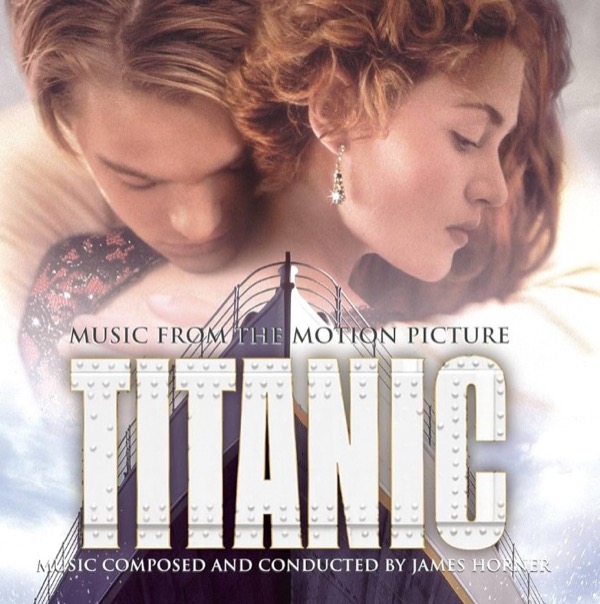
Titanic: Music from the Motion Picture by James Horner (1997)
James Horner: Titanic (Music from the Motion Picture Soundtrack) (London Symphony Orchestra; James Horner, cond.)
The soundtrack to director James Cameron’s film Titanic became the best-selling primarily instrumental film score in history. Although it’s not classical music in the strictest sense, it is certainly orchestral music.
Fueled by the movie’s success and the hit song “My Heart Will Go On,” the album topped charts in 20 countries.
Within a year of its release, it had sold over 25 million copies worldwide, an astonishing figure for a symphonic score.
This album’s success contributed to the blurring of the line between classical and popular music markets and demonstrated that cinematic symphonic music could dominate mainstream charts.
Voice of an Angel by Charlotte Church (1998)
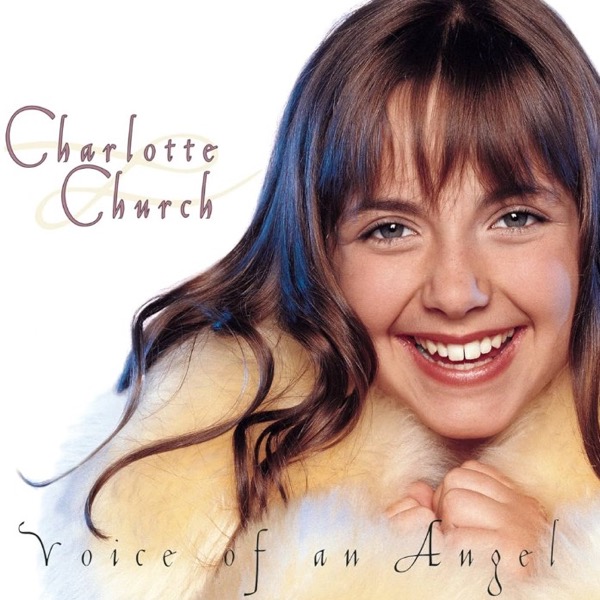
Charlotte Church: Voice of an Angel
The debut of 12-year-old Welsh soprano Charlotte Church became an international sensation in the late 1990s, selling nearly 3 million copies worldwide.
Featuring arias and sacred songs delivered in a pure treble voice, the album made Church the youngest artist ever to top the UK classical charts.
This recording’s popularity demonstrated the commercial viability of classical albums by very young artists, and also helped popularise vocal classical music on talk shows and other pop culture outlets.
Church’s success, especially when paired with the success of peers like Sarah Brightman and Andrea Bocelli, underlined the huge late-1990s demand for classical crossover vocal performance.
Sacred Arias by Andrea Bocelli (1999)
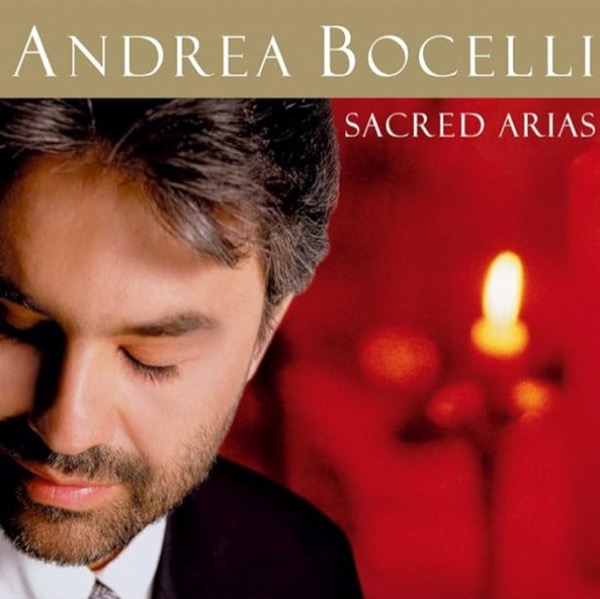
Andrea Bocelli: Sacred Arias
Sacred Arias, a collection of sacred music and classical arias (including Schubert‘s “Ave Maria” and Franck‘s “Panis Angelicus”), sold over five million copies worldwide, making it the best-selling classical album ever by a solo artist, according to Guinness World Records.
The album’s crossover appeal – a pop-operatic tenor singing beloved religious pieces – struck gold during the holiday season and beyond.
Sacred Arias solidified Bocelli’s crossover dominance, while also suggesting that core classical repertoire (excerpts from masses, oratorios, etc.) could achieve blockbuster sales in the modern era, as long as they were packaged as individual pieces and performed by stars.
Il Divo (2004)
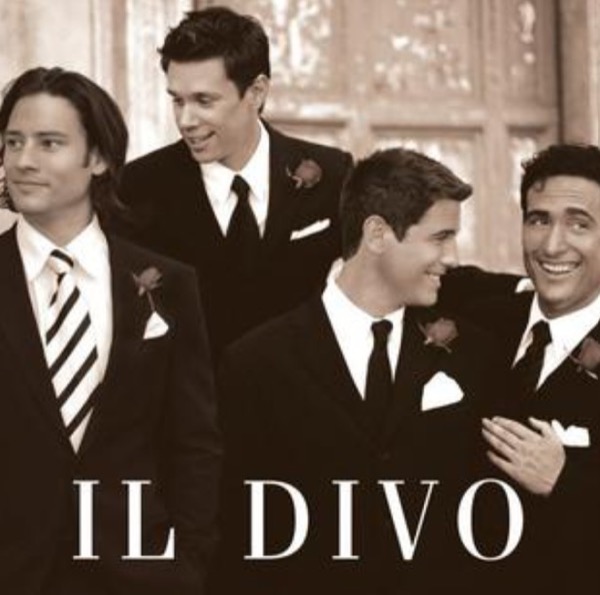
Il Divo
The self-titled debut by the multinational tenor/baritone quartet (assembled by American Idol judge Simon Cowell) was a 21st-century crossover triumph.
Blending pop hits and opera, the album topped charts (No. 1 in the UK and multiple countries) and sold over 3 million copies in its first months.
The quartet’s photogenic, media-savvy presence and worldwide tour success marked a renewal of classical crossover’s commercial power.
This album’s achievement – debuting at No. 4 on the US Billboard 200 (a record high for a UK-signed classical act) – showed that the formula of romantic pop ballads sung in operatic style could conquer both classical and pop charts.
Conclusion
Taken together, these albums map out a hidden commercial history of classical music.
In the early recording era, Caruso’s million-seller proved that opera could thrive in mass media.
Later, during the Cold War LP boom, Van Cliburn showed that a concerto recording could become a national event.
By the late 20th century, when official sales records became more standardised, crossover hit after crossover hit – from Hooked on Classics to the phenomenon of Chant – revealed that listeners were drawn to novelty, accessibility, and emotional experiences.
And then came the era-defining outliers of the 1990s: the Three Tenors turning opera into stadium-scale entertainment, Titanic proving an orchestral score could sell like pop, and Bocelli, Church, and Il Divo translating classical vocal music into global celebrity.
If there’s one lesson behind the best-selling classical recordings of all time, it’s that classical music reaches its widest audience when it meets people where they are and takes listeners out of their everyday lives. These twelve albums and their massive popularity demonstrate how that has been done.
For more of the best in classical music, sign up for our E-Newsletter