Born in Budapest on 30 May 1952, the Hungarian pianist and composer Zoltán Kocsis (1952-2016) studied with Pál Kadosa, Ferenc Rados and György Kurtág at the Liszt Academy of Music in Budapest, obtaining his diploma in 1973.
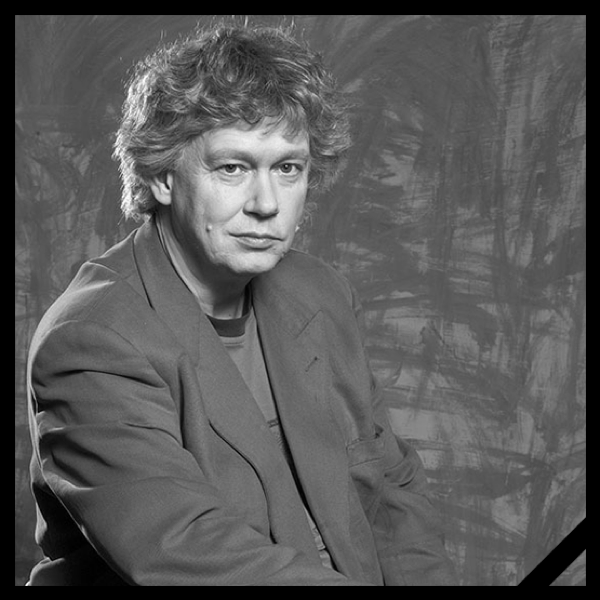
Zoltán Kocsis
He caused a sensation in 1970, when he won the Hungarian Radio Beethoven Competition while still a student. By 1971, he had made his first tour of the USA, and he appeared in London and at the Salzburg and Holland festivals in 1972.
Kocsis achieved international recognition for his idiomatic performances of Bartók‘s complete concertos and solo piano works, and his 1990 recording of the two books of Debussy’s Images earned him the Gramophone Instrumental Award.
Zoltán Kocsis plays Bach: Art of Fugue, “Contrapunctus 2”
A Child Prodigy
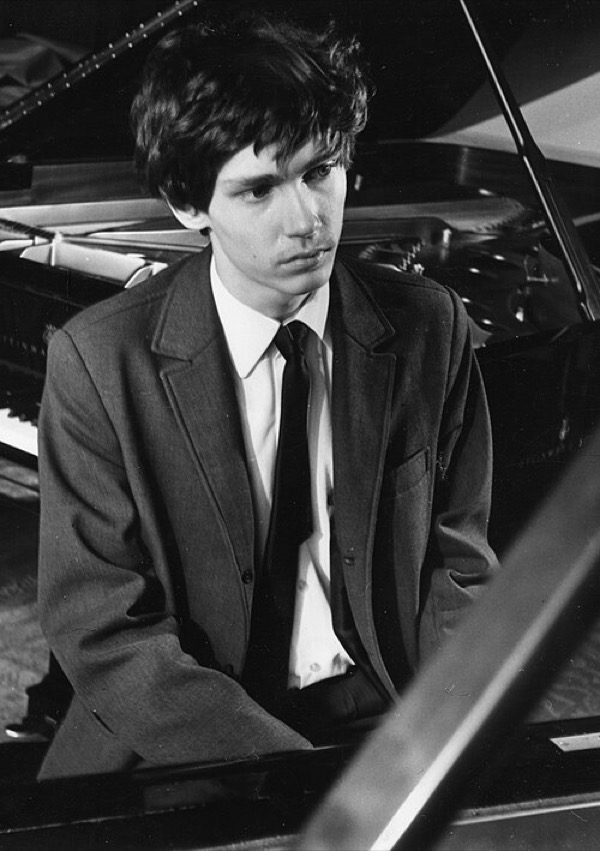
Zoltán Kocsis, 1972
Zoltán’s precocious talent was discovered when he was only three years old. Immediately drawn to the piano, and before receiving instructions of any kind, he would play back everything he heard on the radio.
His first teacher was called Szmrecsányi, with whom he studied for five years. Zoltán always remembered her fondly as the first teacher to successfully explain the importance of technical exercises.

Zoltán Kocsis (Fortepan 87343)
At the age of fourteen, he wanted to stop playing the piano because he realised that he did not have the technical tools to become a virtuoso. A couple of years later, he was ready to quit again because he only had a limited repertoire. He basically withdrew for two years to work on technique and expand his recital programmes.
Claude Debussy: Images, Book 1 (Zoltán Kocsis, piano)
Mentor and Muse
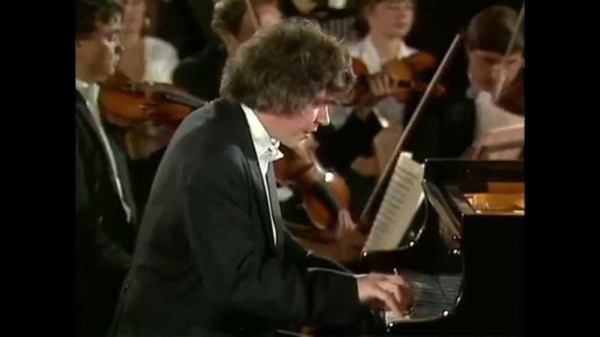
Zoltán Kocsis at the piano
Having had the benefit of good teaching, Kocsis also acknowledged the importance of his relationship with Sviatoslav Richter. Richter never boarded an airplane, so he frequently played in Budapest.
In 1969, Kocsis first heard Richter play live. He called that performance, which included pieces by Schumann, Schubert, and Rachmaninoff, a revelation, because even when Richter didn’t play perfectly on the first attempt, he always made things very interesting.
For Kocsis, Richter offered many dimensions of interpretation, and he finally met him personally in 1974. A year later, Richter invited him to his Festival in Tours, France, and since Pollini had a car accident that year, Kocsis replaced him at that Festival.
Franz Liszt: Années de pèlerinage, 2nd year, Italy supplement, S162/R10: Venezia e Napoli (Zoltán Kocsis, piano)
Collaborating with a Legend
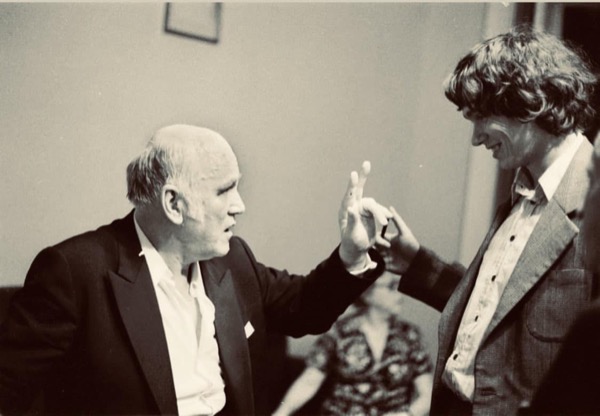
Sviatoslav Richter and Zoltán Kocsis
Kocsis played a wide-ranging recital with works by Bach, Beethoven, Chopin, and Bartók. Apparently, Richter was very enthusiastic, and he invited Kocsis to play four-hand music by Schubert at the next Festival.
They repeated the same programme at the newly founded Schubertiade at Hohenems, and you can listen to that recital below. Kocsis relates an interesting anecdote about a practice session with Richter at Bruno Monsaingeon‘s apartment.
As they were practising for hours, somebody rang the bell and told them to stop because it was Sunday afternoon and she wanted to take a nap. Richter became furious and smashed his spectacles to the floor, shattering the glass into a thousand pieces.
Richter/Kocsis play Schubert for Piano Four Hands (Hohenems 1977)
Triple Legacy
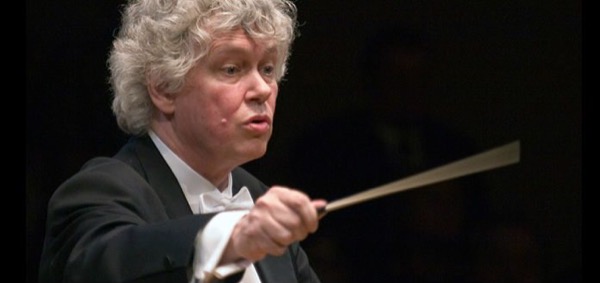
Zoltán Kocsis conducting
In 1983, Kocsis co-founded the Budapest Festival Orchestra with his former schoolmate Iván Fischer. Kocsis played a major role in its early artistic direction, and he quickly turned the ensemble into one of Hungary’s finest and most innovative orchestras. He was appointed Music Director at the Hungarian National Philharmonic Orchestra in 1997 and held this position until his death in 2016.
While secondary to his career as a performer and conductor, Kocsis also composed a number of original works alongside piano transcriptions and arrangements. His most prominent and significant work is titled Memento but commonly referred to as “Chernobyl,” composed in direct response to the 1986 nuclear disaster.
A member of the distinguished troika of Hungarian pianists alongside Dezsö Ránki and András Schiff, Kocsis possessed “an impressive technique, and his forthright, strongly rhythmic playing is nevertheless deeply felt and never mechanical.”
As both a conductor and composer, Kocsis revitalised Hungary’s orchestral landscape, and he responded thoughtfully to the tragedies of his time.
For more of the best in classical music, sign up for our E-Newsletter