The variation form was a great playground for a composer. S/he could show imagination, skill, technical ability, and every clever idea and pose it all as making (sometimes) better music than the original composer.

Yutian Yang
In her debut album, pianist Yutian Yang, winner of the Tchaikovsky International Youth Competition in 2023 at age 15, opens with a nice piece of brilliance by Carl Czerny, who takes a theme by the violinist and composer Pierre Rode, La Ricordanza, from his Air varié for Violin and Piano, Op. 10, and crafts a variation set. The variation set begins with Rode’s simple and graceful work and transforms it. Each variation takes the theme to a ‘different emotional landscape’, combining a skill with melody and Czerny’s expected pianistic brilliance.
In the hands of Yang, the music flows easily, no matter what the demand.
She continues with the music of another piano virtuoso: Frédéric Chopin and his slow-fast combination of Andante spianato et Grande Polonaise brillante, Op. 22. The meditative Andante is given its release by the Grande Polonaise, which begins with an attention-getting fanfare before whirling off into an extroverted and exuberant dance.
Franz Liszt takes on his son-in-law’s music in his transcription of Isolde’s Liebestod. Instead of limiting Isolde’s lament to a single voice, it uses the entire field of the piano to take her mourning cry over Tristan’s dead body and truly give it the transfiguration promised in Wagner‘s writing.
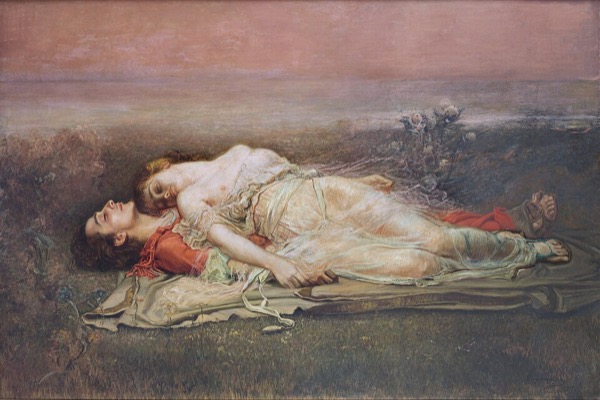
Rogelio de Egusquiza: Tristán e Isolda (Mort) / La mort d’Isolde, 1910 (Bilbao Fine Arts Museum)
Liszt gave us Wagner magnified. Ferruccio Busoni, in his Sonatina No. 6, “Chamber Fantasy on Bizet‘s Carmen“, gives us Bizet fractured. If you didn’t know the subtitle, you’d have a hard time finding Carmen, Escamillo, or Don José in the music immediately. It’s more like a dream memory of the opera, rather than the simple representations of the opera itself. Although not called a variation, it functions as one – your remembrance of the melody is tempered by the visuals of the opera, and so Busoni is able to create an internal memory world that is Bizet-ish but also Busoni-ish. Or is it all a fever dream?
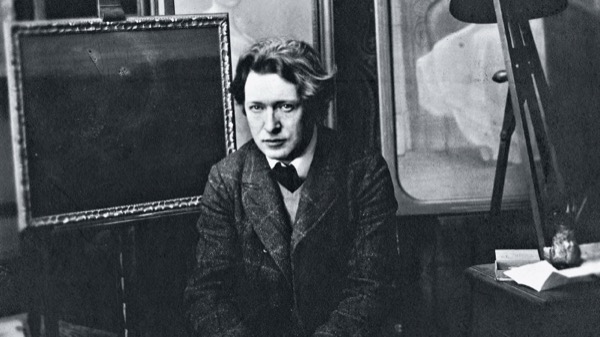
Ferruccio Busoni
Jumping forward to the mid-20th century, we have the composer Vasilije Mokranjac’s Piano Etudes, written in 1951 to 1952, which are the 19th-century idea of the étude carried into post-war modernism.
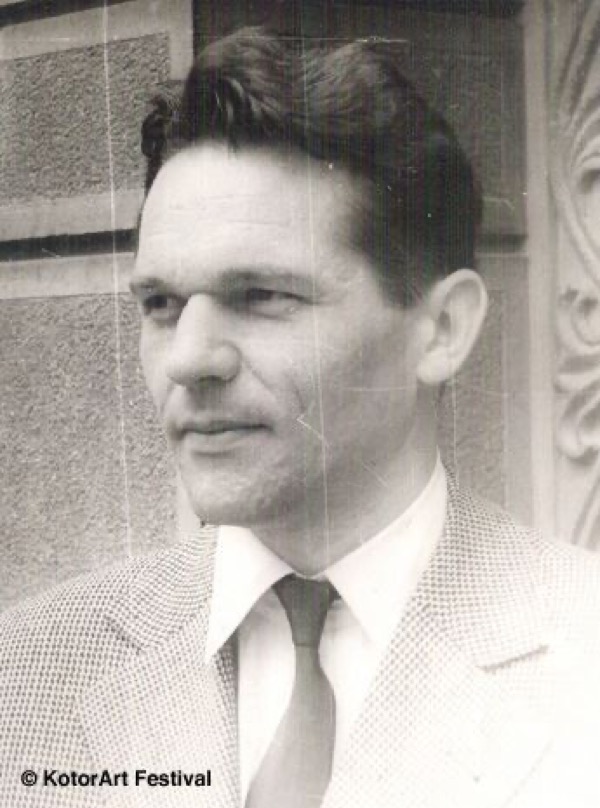
Vasilije Mokranjac
Yang’s debut recording closes with Chinese-American composer Zhou Long’s 1982 work Wu Kui. This is where her brilliance comes to the fore: rhythmic precision and a percussive feel combine with a unique Chinese sound. On the recording, since it follows Mokranjac’s étude on rhythm, it’s a logical extension of the Serbian composer’s study into a demanding and virtuosic work. The five heads of the title come from a traditional Northeast Chinese shamanic folk tradition where hunters dance wearing animal masks of the tiger, leopard, bear, deer, and roe deer.
In this recording, Yang covers some 200 years of music, and in her hands, it’s filled with authority and conviction. Her debut should be considered an outstanding success!

Yutian Yang: Becoming
Azure Sky AZ1024
Release date: 24 April 2026
Official Website
For more of the best in classical music, sign up for our E-Newsletter