Everyone loves a great comeback story, and classical music is full of them.
Some of today’s most beloved symphonies and ballets were disasters at their premieres. Critics have hissed; audiences have walked out; and even fellow musicians have tossed around descriptors like “unplayable,” “vulgar,” or “fit only for Hell.”
It’s a cliched thought, but sometimes great music arrives before its audience is ready to receive it.
Today, we’re looking at six infamous early performances of orchestral works that we still play and celebrate today.
Brahms – Piano Concerto No. 1 (1859)
Johannes Brahms’s First Piano Concerto, which premiered in 1859 and is a modern mainstay of the classical canon, was initially met with hostility and derision.
Brahms was 25 years old when he premiered the work in Hanover under his good friend, violinist and conductor Joseph Joachim. The work was met with a resounding meh.
However, the second performance, given in musically conservative Leipzig on 27 January 1859, was an outright disaster.
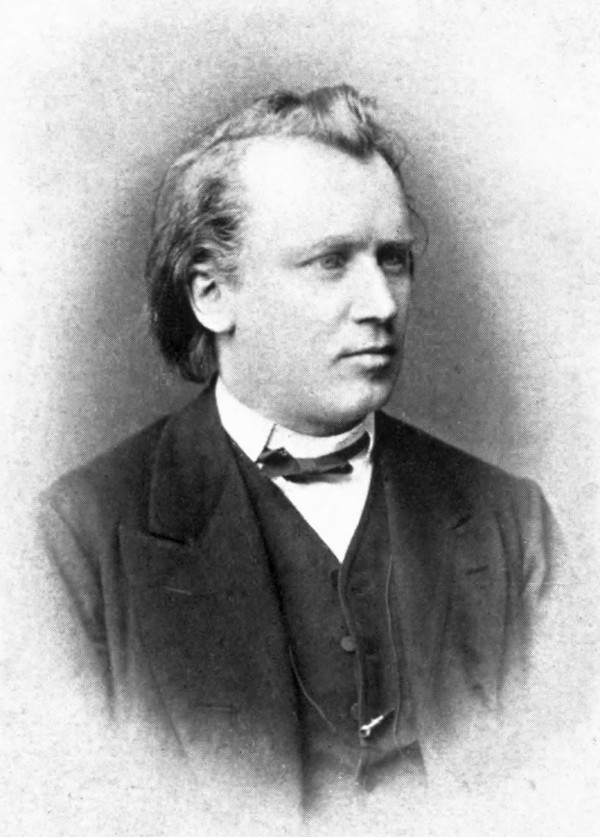
Johannes Brahms, c. 1872
Brahms wrote to Joachim the next day that “my concerto has had here a brilliant and decisive failure.”
In Brahms’s wry telling, the first two movements were received in utter silence, and “at the end three pairs of hands tried slowly to applaud, but the shuffling that came from all sides cut short this demonstration…the spiteful hissing was too much.”
Critics also heaped scorn on the work. One leading Leipzig reviewer bluntly declared:
“This work cannot give pleasure… It has nothing to offer but hopeless desolation and aridity… A desert of the shrillest dissonances and most unpleasant sounds.”
Another critic derided the concerto as “a composition dragged to its grave”, complaining about its length and lack of the outward virtuosity expected in a piano concerto.
These reviews discouraged Brahms. He later admitted he had been “only experimenting and feeling [his] way” in this early opus.
But thankfully, he did not lose heart. He continued to compose; his friends continued to promote his music; and over time, musicians and listeners the world over came to recognise the Brahms D-minor concerto as the early masterpiece it is.
Tchaikovsky – Swan Lake (1877)
Tchaikovsky’s now-beloved ballet Swan Lake was panned at its Moscow premiere on 4 March 1877.
Reviewers complained that Tchaikovsky’s music was far too complex and symphonic for a ballet. One critic dismissed the score as “too noisy, too ‘Wagnerian,’ and too symphonic.”
Another called it “utter hogwash, unimaginative and altogether unmemorable.”
The choreography and dancers came in for criticism, too. Even some of the ballerinas griped that Tchaikovsky’s rich, symphonic music was too difficult to dance to.
The composer was devastated by this reception, describing the performance in letters as a fiasco.
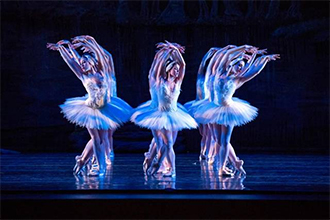
Swan Lake ballet performance
© PortsmouthNH.com
It would take nearly two decades (and a posthumous revised production in 1895 by composer Riccardo Drigo, as authorised by Tchaikovsky’s brother Modest Tchaikovsky) for Swan Lake to be vindicated as the timeless classic it is today.
Learn more about the early history of Swan Lake, and how it found its way into the repertoire.
Bruckner – Symphony No. 3 (1877)
Anton Bruckner’s Third Symphony – dedicated to his musical idol Richard Wagner – had a disastrous premiere in Vienna on 16 December 1877.
Things started going downhill when Johann Herbeck, the intended conductor for the premiere, died unexpectedly less than two months before the concert.
Herbeck had famously premiered Schubert’s Unfinished Symphony, but he died in late October 1877, leaving Bruckner scrambling to figure out what to do next.
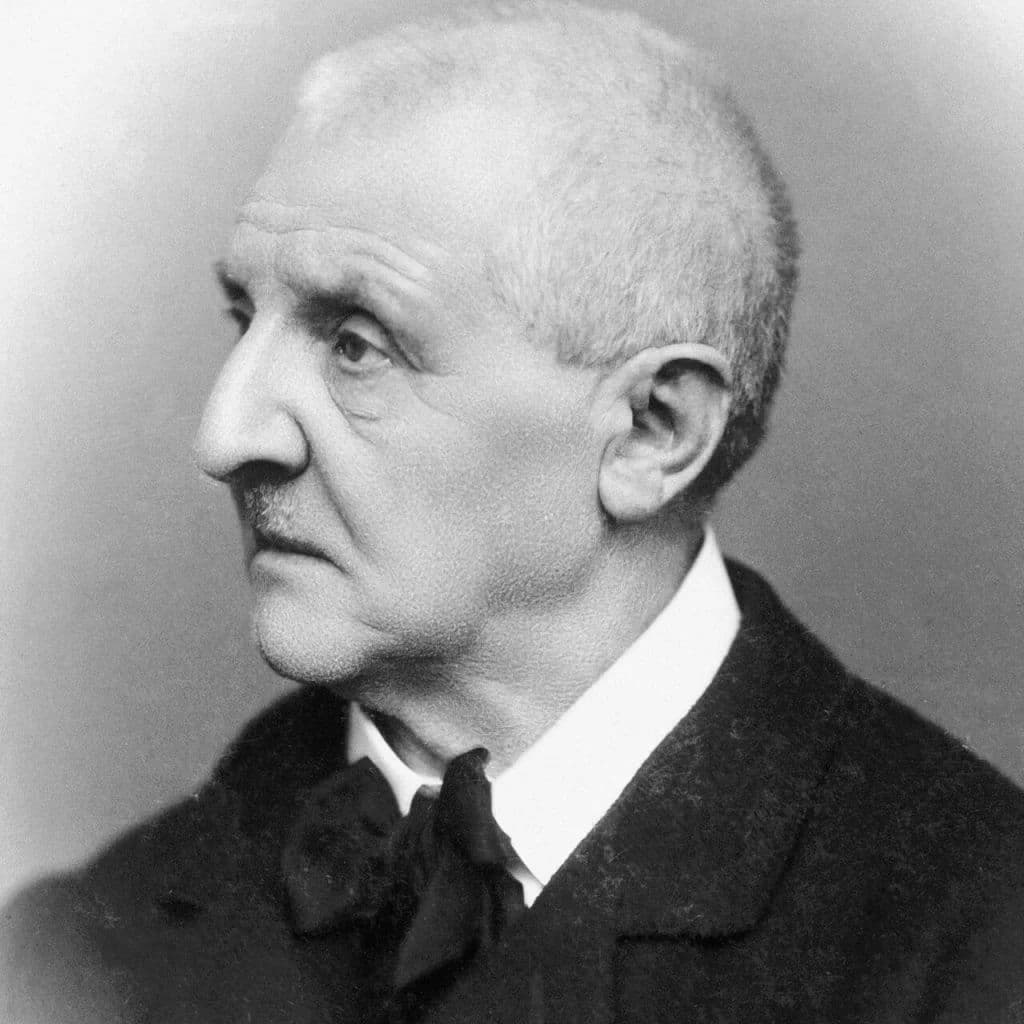
Anton Bruckner
Instead of hiring a replacement, Bruckner decided to conduct the premiere himself, featuring the Vienna Philharmonic. (Some background tea: the orchestra had recently rejected Bruckner’s dedication of his second symphony to them, and the Viennese concertgoers didn’t like his work much, either.) Predictably, disaster followed.
The musicians heckled the piece during rehearsals, and the premiere audience responded with laughter and catcalls during the actual performance.
Many concertgoers walked out between movements, unable to make sense of the symphony’s sprawling structure and bold dissonances.
By the end, only about 25 loyal listeners remained in the hall to applaud the shaken composer/conductor – among them the young Gustav Mahler, who was a student in the audience.
Viennese critics were merciless. The influential critic Eduard Hanslick ridiculed Bruckner’s Third as if it were a monstrous mishmash of greater works: “Beethoven’s Ninth meets Wagner’s Walküre, and is trampled under her hooves.”
In short, the Third Symphony’s debut was a fiasco that left poor Bruckner obsessively revising the score over a period of years. Incredibly, six versions exist today, attesting to the doubt the rocky premiere engendered in him.
Mahler – Symphony No. 1 (1889)
Gustav Mahler’s first symphony (sometimes known by its nickname “Titan”) baffled and split its audience at the premiere in Budapest on 20 November 1889.
A 29-year-old Mahler conducted this early work himself, presenting it as a symphonic tone poem in two sections, without much explanation. The result was profound confusion.
According to Pester Lloyd newspaper critic August Beer, the crowd listened with interest through the first half and even gave Mahler warm applause after the early movements…but then came the bizarre funeral-march third movement and the stormy finale.
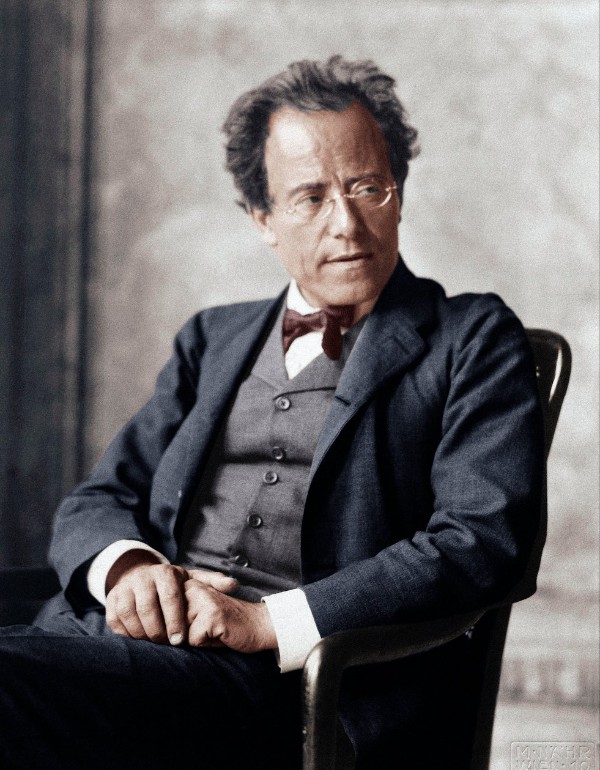
Gustav Mahler
“After the Death March, the mood changed, and after the Finale, there was slight but nevertheless audible opposition,” Beer reported.
What began as polite appreciation turned to boos and protests by the end. Many listeners simply didn’t know what to make of Mahler’s sudden shifts from delicate nature sounds to a grotesque minor-key rendition of “Frère Jacques” to blazing horn fanfares.
Even Mahler’s own supporters were unsure how to react. The composer later wrote that in Budapest, “my friends bashfully avoided me afterwards; nobody dared talk to me about the performance or my work”, and he wandered about “like a sick person or an outcast.”
It was a miserable experience for Mahler. In response, he revised the symphony repeatedly. He also tried adding program notes for subsequent performances, but later withdrew them.
Obviously, it took a while for Mahler’s First to win over audiences, but it eventually succeeded. But its debut certainly left the young composer feeling stung.
Rachmaninoff – Symphony No. 1 (1897)
The premiere of Sergei Rachmaninoff’s First Symphony in St. Petersburg on 28 March 1897 stands out as one of classical music’s most disastrous flops.
The performance (conducted by conductor Alexander Glazunov, who may have been inadequately prepared, or intoxicated, or both) was by all reports a train wreck.
Contemporary critics were unsparing.
Composer/critic César Cui delivered a now-famous evisceration in the next day’s paper:
“If there were a conservatory in hell, and if one of its students were instructed to write a symphony based on the seven plagues of Egypt, and if he were to compose a symphony like Rachmaninoff’s, he would have fulfilled his task brilliantly and delighted the inmates of hell.”
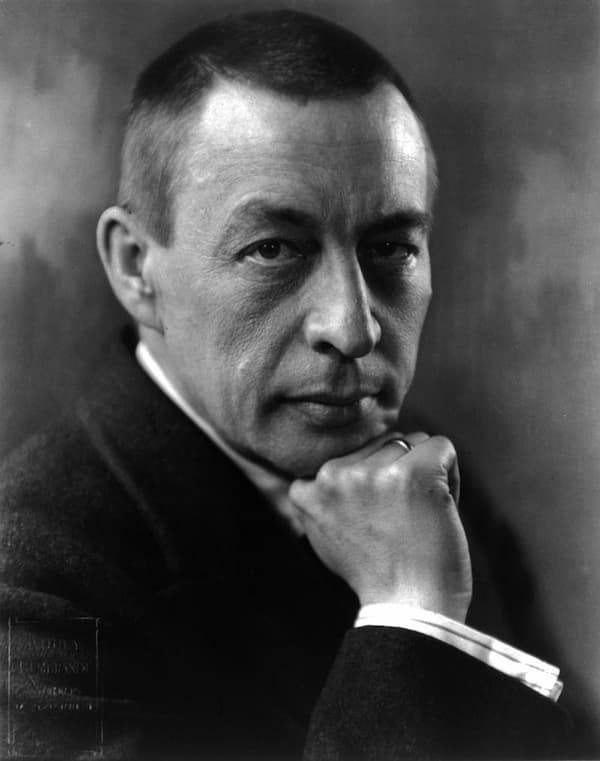
Kubey-Rembrandt Studios: Sergei Rachmaninoff, 1921
As if that wasn’t bad enough, Rachmaninoff’s respected colleague Sergei Taneyev also told him, “These melodies are flabby, colourless – there is nothing that can be done with them.”
Unsurprisingly, the symphony’s debut drew boos and mocking laughter from listeners.
Rachmaninoff, just 24 years old, was crushed. In the aftermath, the composer fell into a deep depression and suffered a creative block that lasted three years.
It took months of therapy (including now-famous hypnotherapy sessions) to restore Rachmaninoff’s confidence and allow him to compose again.
When he came back, he wrote arguably the most popular piano concerto of all time: Rachmaninoff’s Second Piano Concerto. He even dedicated the concerto to his therapist in gratitude for the assistance he’d given him after the trauma of the first symphony’s premiere.
Elgar – Symphony No. 2 (1911)
Officially, English composer Edward Elgar dedicated his second symphony to “the memory of His late Majesty King Edward VII”, who had died less than a year before its premiere.
However, it also had a personal, private dedication to his crush – or maybe lover – Alice Stuart-Wortley. “I have written out my soul in the [violin] concerto, Symphony No. 2 and the Ode, and you know it … in these three works I have shewn myself.”
Edward Elgar’s new symphony debuted in London on 24 May 1911 to a tepid response. Instead of the expected triumph, the audience’s applause was merely polite and restrained.
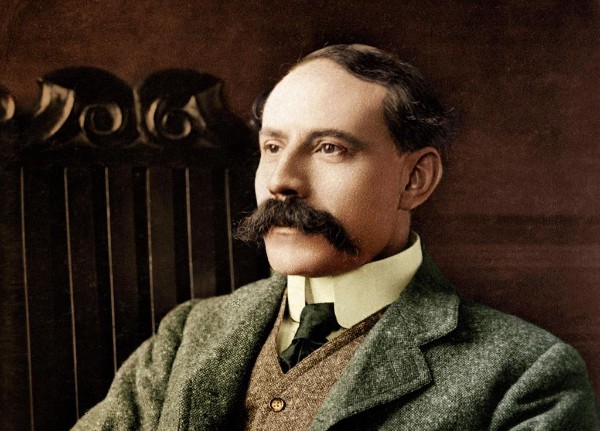
Edward Elgar
This was a shock given the “endless ovations” that had once greeted his First Symphony and Violin Concerto.
Elgar was bitterly disappointed. After the quiet final bars faded, he turned to the orchestra leader, W.H. “Billy” Reed and exclaimed, “What’s the matter with them, Billy? They sit there like a lot of stuffed pigs!”
They were perhaps confused by the symphony’s complexity and introspective tone, especially compared to the accessible sweep of his First.
Historians have suggested that there might have been a number of reasons for the muted reception: high ticket prices, oversaturation of Elgar works in the concert programs of spring 1911, or even the fact that the audience wasn’t in the mood for a somber work mourning the last monarch, when the joyful coronation of George V was scheduled to take place in a few weeks.
Regardless of the reasons, the composer’s despondent words underscore just how hurt Elgar was by the cool reception.
Conclusion
Not every piece that is panned at its premiere is going to be a major success. But it also can’t be denied that, historically, sometimes audiences have thrown babies out with bathwater!
Which of these once-maligned classics is your favourite?
For more of the best in classical music, sign up for our E-Newsletter