Why do some of the world’s greatest composers stop writing music long before their deaths?
In the popular imagination, composers write until their dying breath. Everyone who has seen the movie Amadeus remembers the scene where Mozart is on his deathbed, feverishly composing.
Mozart and Salieri write ‘Requiem in D Minor’ (Full HD) – Amadeus (1984)
However, not every composer has had a relationship with composing like that!
Whether due to burnout, grief, or scandal, many renowned composers retired early.
Today, we’re looking at eight composers who gave up composing years (or even decades!) before they died. Some walked away on their own terms…while others were silenced by forces beyond their control.
Gioachino Rossini (1792–1868)
Stopped composing operas in 1829 at age 37
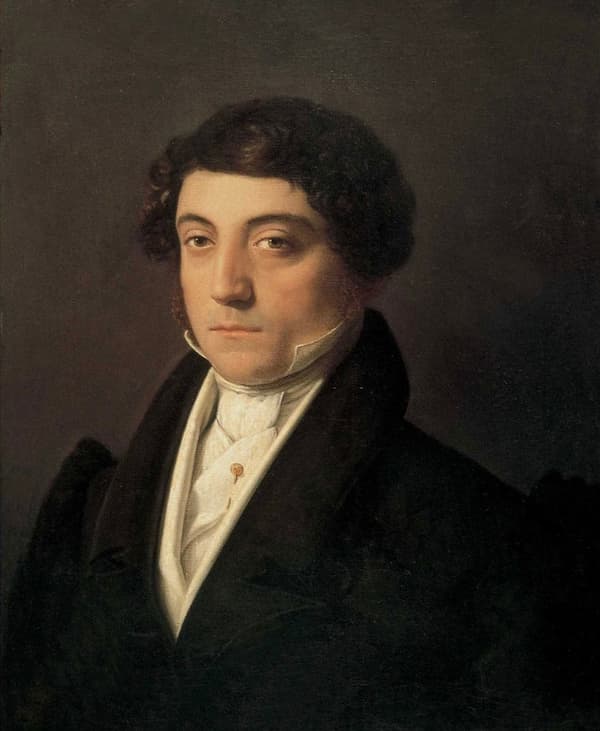
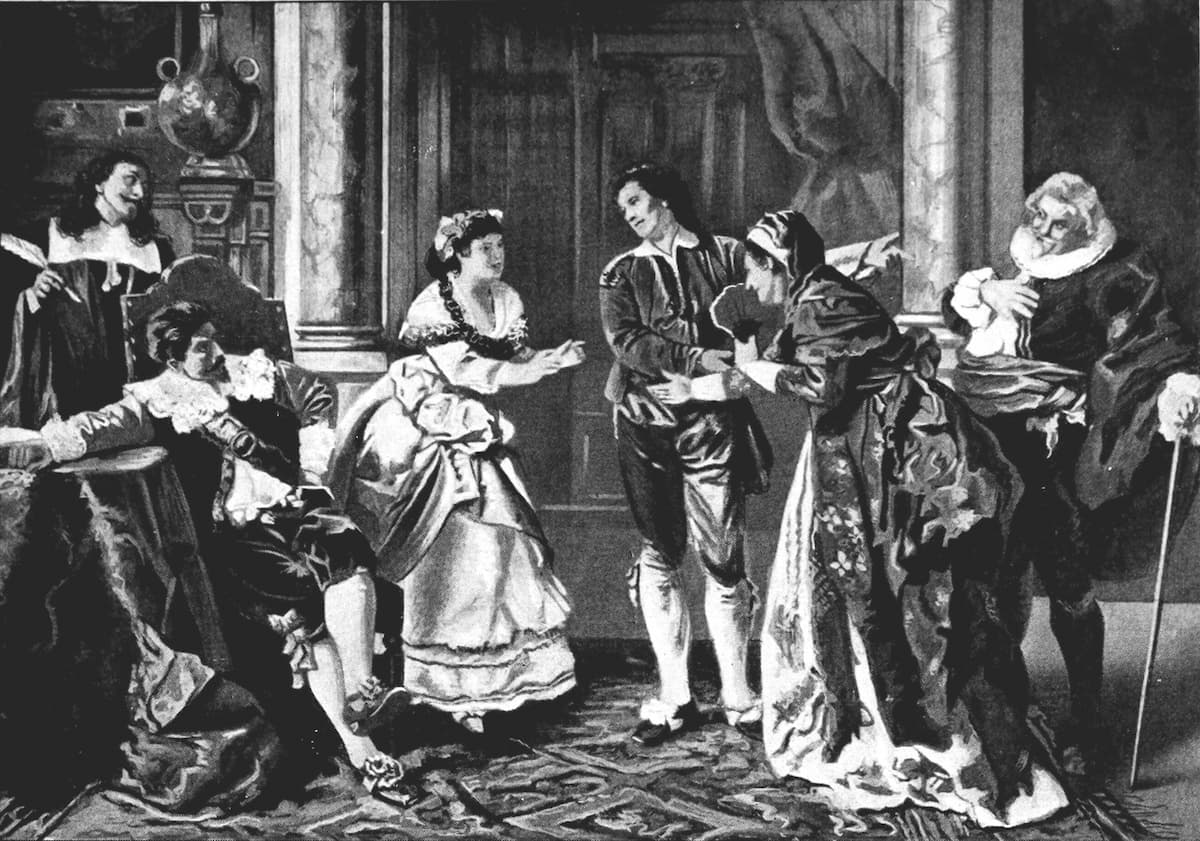
Portrait of Gioachino Rossini
Rossini was a famously productive composer. He wrote 39 operas in under 20 years, including beloved classics like The Barber of Seville, La Cenerentola, and Guillaume Tell.
But in 1829, after the premiere of Guillaume Tell, at the height of his power and popularity, he made a shocking decision: he would stop writing operas.
Rossini’s Guillaume Tell Overture
Why? Guillaume Tell was among his longest operas (clocking in at nearly four hours). Rossini ended up exhausted by the project, and his health began deteriorating, likely from a combination of gonorrhea symptoms, potential bipolar disorder, and grief at the loss of his mother.
To be fair, Rossini did continue to compose after 1829; he just gave up profitable large-scale opera. For instance, he wrote his Stabat Mater between 1831 and 1841, and his collection of songs and piano pieces Péchés de vieillesse (Sins of Old Age) between 1857 and 1868.
But he never wrote another commercial blockbuster like Guillaume Tell again, despite living for almost forty more years.
Rossini’s Stabat Mater
Charles-Valentin Alkan (1813–1888)
Stopped composing ca. 1853, around the age of 40
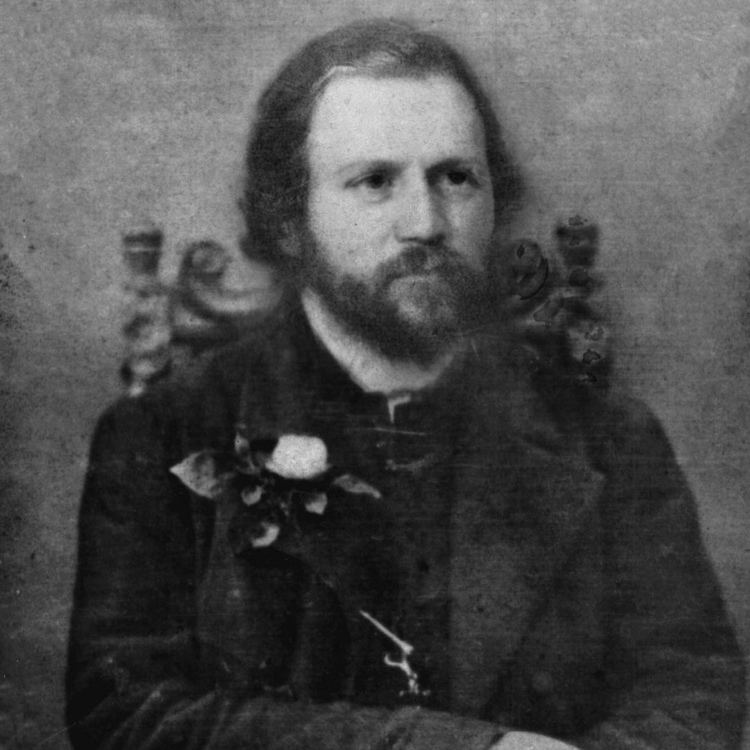
Charles-Valentin Alkan
A brilliant and eccentric pianist-composer, as a young man, Alkan was often mentioned in the same breath as Chopin and Liszt.
However, in his thirties, he all but vanished from the Parisian concert scene. In 1848, the Paris Conservatoire passed him over when selecting a new piano department head, which devastated him. Then, the following year, Chopin’s death shook him to his core.
An excerpt from Alkan’s Concerto for Solo Piano
For nearly twenty years afterward, he withdrew from musical society and busied himself with Biblical scholarship instead.
Although Alkan never officially retired from composing, and produced intermittent intriguing works during this period, he never traveled to perform them or advocate for them. Many remain totally unknown today.
He briefly returned to music in the 1870s. Historians are unclear why. He died in 1888.
Edward Elgar (1857–1934)
Stopped composing major works in 1920 at the age of 63
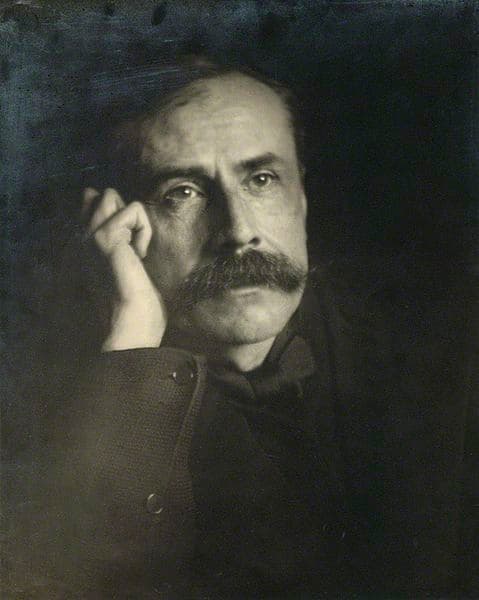
Charles Frederick Grindrod: Edward Elgar, ca. 1903
After the success of works like his Enigma Variations (1898-99) and his Pomp and Circumstance marches (1904), Elgar became the most celebrated British composer of his generation.
But after the societal trauma of World War I, combined with the death of his beloved poet wife Alice in 1920, grief sapped his creative energy.
It didn’t help that the premiere of Elgar’s cello concerto in October 1919 was a complete disaster.
Elgar’s Cello Concerto
Instead, he focused on fields outside of music, like sports (he loved football), horse racing, bicycling, motoring, traveling, and even chemistry (he patented the Elgar Sulphuretted Hydrogen Apparatus).
Starting in 1926, he began recording performances of his works, despite the fact that his Edwardian style of composition had gone out of fashion after the war.
In the 1930s, he mused about returning to composing, but he became ill with cancer before he could finish a new large-scale work.
He died in 1934. In the years to come, many would view Elgar’s 1919 cello concerto as his – and the Edwardian era’s – musical epitaph.
Ethel Smyth (1858–1944)
Stopped composing around 1920 at the age of 62
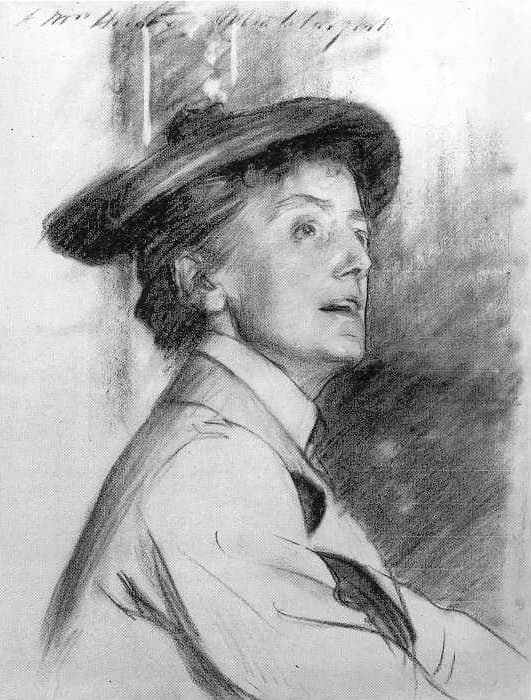
John Singer Sargent: Dame Ethel Smyth
Ethel Smyth was one of the most fascinating composers of the nineteenth century. British by birth, she studied music in Germany as a young woman. There she met storied figures like Johannes Brahms, Pyotr Ilyich Tchaikovsky, and Clara Schumann.
Over the course of her long career, she composed orchestral works, chamber music, and even operas. In 1903, she actually became the first woman to have an opera performed at the Metropolitan Opera (Der Wald).
Smyth’s Overture to The Wreckers
Whether in her personal or professional life, she was always willing to go against the grain. She was a staunch suffragette, and she was open about her romantic relationships with women.
Tragically, in the late 1920s, Smyth began going deaf, finding it increasingly difficult to compose. Ever indefatigable, she pivoted to writing memoirs. She wrote six books in her later years. They are among the most interesting and most candid musician autobiographies ever written.
Jean Sibelius (1865–1957)
Stopped composing around 1926, around age 61
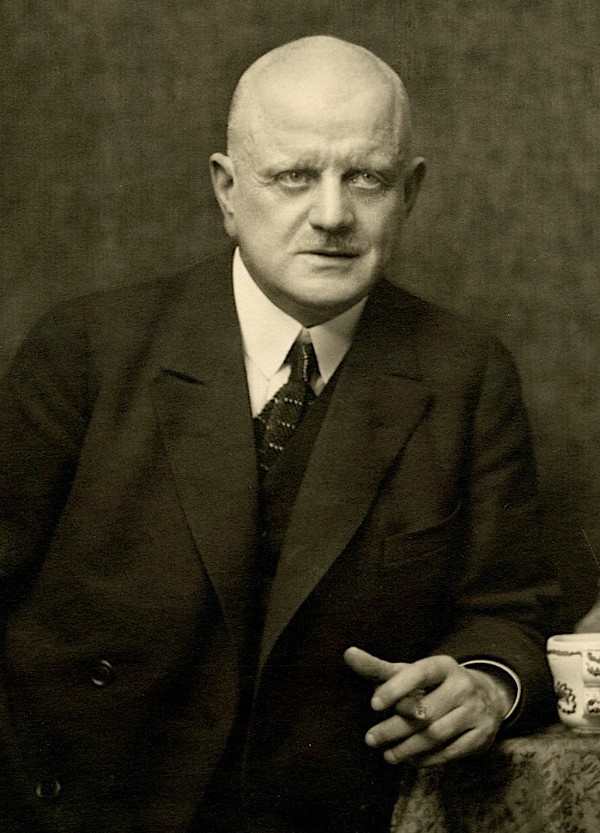
Jean Sibelius, 1923
No composer is more closely associated with creative silence than Sibelius.
After writing his tone poem Tapiola, dating from 1926, Sibelius just…stopped composing. His inspiration had dried up.
Sibelius’s Tapiola
It wasn’t just that his musical style was being overshadowed by ultra-modernists. At the time, he was dealing with a debilitating hand tremor that made writing difficult. He had always struggled with alcoholism, and he self-medicated for his tremor (and depression) by drinking heavily. Predictably, it was a strategy that met with limited success.
For decades, credible rumours swirled about his next big work: his eighth symphony. It is believed that he worked on it for years and likely made a lot of progress on it.
However, in 1945, during a particularly intense period of depression, he burned many of his sketches and manuscripts in his dining room.
His wife Aino remembered:
“In the 1940s, there was a great auto da fé at Ainola. My husband collected a number of the manuscripts in a laundry basket and burned them on the open fire in the dining room… I did not have the strength to be present and left the room. I therefore do not know what he threw on to the fire. But after this, my husband became calmer and gradually lighter in mood.”
It can only be surmised that the eighth symphony, along with any other works from the 1930s, was fed into the flames.
Margaret Ruthven Lang (1867–1972)
Stopped composing in 1919 at the age of 52
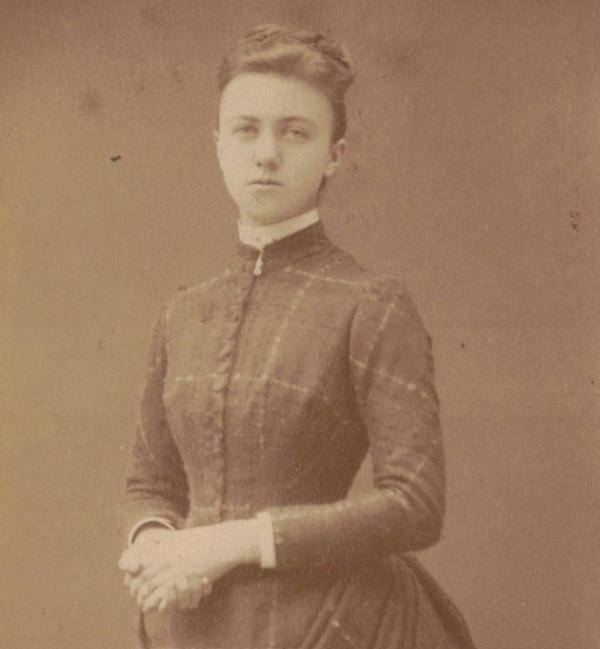
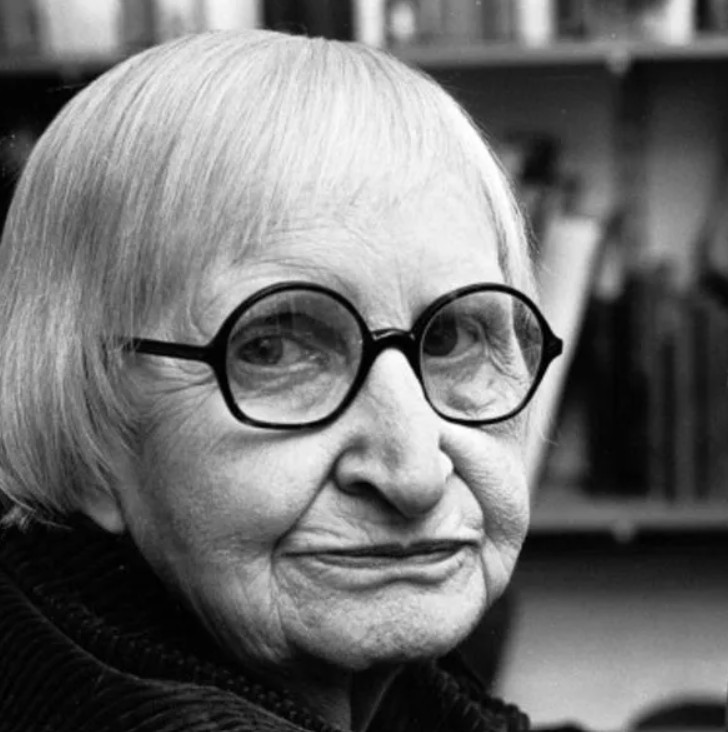
Margaret Ruthven Lang
Margaret Ruthven Lang was born to a musical family in Boston in 1867. Like Ethel Smyth, she went to Germany to study composition. She then returned to the United States and studied with George Whitefield Chadwick.
Over the course of her career, she wrote over two hundred songs.
Lang’s piano piece “A Spring Idyll”
She also made American musical history in 1893 when her Dramatic Overture was performed by the Boston Symphony Orchestra, marking the first time that a major American orchestra had played a work by a woman.
She also wrote other large-scale works, including the overture Witichis and several works for voice and orchestra.
However, none of these larger pieces survives today. It is believed that she, like Sibelius, burned many of her surviving works due to her perfectionism.
She composed her last piece of music in 1919 at the age of 52. She began focusing on religious writing instead.
But she never gave up her love of music. She lived to be 104 and became the person to hold the record for the longest Boston Symphony subscription: 91 consecutive years!
Maurice Ravel (1875–1937)
Stopped composing in 1933 at 58
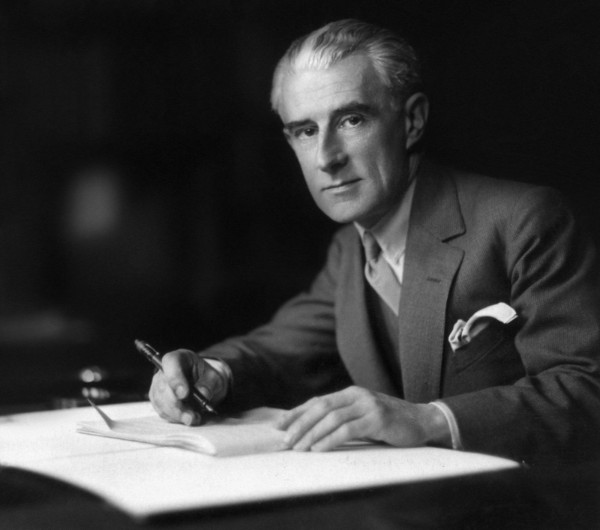
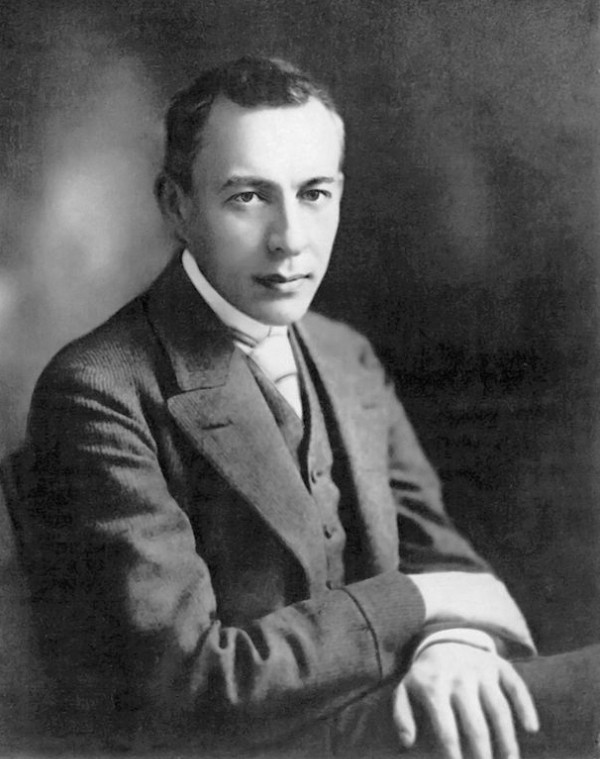
Maurice Ravel, c. 1928
By the late 1920s, Ravel was internationally renowned for works like Boléro and Daphnis et Chloé.
But in 1932, he got into a taxi accident in Paris and received a head injury. It seems that this injury either triggered or accelerated some kind of degenerative neurological condition, possibly progressive aphasia or frontotemporal dementia (also known as Pick’s Disease).
Ravel’s Don Quichotte a Dulcinee, some of the last music he wrote
Ravel gradually lost his ability to write, speak fluently, or complete complex tasks. His housekeeper became alarmed enough at his condition that she would pin a label with his address on it inside his coat whenever he went out to dinner. He eventually lost the ability to identify his own music, much less compose. Ravel died after exploratory brain surgery in 1937.
Henry Cowell (1897–1965)
Stopped composing prolifically after 1936, around the age of 40
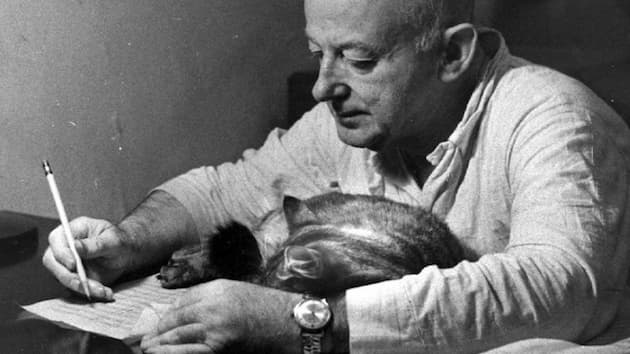
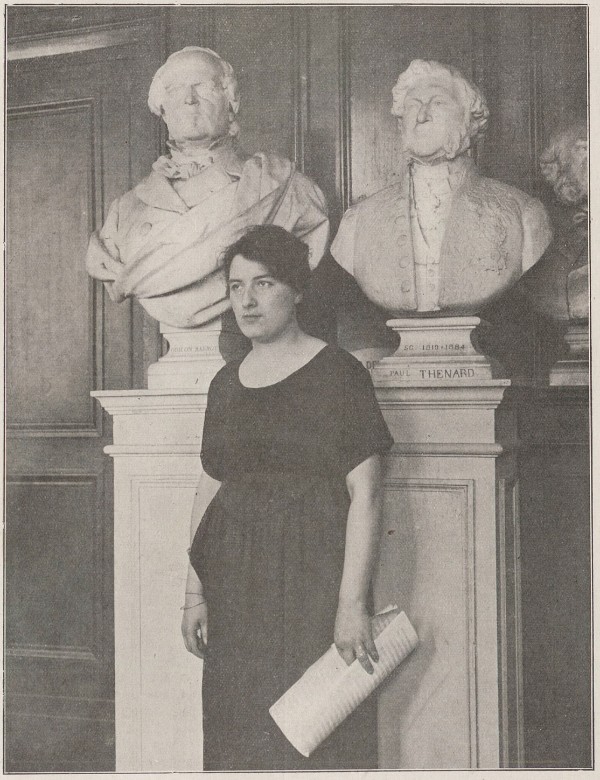
Henry Cowell
Californian composer Henry Cowell was a bold innovator, known for his experimentation with tone clusters, prepared piano, polytonality, and other techniques beloved by the avant-garde.
He toured the world performing his shocking new music. He became the first American musician to visit the Soviet Union, and his music caused an audience riot in Leipzig.
Cowell’s “The Banshee”
Unfortunately, in 1936, his career collapsed. He was arrested for having homosexual relations with a seventeen-year-old boy. He pled guilty at his trial and spent four years at San Quentin State Prison, where abuse was common, and psychotherapy pursued meant to cure his homosexuality.
He continued composing while in prison, and even led the prison band. He was paroled in 1940 and pardoned by the California governor in 1942.
However, he was never quite the same after his time in San Quentin, struggling with feelings of anxiety and paranoia.
He gave up his early style of composition completely and embraced a simpler, more conventional, less controversial musical language. He wrote a handful of works after gaining his freedom, but none had the impact that his early works had.
Conclusion
Whether due to exhaustion, illness, grief, or perfectionism, there are a number of reasons why composers step away from the art.
These struggles serve to humanise these composers, reminding us of the real people behind the music we’ve come to know and love.
For more of the best in classical music, sign up for our E-Newsletter