For those in cold, northern climes, the lure of the south is sometimes inescapable. Whether you’re a snowbird in Florida or a frozen Russian in lovely Italy, there’s something there that just calls you back.
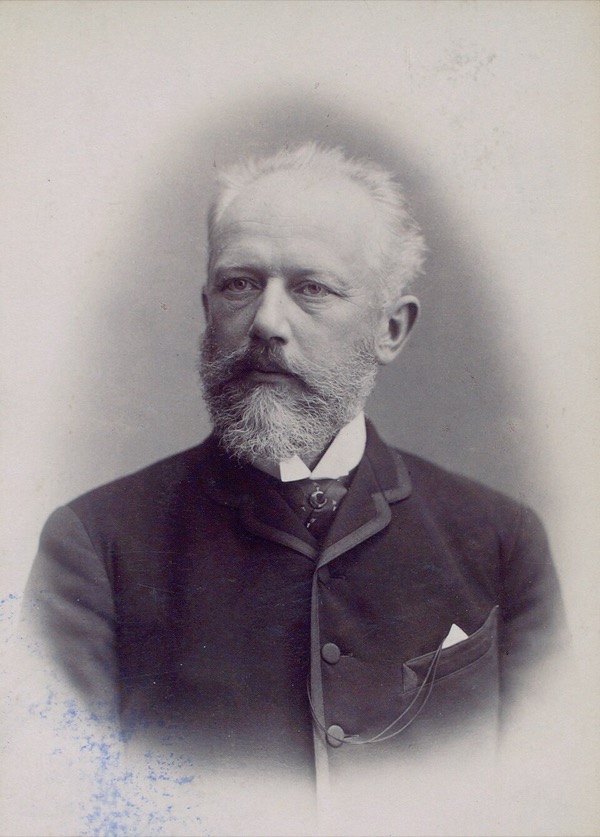
Émile Reutlinger: Pyotr Il’yich Tchaikovsky, ca 1888 (NYPL Digital Gallery, 1158492)
Pyotr Ilyich Tchaikovsky (1840–1893) had wintered in Rome from 1879 to 1880, joined by his brother Modest and Modest’s young student Kolya. That’s where he started work on his Capriccio Italien, Op. 45, originally imagined as an Italian suite on folk melodies. However, there’s more than a little influence of Glinka and his Spanish fantasies, as we know from a letter Tchaikovsky wrote to his patroness, Nadezhda von Meck, in January 1880.
In Rome, Tchaikovsky lived next to a military barracks, and it is that same fanfare he heard daily that opens this work. The folk music he quotes came from various anthologies; he told Nadezhda in his letter in February 1880. After the folk songs, orchestrated as only he could, the opening returns and then the finale dances off in an ever-accelerating tarantella.
Although we know he used printed sources for his folk music, only one melody of the four he used has been traced – and it’s the tarantella. Named Cicuzza, its appearance at the end is part of the brilliant and joyous finale. A few years later, Tchaikovsky would again use a tarantella in the third of his orchestral suites.
The work premiered in December 1880 in Moscow, with Nikolay Rubinstein, director of the Moscow Conservatory, conducting.
Pyotr Ilyich Tchaikovsky: Capriccio Italien, Op. 45
On this recording, made in April 1956 in the Grosser Saal of the Musikverein, Vienna, Ionel Perlea leads the Orchestre Symphonique “Pro Musica” of Vienna. The ad hoc orchestra was active between 1950 and 1960 and was formed as an inexpensive professional ensemble for low-cost recordings. It consisted of freelance musicians or members of other Vienna orchestras, such as the Vienna Symphony Orchestra.
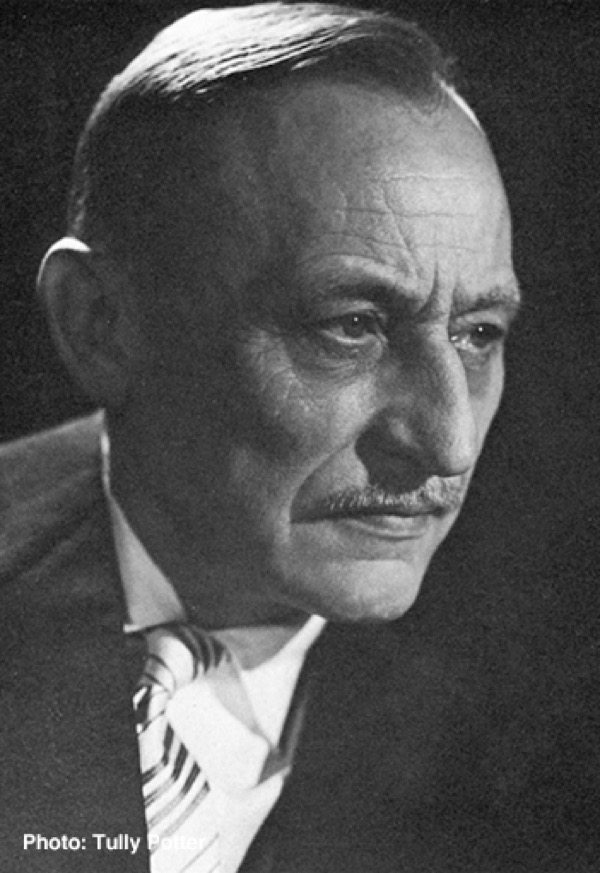
Ionel Perlea
Ionel (or Jonel) Perlea (1900–1970) was a Romanian conductor who made his name in Italian and German opera. After his father’s death, Perlea and his family moved to Germany before he was 10. He studied in Munich and Leipzig before becoming a répétiteur in Leipzig (1922–23) and Rostock (1923–25). He made his conducting debut in 1927, and from 1934 to 1944 he was music director of the Bucharest Opera before being sent to the Mariapfarr concentration camp. Post-war, most of his conducting work was done in Italy, most notably at La Scala from 1947–1952. From 1949 to 1950, he was a guest conductor at the Met Opera in New York, leading Tristan und Isolde, Rigoletto, La traviata, and Carmen. He taught at the Manhattan School of Music from 1952 to 1969.
A heart attack in 1957 and a stroke in 1958 limited him to conducting only with his left hand. His obituary in the New York Times praised him for overcoming this handicap, ‘a feat comparable to a baseball pitcher’s learning late in his career to throw with his other arm’. To conduct, he would put his right hand in his pocket and lead on with his left. He gave up live performance and leaned more towards recording music.
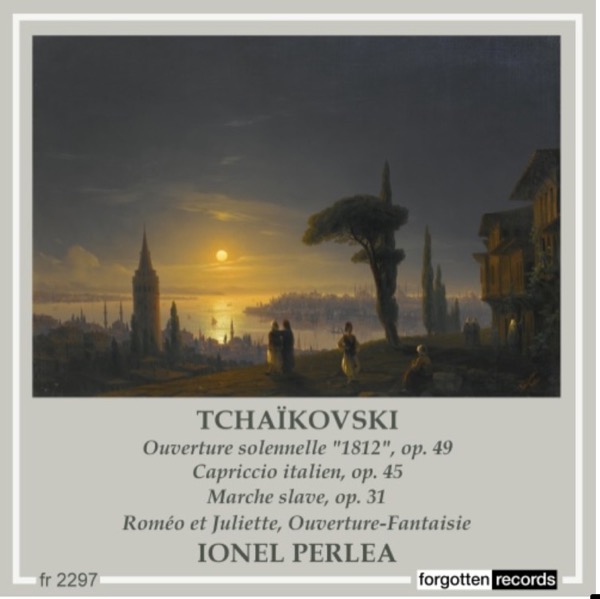
Performed by
Ionel Perlea
Orchestre Symphonique “Pro Musica”, Vienne
Recorded in 1956
Official Website
For more of the best in classical music, sign up for our E-Newsletter