Ottorino Respighi (1879-1936) spent much of his creative life searching for an Italian musical identity. And that is precisely what he found in the artistic expressions of the Italian Renaissance and Baroque. As an editor, he produced critical editions of the music of Claudio Monteverdi and Vivaldi.
As a composer, he orchestrated and published three collections of lute, guitar, and viol music from Italy’s historical past. To celebrate his birthday on 9 July, let’s explore these deliciously popular collections aptly named Ancient Airs and Dances.
Ottorino Respighi: Ancient Airs and Dances, Suite 1
A Nation in Search of Itself
I think you probably know that the Italian peninsula during the Middle Ages was a collection of smaller independent city-states and kingdoms. Only in 1861 did Italian nationalists and monarchists create a unified Kingdom of Italy.
This led to severe economic hardship, particularly in the agricultural southern region, while political unification also saw mass emigrations that forced many Italians to settle in different parts of the world.
A Composer of “New Old Music”
Ottorino Respighi was born on 9 July in Bologna, with his paternal ancestry originating from a small country town near Piacenza in northern Italy. Although he grew up in a musical household, he came to music relatively late and eventually became known as a brilliant orchestrator.
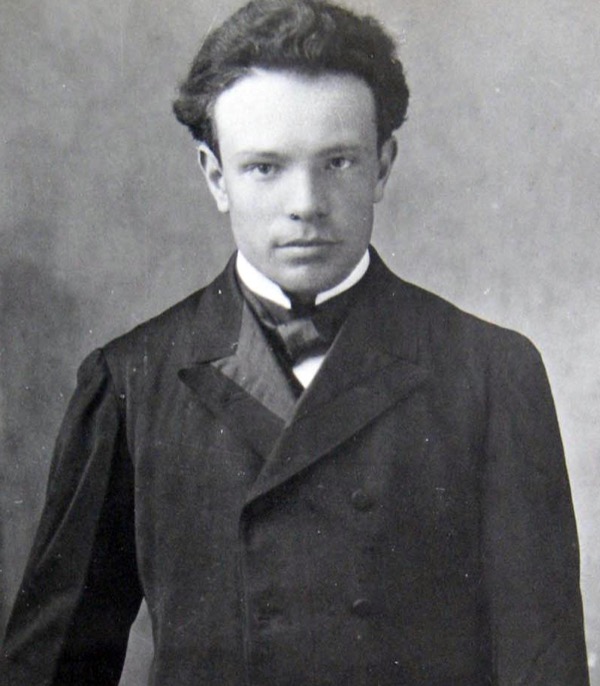
Ottorino Respighi in 1903
In musical homage to J.S. Bach, he fashioned several suites and transcriptions and adapted works by Tartini, Vitali, and Rossini. Soon, he became known as a composer of “new old music.”
Respighi spent some time in Russia, probably taking a number of orchestration classes with Rimsky-Korsakov, but he was trying to establish an Italian musical identity. He explained that the Italian genius in music is for melody and clarity.
As such, he tried to reconcile Italian musical traditions with the Romantic, Impressionist, and neo-classical streams that were fashionable in Europe. The inspiration for his music was drawn from ancient rather than modern Italy.
Ottorino Respighi: Ancient Airs and Dances, Suite No. 2, P. 138: I. Laura Soave: Balletto con Gagliarda, Saltarello e Canario (Ireland National Symphony Orchestra; Ricco Saccani, cond.)
Courtly Dances and Rustic Grace
Composed in 1917, the first Suite of Ancient Airs and Dances is a charming orchestral work that breathes new life into Renaissance-era melodies. Inspired by 16th- and 17th-century lute music, this suite reimagines early Italian compositions with Respighi’s lush, modern orchestration.
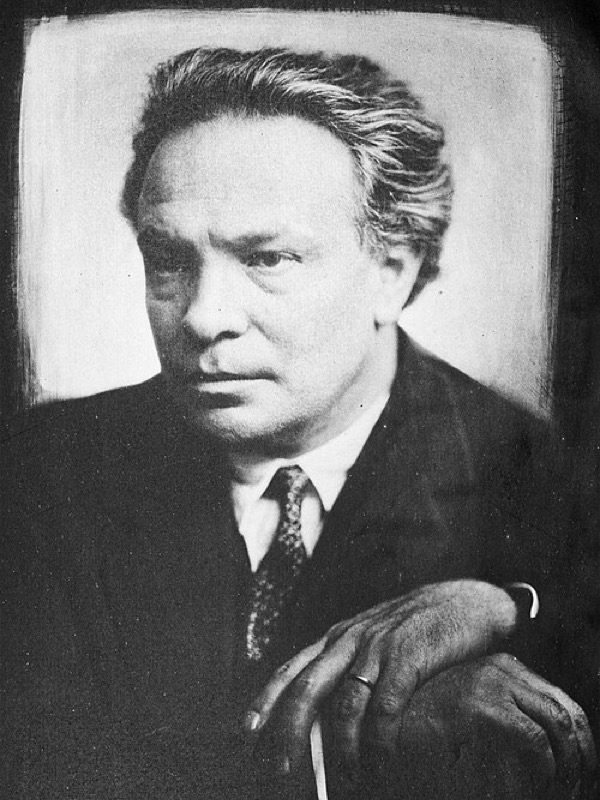
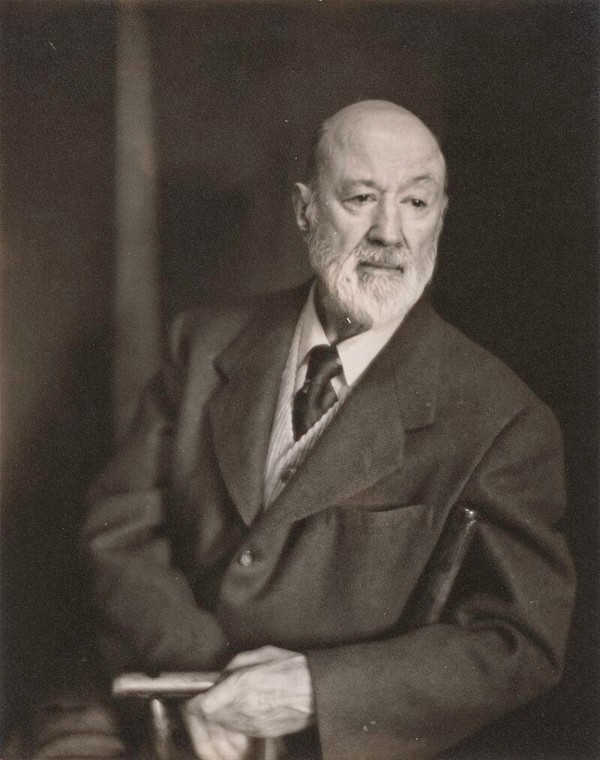
Ottorino Respighi, 1927
The four movements evoke a world of courtly elegance, rustic dances, and nostalgic grace. With delicate strings, warm woodwinds, and sparkling harpsichord touches, Respighi crafts a sound that feels both ancient and timeless, inviting listeners to imagine Renaissance Italy’s ballrooms and countryside gatherings.
Blending his gift for historical research with vibrant storytelling, this suite unfolds with gentle charm. Each movement offers a distinct mood, from the stately grandeur of the opening “Balletto” to the lively, playful close of the “Mascherada.”
The suite flows with effortless warmth that captivates. Respighi’s orchestration modernises the old melodies without overshadowing their simplicity, creating a work that is both sophisticated and easy to love.
Ottorino Respighi: Ancient Airs and Dances, Suite No. 2, P. 138: II. Danza Rustica: Allegretto (Ireland National Symphony Orchestra; Ricco Saccani, cond.)
Expanding the Palette
Respighi’s second suite, dating from 1924, employs a colourful orchestration that includes the piccolo flute, harp, harpsichord, and celesta. Once again, it is a reimagining of ancient melodies through the composer’s rich and modern orchestration.
The opening movement, titled “Laura Soave,” presents three dances originally composed to celebrate the wedding of Ferdinand de Medici and Christine of Lorraine in 1589.
A delicate, courtly oboe tune is accompanied by a feathery pizzicato string line. Slightly increased orchestral forces sound the second dance, while the full orchestra, vividly imitating the strumming sounds of the lute, provides the musical contrast.
The “Danza rustica,” a rustic country dance, originally dates from 1614. The strings present a leaping melody, with the woodwinds and brass providing colourful orchestral support.
Ottorino Respighi: Ancient Airs and Dances, Suite No. 2, P. 138: III. Campanae parisiennses – Aria: Andante mosso (Ireland National Symphony Orchestra; Ricco Saccani, cond.)
Between Hymn and Dance
Imitating 17th-century Parisian bells, the “Campanae Parisiennes” strikes a deeply religious tone. Ringing bells initiate a hymn-like melody presented in the strings. Full of modal harmonies and devotional passages, this movement provides a glorious moment of quiet contemplation.
The concluding “Bergamasca” presents a collection of frolicking tunes from the northern Italian region of Bergamo. These Renaissance tunes are gaily assigned to various instrumental groups, underscoring Respighi’s brilliant sense of orchestration.
This suite is both accessible and deeply evocative. Compared to Suite No. 1, this collection has a slightly darker and more introspective tone, yet it remains inviting and melodic. Respighi’s genius in modernising ancient tunes ensures the music feels fresh while still honouring its roots.
Ottorino Respighi: Ancient Airs and Dances, Suite No. 2, P. 138: IV. Bergamasca: Allegro (Ireland National Symphony Orchestra; Ricco Saccani, cond.)
When Memory Begins to Sing
The final instalment of his beloved orchestral suites inspired by Renaissance and Baroque Italian music was composed in 1931. Ancient Airs and Dances, Suite No. 3 is unlike the first two, as it is scored for strings alone, creating a refined and intimate sound that highlights the purity of the original melodies.
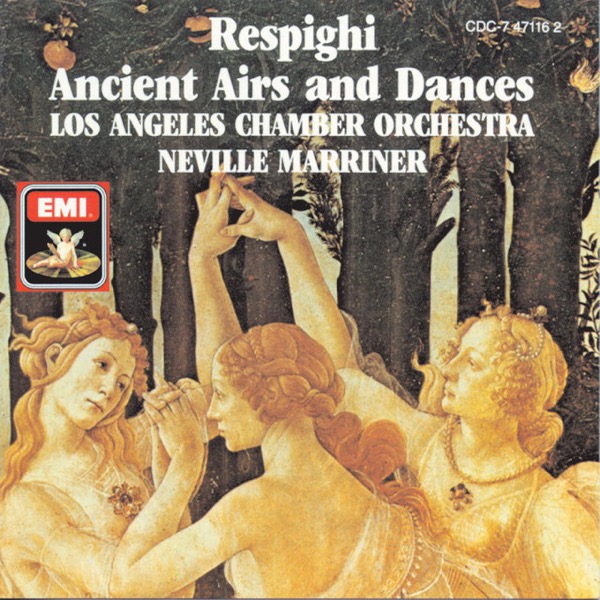
Respighi: Ancient Airs and Dances
Its four movements are again drawn from 16th- and 17th-century lute and guitar pieces, evoking the elegance of courtly dances, pastoral serenity, and stately grandeur.
Respighi’s sensitive orchestration wraps these ancient tunes in a warm, luminous glow, offering a nostalgic glimpse into Italy’s musical heritage. The allure of this set lies in its understated beauty and emotional depth, making it both accessible and profoundly moving.
The strings-only texture lends a delicate, almost ethereal quality, with each movement unfolding like a cherished memory. Just listen to the graceful poise of “Italiana” or the robust and rhythmic vitality of the “Passacaglia.” Compared to the previous suites, Suite 3 feels introspective yet equally captivating, as Respighi transforms simple melodies into timeless art.
These suites perfectly capture Respighi’s lifelong search for an Italian musical identity. He transformed fragments of Italy’s distant musical past into a lush and modern soundscape. It has now been over a century since the first suite was composed, but it continues to enchant audiences in the 21st century.
For more of the best in classical music, sign up for our E-Newsletter