
Ottorino Respighi (1879-1936) spent much of his creative life searching for an Italian musical identity. And that is precisely what he found in the artistic expressions of the Italian Renaissance and Baroque. As an editor, he produced critical editions of
Respighi
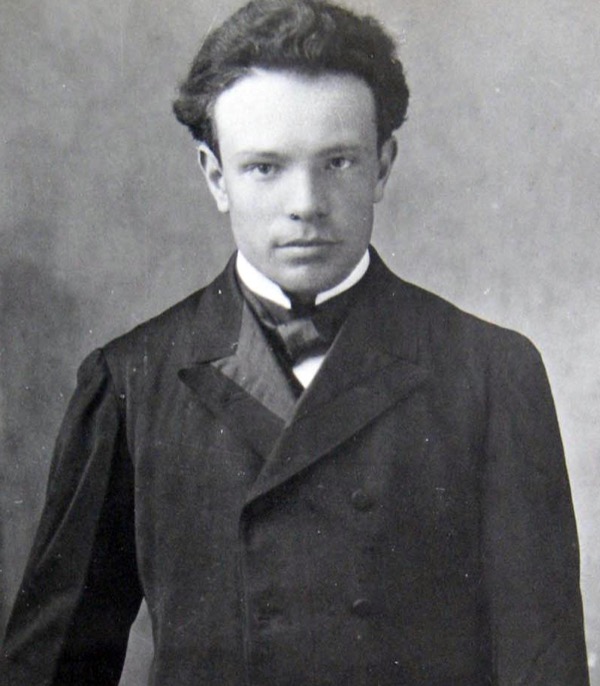
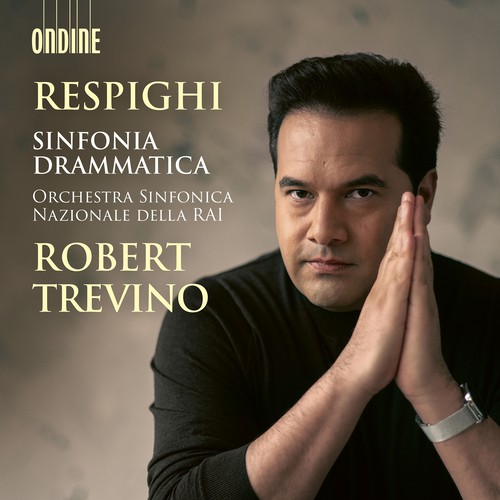
For many, the name Ottorino Respighi is synonymous with his Roman Trilogy, a set of three fantastically colourful works for orchestra depicting scenes of ancient Rome in a brilliant, cinematic style. Nestled further back in Respighi’s oeuvre is the grand,
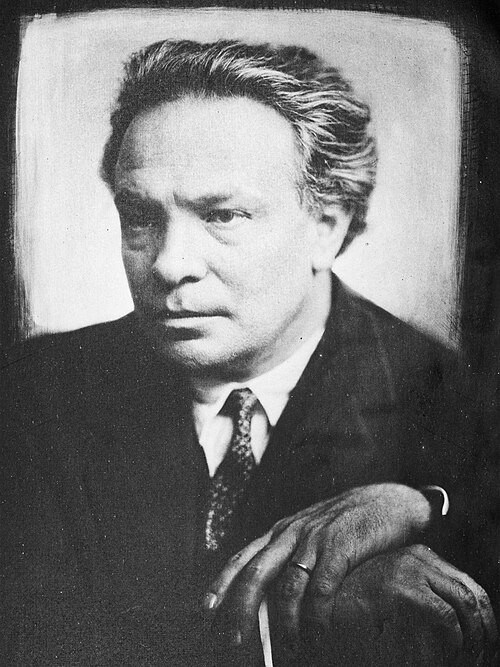
On 18 April 1936, Ottorino Respighi died from an inflammation of the inner layer of the heart in Rome. Respighi lived and worked during tumultuous political times, and his historicist interest in Italian music and the arts made him and
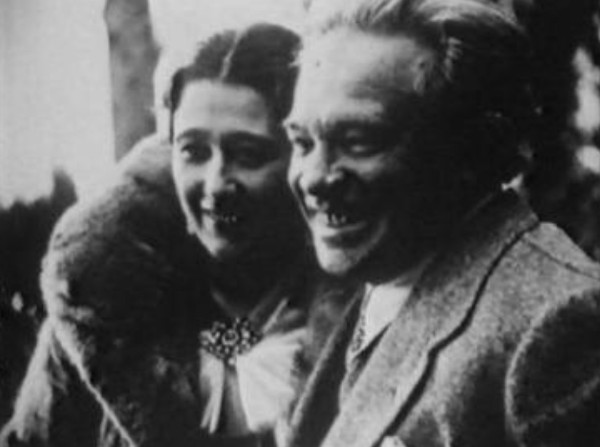
Elsa Olivieri Respighi was more than just the wife of the famous Italian composer Ottorino Respighi. She was also an accomplished musician, composer, and author in her own right. Elsa’s marriage to Respighi resulted in a productive creative partnership, with
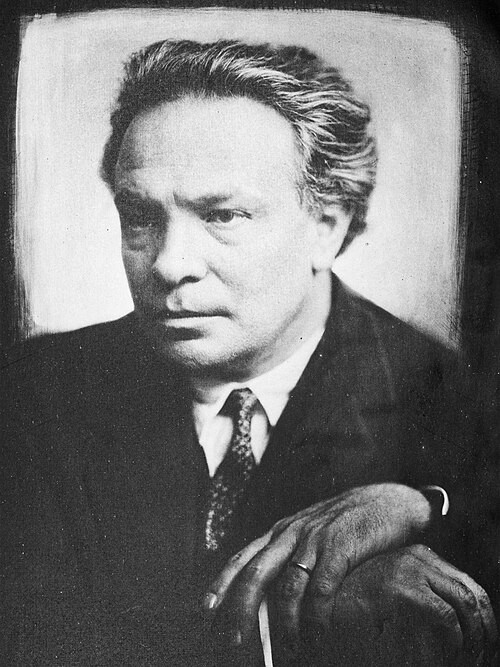
Ottorino Respighi, born on 9 July 1879, was an Italian composer whose music captured the soul of Italy with vibrant colours and evocative imagery. Born in Bologna, he studied violin and composition, later drawing inspiration from both his native land
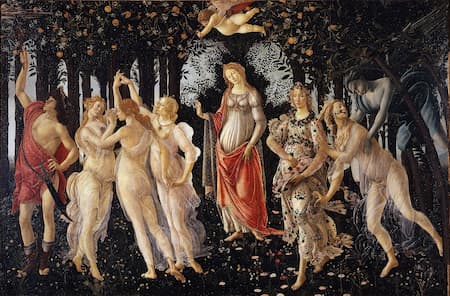
Ottorino Respighi: Trittico botticelliano Venus, in the middle, presides over her realm, but as it’s Spring, as we know from the painting’s title, Primavera, the world is a buzz of activity. As we read the painting from right to left,
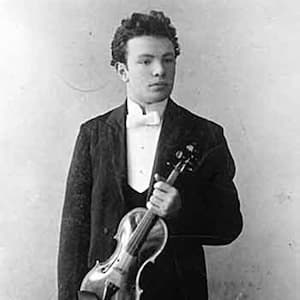
Born on 9 July in Bologna, Ottorino Respighi’s paternal ancestry originated from Cortemaggiore, a small country town near Piacenza in northern Italy. His grandfather Tommaso was a capable violinist and the founder of the local orchestra. He also worked as
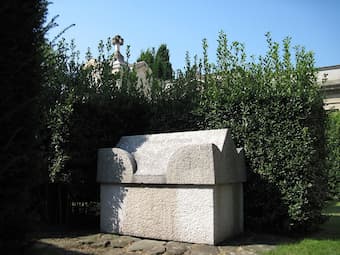
Ottorino Respighi was working on his last opera Lucrezia when he unexpectedly died of congestive heart failure on 18 April 1936. Respighi had not yet reached his 57th birthday, and his wife Elsa suspected that the cause of his early