Nothing signals the end of summer and the approach of autumn as the leaves on the trees. They colour, turning bright red, or orange, or yellow, perhaps mixed with just a hint of their original green, before falling and colouring the ground and then being swept up. A rake, the wind, or the street cleaner takes them away, but too soon they’re gone.

Fall Leaves
Composers, of course, take in all this and make their own music to reflect it.
We’ll start with Hungarian composer Joseph Kosma (1905–1969) and his standard, Autumn Leaves. In Kosma’s world, he watches the falling leaves drift by his window and thinks back on the summer kisses he once enjoyed. But she’s gone and winter approaches, but it’s the autumn leaves that remind him so much of her.
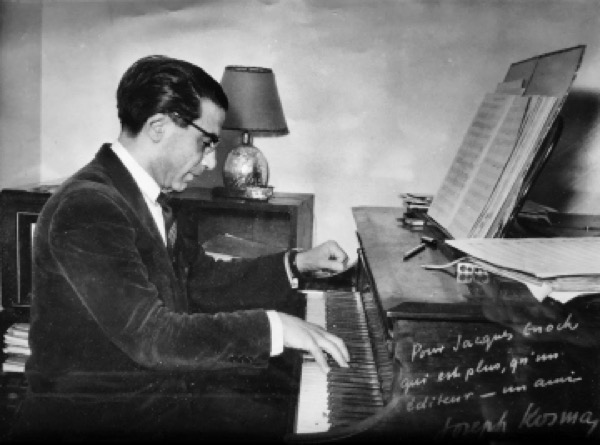
Joseph Kosma
Joseph Kosma: Autumn Leaves (arr. D. Rojaz for violin and piano) (Emily Sun, violin; Andrea Lam, piano)
In American composer Stephen Montague (b. 1943) world, his Autumn Leaves is a set of short, occasional pieces he wrote for friends’ birthdays, weddings, anniversaries, and other festive occasions. He takes up Washington Irving’s tale of horror from The Legend of Sleepy Hollow at Halloween for his subject in The Headless Horseman. Wait for the pumpkin head to whistle by in a crack of lightning!
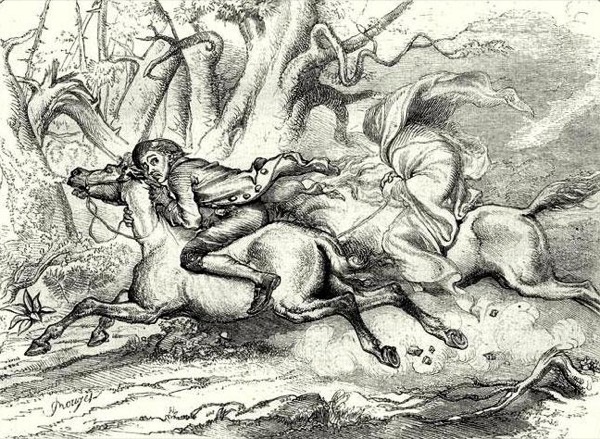
F.O.C. Darley: Ichabod Crane pursued by the Headless Horseman, 1849 (Le Magasin pittoresque)
Stephen Montague: Autumn Leaves (excerpts): Headless Horseman (Philip Mead, piano; Stephen Montague, tape)
The Dutch-British composer Gerard Schurmann (1924–2020) created Autumn Leaves as a 4-movement character piece, filled with the composer’s nostalgia. The second movement, Arietta, wanders and explores the new autumnal world.
Gerard Schurmann: Autumn Leaves: II. Arietta (Alyssa Park, violin; Mikhail Korzhev, piano)
In Book 2 of his Préludes, Claude Debussy (1862–1918) memorialised the season’s dead leaves in Feuilles mortes.

Fallen Leaves
Claude Debussy: Préludes, Book 2: No. 2. Feuilles mortes (Ichiro Kaneko, piano)
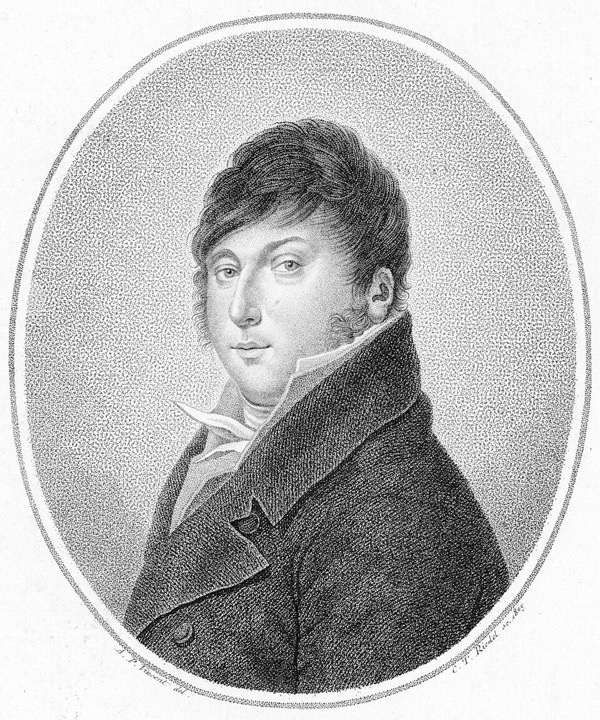
Lebanese-French composer Bechara El-Khoury (b. 1957) used the imagery of the leaves in his Serenade No. 1, Op. 10, Feuilles d’Automne (Autumn Leaves). Written in Paris in 1980, the melancholic reverie uses the downward fall of the leaves to depict the autumnal world. It sounds less modern than a late Romantic sigh.

Bechara El-Khoury
Bechara El-Khoury: Serenade No. 1, Op. 10, “Feuilles d’Automne” (Autumn Leaves) (Orchestre Colonne; Pierre Dervaux, cond.)
Edvard Grieg (1843–1907) wanted to paint Norwegian nature in musical tones. Grieg found his inspiration in ‘tumultuous autumn storms, waterfalls and the forces of nature, as well as in natural beauty’. This is not the Norway of postcards, but the Norway of the natives. His 1866/1887 overture, Autumn, tells a story of chaos and decay, destruction and death, but also of living alongside the seasonal cycle and harvest, ending in a festive ballad (which his brother sent him).
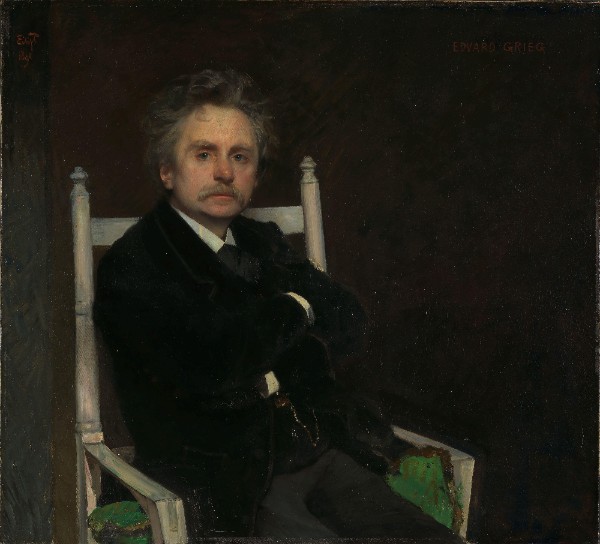
Eilif Peterssen: Edvard Grieg, 1891 (Oslo: National Museum of Art, Architecture, and Design)
Edvard Grieg: In Autumn, Op. 11 (Royal Scottish National Orchestra; Bjarte Engeset, cond.)
Finnish composer Einojuhani Rautavaara (1928–2016) set a text by Toivo Pekkanen for male choir to create Syksy virran suussa (Autumn at the River Mouth). The birds bid farewell to the summer trees: gulls, skerries, and wild seabirds scream in the autumn storm that will uproot their familiar trees, as wild waters signal the coming of the freezing winter.
Einojuhani Rautavaara: Syksy virran suussa (Autumn at the River Mouth) (YL Male Voice Choir; Matti Hyökki, cond.)
Czech composer Vítězslava Kaprálová (1915–1940) wrote Dvě Kytičky (Two Bouquets) in 1935, choosing two very different bouquets: the first is a Small Bouquet of Violets, and the second, a bouquet of fallen leaves. As with many of these pieces, it’s a melancholy reminiscence.
Vítězslava Kaprálová: 2 Kytičky (2 Bouquets of Flowers): No. 2. Podzimní listí (Autumn Leaves) (Giorgio Koukl, piano)
We’ll close with another version of Kosma’s song to a lost love.
Joseph Kosma: Autumn Leaves (arr. R. Robertson for male choir) (The King’s Men)
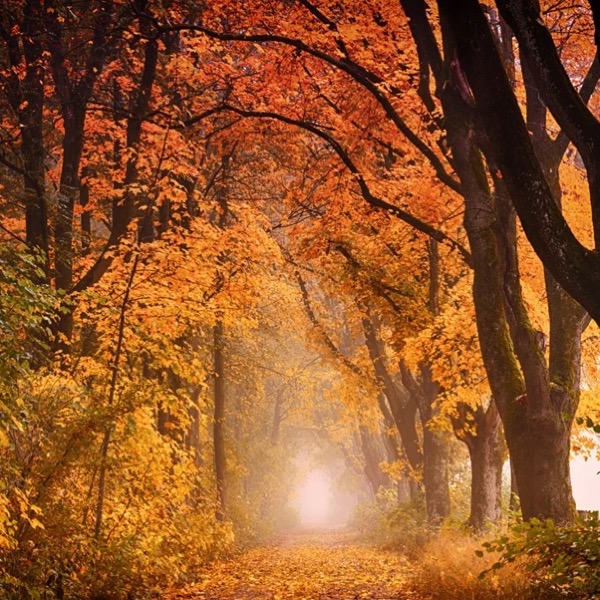
The Light at the End of Autumn is Winter
The leaves colour and fall, and we think of what we’ve lost, how the seasons change, and how time passes. We sigh.
For more of the best in classical music, sign up for our E-Newsletter