
Cosima Liszt was the illegitimate daughter of the Hungarian pianist and composer Franz Liszt and his mistress, Marie, Comtesse d’Agoult. In order to continue his independent lifestyle — he also forbade contact between mother and daughters — Franz placed Cosima,
In essence
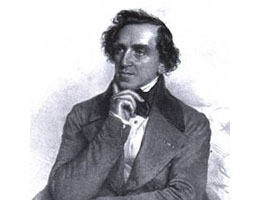
Giacomo Meyerbeer followed the tremendous financial and artistic success of Robert le diable with another blockbuster. Les Huguenots, five years in the making, dramatically staged the bloody events of the St. Bartholomew’s Day massacre in Paris in August of 1572,
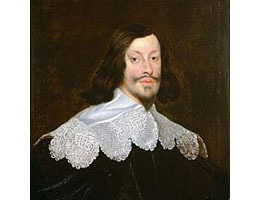
Johann Jakob Froberger, Lamentation faite sur la mort tres douloureuse de Sa Majeste Imperiale, Ferdinand III Ferdinand III, Jesu Corona Virginum Lamentations — songs, poems or pieces of instrumental music expressing grief, regret, or mourning — represent some of the
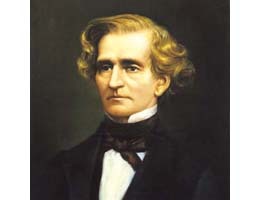
On December 11, 1803, Hector Berlioz (1803-1869), who might be considered one of the fullest embodiments of the Romantic Movement, was born in a small provincial town in the French Alps. In his memoirs, he detailed with great clarity and
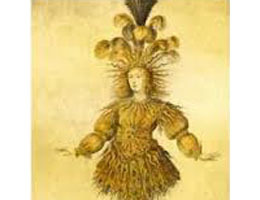
Jean-Baptiste Lully Marche des Mousquetaires du Roy de France Trios pour le coucher du Roi For countless centuries, monarchs, royalty and nobility carried cognomens, that is, nicknames appended either before or after their real names. Frequently these monikers made reference
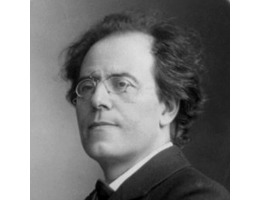
In November 1901, Gustav Mahler (1860-1911) first met Alma Schindler, Vienna’s most eligible Bachelorette. Stepdaughter of the painter Carl Moll, Alma took painting lessons from Gustav Klimt and composition lessons from Josef Labor and Alexander Zemlinsky, with whom she also
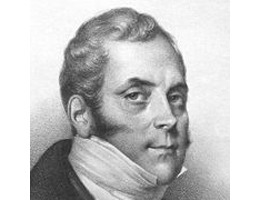
During his tenure in Magdeburg (1834-6) and Riga (1837-8), Richard Wagner rehearsed and conducted the opera La muette de Portici (The Mute Girl of Portici). Composed by Daniel François Esprit Auber to a libretto by Augustin Eugène Scribe — one
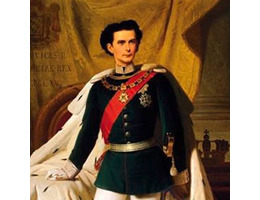
Having been unceremoniously evicted from Mr. Wesendonck’s Zürich property, Richard Wagner aimlessly wandered around Europe. He was clearly depressed, as none of his grand musical ambitions had yet been realised, and as usual, he had no money. He had also