The new recording by pianist Bruce Levingston, The Elastic Heart of Youth, takes its title from a quotation from Mark Twain’s Tom Sawyer: ‘The elastic heart of youth cannot be compressed into one constrained shape long at a time’. He’s just been turned down by his love (of the moment), Becky Thatcher, and so decides to run away and become a clown, a soldier, an Indian, a pirate… The Black Avenger of the Spanish Main!
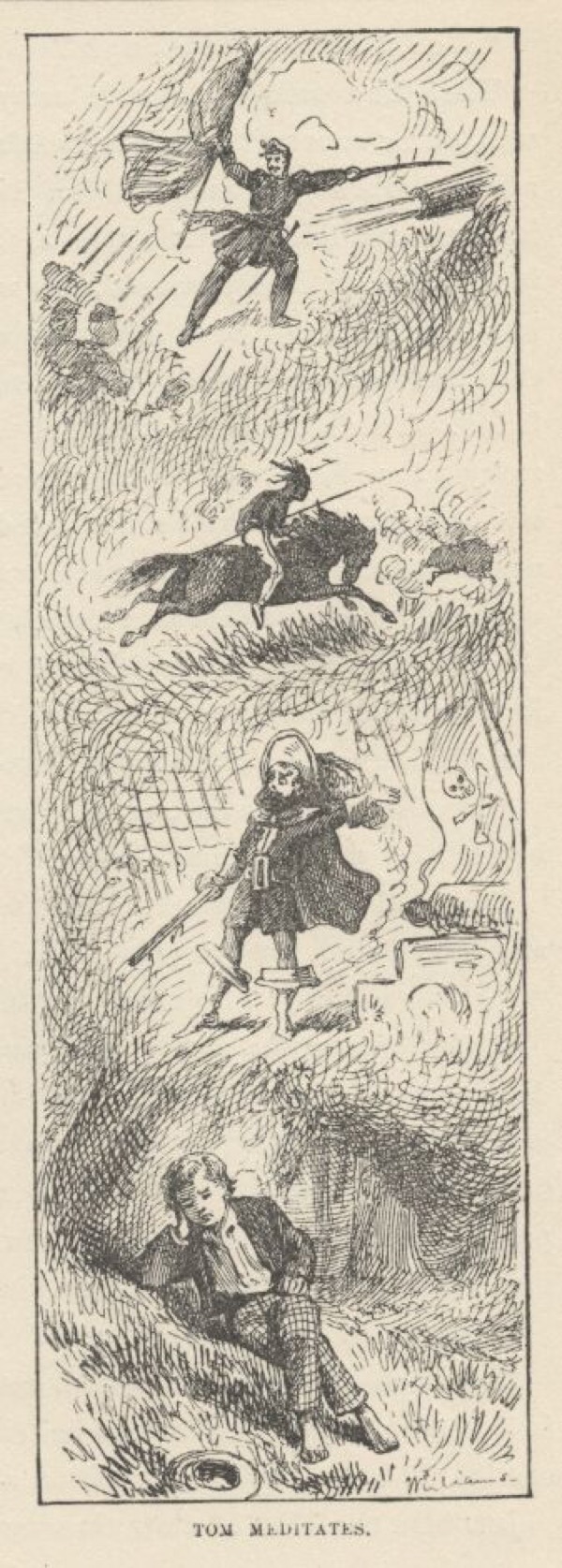
Tom Meditates on his Future, 1884 (Project Gutenberg)
And so on this album, we range over time and space from Baroque Italy to modern-day America to find our own Elastic Heart.
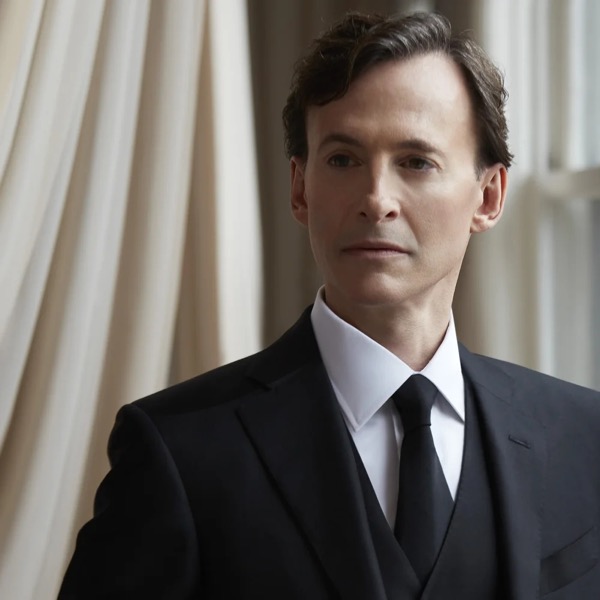
Bruce Levingston (photo by Tony Notarberadino)
The album opens in Finland with a selection from Sibelius‘s The Trees. The final tree, the Spruce, a storm in the treetops settles into a calming sunset.
Jean Sibelius: The Trees, Op. 75/5 – Le Sapin
This piece sets us up for the contrasting progression of the rest of the album: tension and release, stillness and motion, and loss and restoration.
Leoš Janáček‘s two-movement piano sonata, which is entitled simply with a date: 1.X.1905, and subtitled From the Street, gives us the story of a tragic encounter between police and protesters. A riot about the creation of the first Czech-language university led to the suppression of the protest by the police. At the end, carpenter František Pavlík was dead, bayonetted for his actions. Janáček quickly wrote a 3-movement work, which had its premiere in January 1906. Janáček himself destroyed the final movement, a funeral march. In I. Presentiment and II. Death, the tragedy is memorialised.
American clinical psychologist and composer Augusta Gross gives us Solace and the courage to be calm and to let renewal start.
Three works by Claude Debussy take us to a world of light and colour. From 12 Études, we have an exercise in arpeggios, but because this is Debussy, it’s less a dutiful practice in finger motion than a delightful dance. The Girl with the Flaxen Hair, from Debussy’s Préludes, Book 1, is a piece of quiet happiness. Suite bergamasque‘s Clair de lune, as an homage to the moon remains immortal.
Jumping back in time to the 1780s, we have W.A. Mozart‘s Fantasy in D minor, K. 397, where he creates a piece that seems almost improvisatory in its inspiration. The change to D major resolves the opening ‘recitative’, if you can consider it like that, into a light-hearted aria. Left incomplete at Mozart’s death, it was completed by August Eberhard Müller, although without the flourishes that Mozart usually completed in his fantasies.
Jumping further back in time to Domenico Scarlatti and his Sonata in D minor, K. 213, part of the enormous collection of 555 keyboard sonatas written for the court of Spain and Princess, then Queen Maria Barbara. The Sonata has a very old-fashioned feel to it and harkens back to Scarlatti’s time in Venice. Youthful joy and the voice of experience counter each other.
Missy Mazzoli’s The Elastic Heart of Youth, which gives this album its name, closes the collection. All of the album’s ideas come together in a celebration of life. Nothing will keep us down, and a new idea is the same as a new life.
As a collection of disparate works, Levingston’s new album is one that makes us think. Are we tied to the past and our old duties, or can we think about the future and its optimistic potential? Levingston’s playing is assured and interesting, giving us a way to consider the world around us.
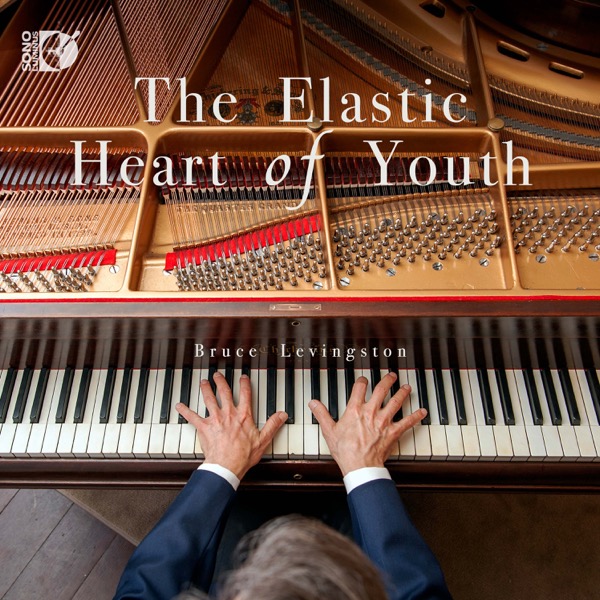
Bruce Levingston: The Elastic Heart of Youth
Bruce Levingston, piano
Sono Luminus DSL-92289
For more of the best in classical music, sign up for our E-Newsletter