
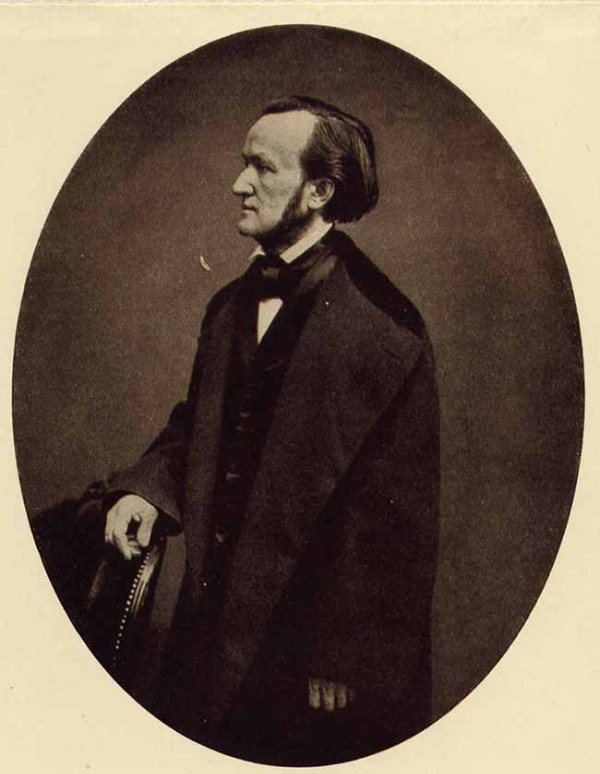
As soon as Richard Wagner had put the finishing touches on Lohengrin on 28 April 1848, he became embroiled in the stirrings of the 1848 Revolutions. He delivered a fiery speech, denouncing the evils of money and speculation, which he
Wagner
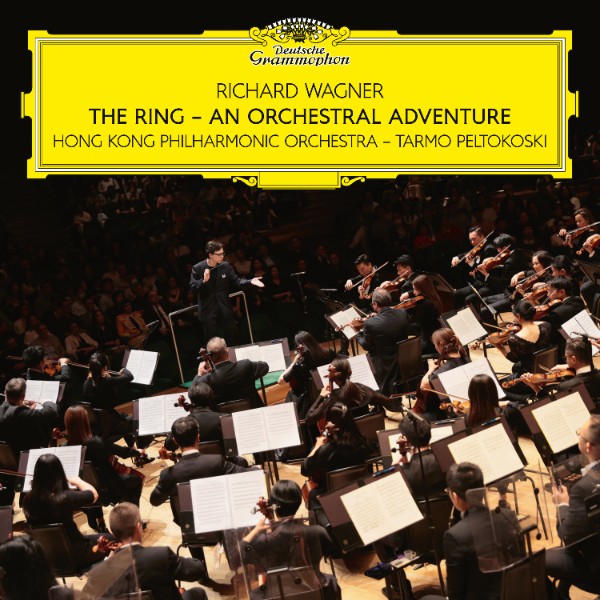
Henk de Vlieger’s arrangement of the entirety of Wagner’s Ring Cycle, as The Ring: An Orchestral Adventure, isn’t the first reduction of the multi-hour extravaganza into an orchestral form, but it is one of the nicest. Written in 1991, it
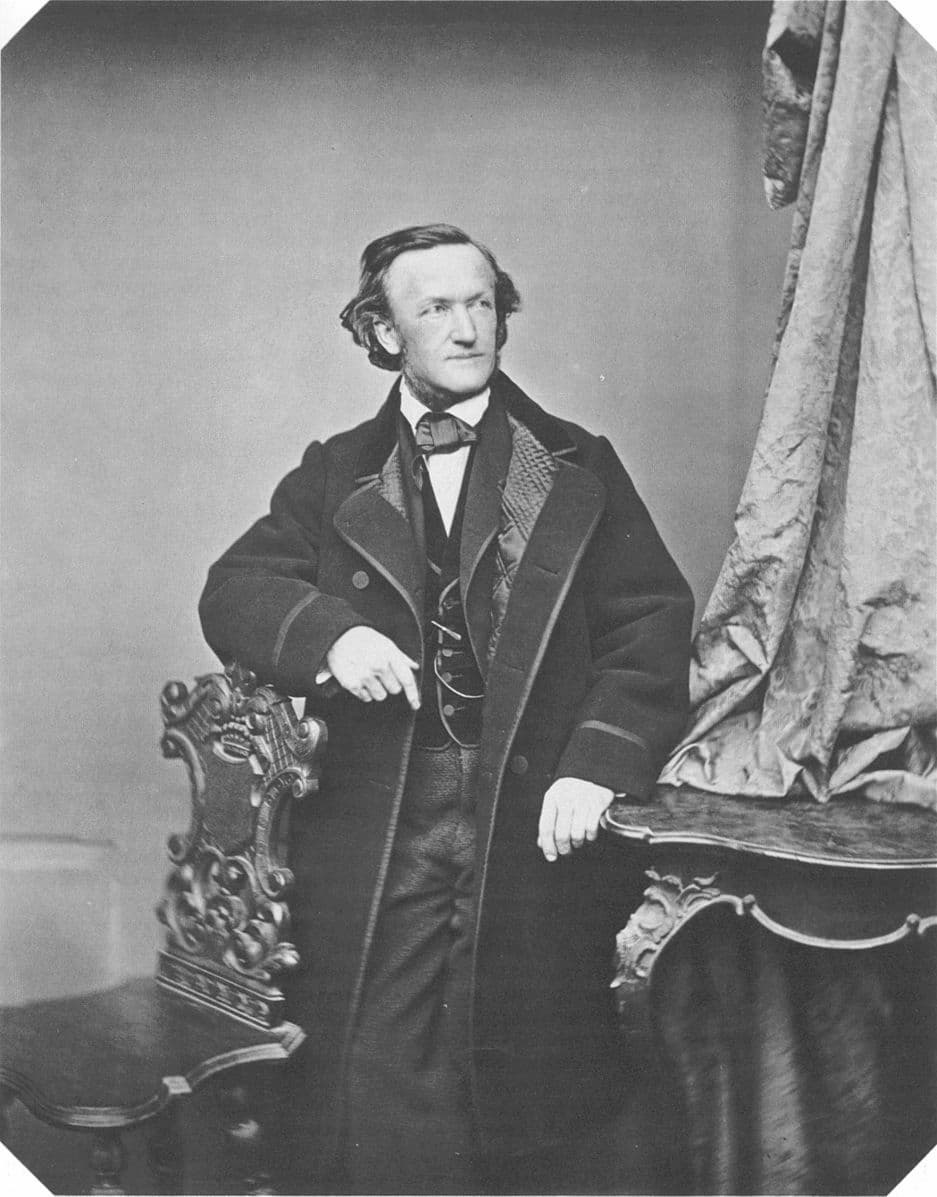
Few composers in history have left behind a legacy as massive and scandal-ridden as Richard Wagner. Today, he is remembered for revolutionising opera with works like Tristan und Isolde, Parsifal, and the Ring Cycle. But offstage, Wagner’s life was a
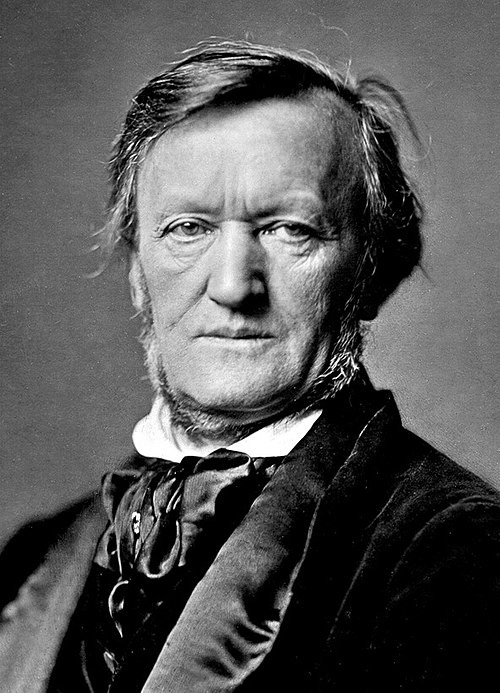
Richard Wagner was the manliest of composers. He was a titan who looked at opera and demanded more gods, added dragons, and maidens to guard the cursed gold. Wagner’s stories are not dainty salon entertainments; they are mythic endurance tests

Born into scandal as members of musical royalty, Richard Wagner and Cosima Liszt’s three children – Isolde, Eva, and Siegfried – carried not only the Wagner name, but the weight of the entire family legacy. From bitter feuds and courtroom
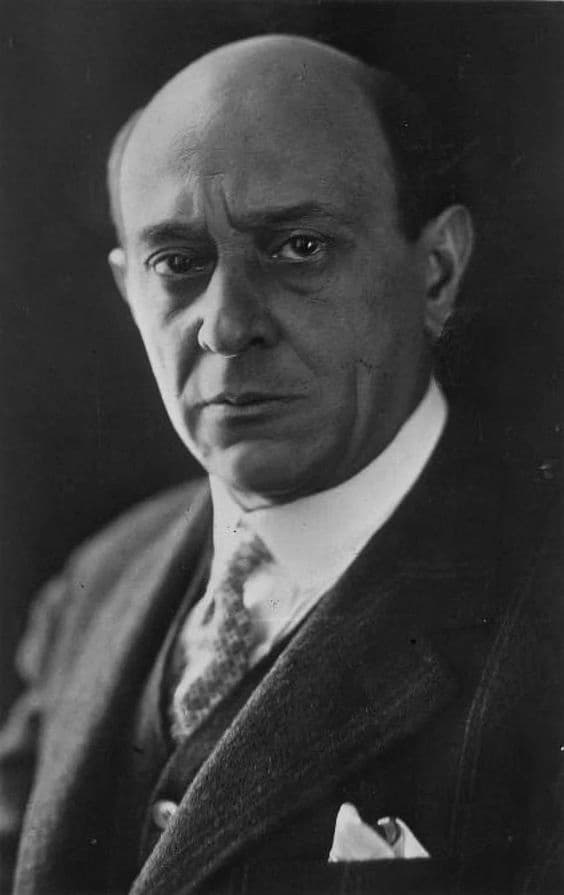
In a previous article, we looked at how Debussy, Satie and Ravel changed the direction of music, one would say, forever. If they were all contemporaries of each other, and interacting with each other would have directly influenced the development
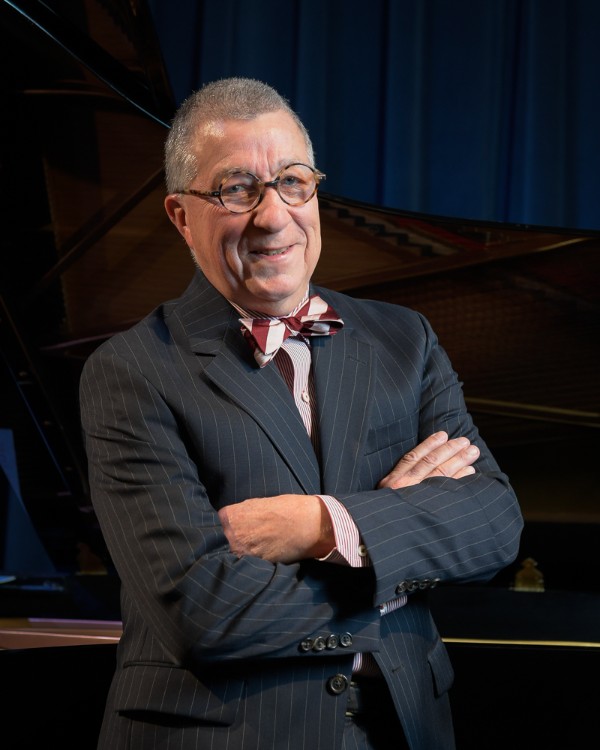
The past is a different country, and sometimes this becomes clearest in the most unexpected places. We spoke recently with Lani Spahr, who did the audio restoration on the recent SOMM Recording Siegfried Wagner Conducts Richard Wagner, taking recordings made
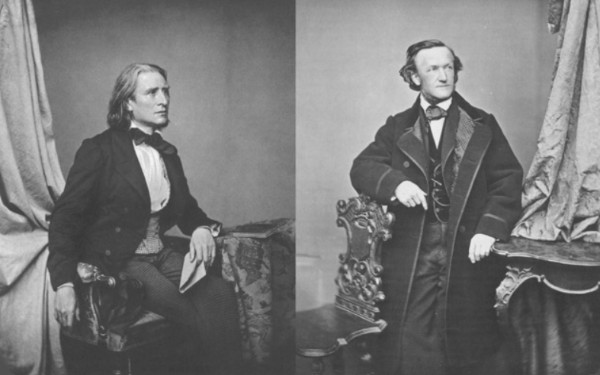
In 1841 in Paris, Richard Wagner awkwardly introduced himself to Franz Liszt. The two men were close in age: Wagner was twenty-eight and Liszt was thirty. However, their career trajectories could not have been more different. Liszt had been a