
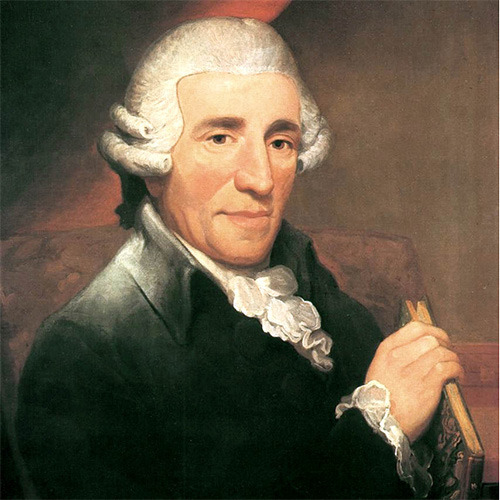
Joseph Haydn was highly successful in his musical profession and the business aspects surrounding it. Yet, his personal life was somewhat of a mess. Under contract with Count Morzin, Haydn fell in love with Therese Keller. However, once he secured
In essence

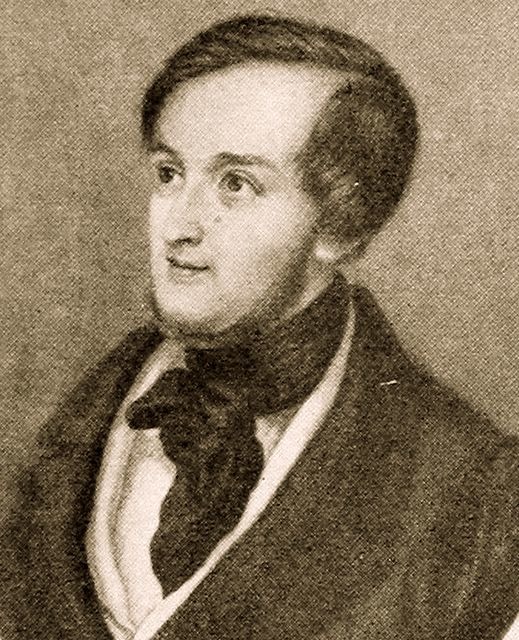
In the early 20th century, ballet impresario Sergei Diaghilev changed the way he put on ballets: he would now commission original scores. Not only that, but for one of his first ballet productions, it would be based on a new
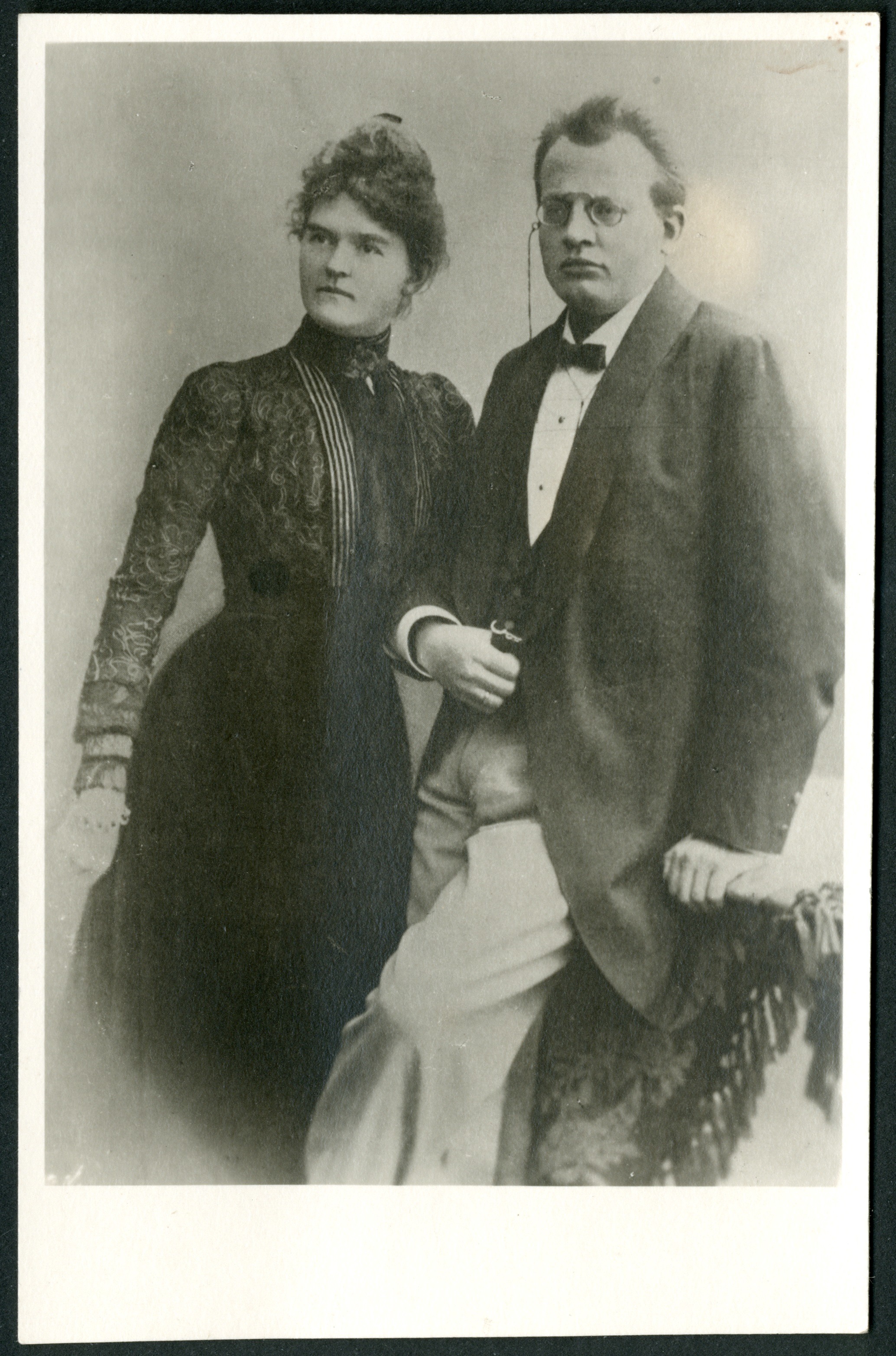
Love, it is said, knows no boundaries! Too bad somebody forgot to tell the Catholic and Protestant Churches! You see, the German composer Max Reger was Catholic and the light of his eyes, Elsa von Bercken, was not only divorced
“Minors of the Majors” invites you to discover compositions by the great classical composers that for one reason or another have not reached the musical mainstream. Please enjoy, and keep listening!
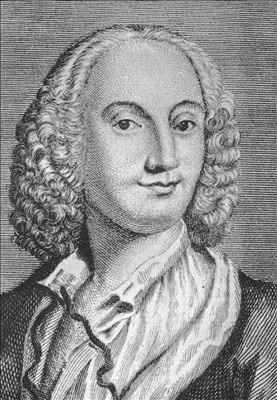
An impresario working in the late 17th century was solely responsible for running all the artistic and business matters of the theater. He rented the house, negotiated and signed contracts with everyone connected with productions. Singers, instrumentalists, technical staff and
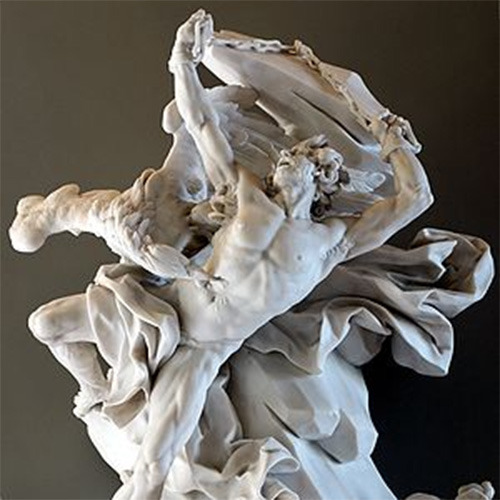
We don’t often think of Beethoven as a composer for the ballet – as an original composer, that is, rather than having his music used in later times for ballet. In 1801, however, Salvatore Viganò (1769-1821) came to Vienna and
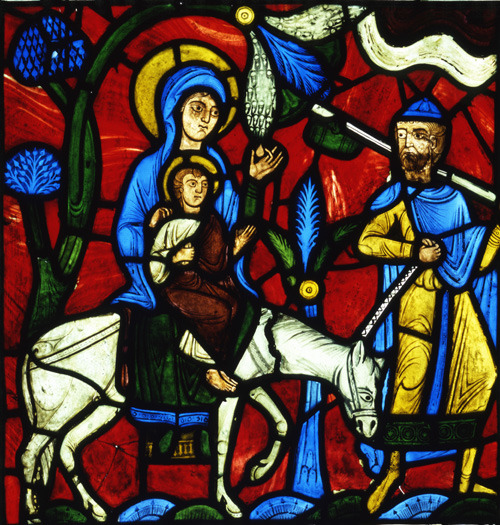
Ottorino Respighi (1879-1936) started working on his Tre Preludi sopra melodie gregoriane (Three Preludes on Gregorian Melodies) in 1919, finishing them in 1921. His wife, Elisa Olivieri-Sangiacomo, had brought Gregorian chant to his attention.
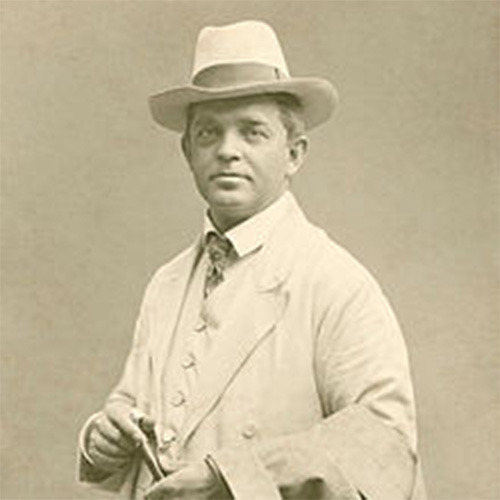
One of the fundamental beliefs of Greek medicine, and one that extended up to the 19th century and the beginnings of modern medicine, was that of the four humours that regulated the body. The four humours were the four liquids