
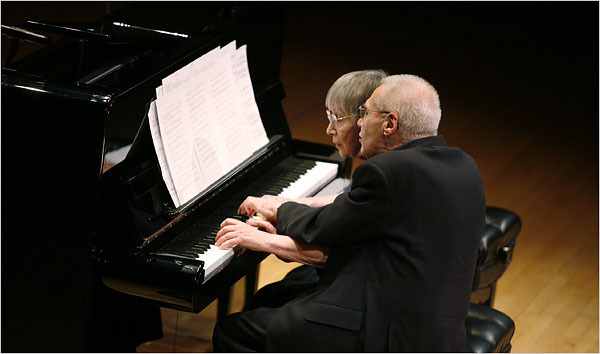
For the Hungarian composer György Kurtág, who celebrates his 90th birthday in 2016, two women have played a pivotal and decisive role in his personal and professional life. During his studies at the Ferenc Liszt Academy of Music in Budapest
In essence
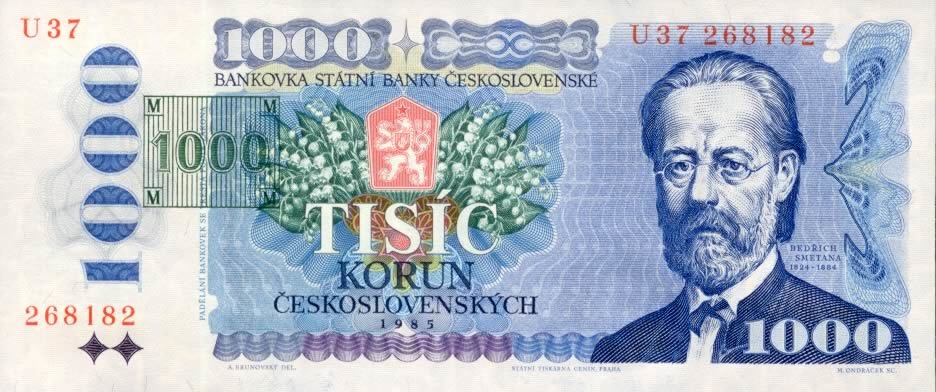
“Minors of the Majors” invites you to discover compositions by the great classical composers that for one reason or another have not reached the musical mainstream. Please enjoy, and keep listening!
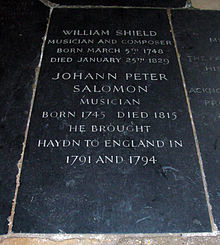
King Edward the Confessor started to rebuild St. Peter’s Abbey—today known as Westminster Abbey—between 1042 and 1052 to provide himself with a royal burial church. And thus he started a tradition that saw most Kings and Queens of England, at

In 1926, the composer György Kurtág was born in the town of Lugoj, a Hungarian/German settlement that was ceded to Romania by the treaty of Versailles in 1919. Growing up at a cultural and linguistic crossroads, it’s hardly surprising that
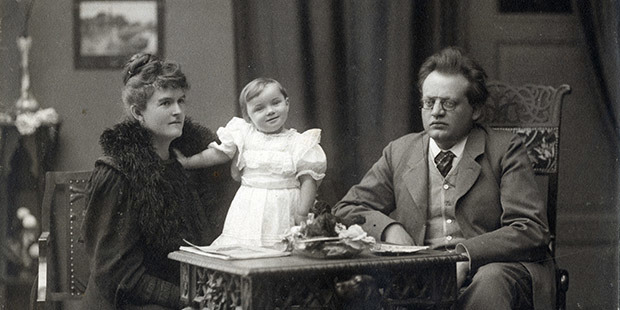
Throughout the turbulent and highly emotional times of courtship and early marriage, Max and Elsa Reger could steadfastly rely on the support of Auguste von Bagenski, Reger’s mother in law. Auguste had taken an immediate liking to Max, and even

In the quest for ever more precise measures of time, German inventor Johann Maelzel perfected an earlier invention and created the metronome, a machine with which musicians could regulate their speed. For composers, it meant that they could move away
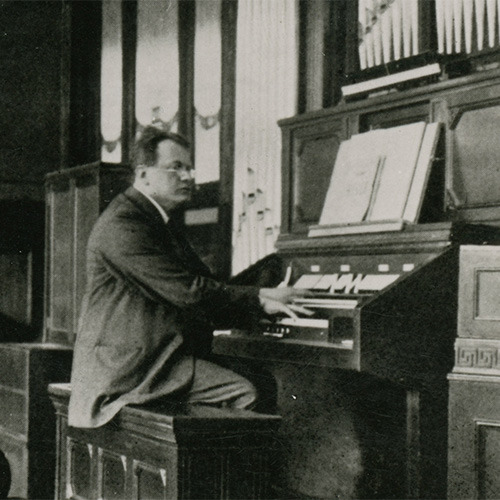
Already a skilled pianist and organist, young Max Reger (1873-1916) saw performances of Meistersinger and Parsifal during his first Bayreuth pilgrimage. “When I heard Parsifal for the first time, as a fifteen-year-old, I cried for two weeks, and then I
“Minors of the Majors” invites you to discover compositions by the great classical composers that for one reason or another have not reached the musical mainstream. Please enjoy, and keep listening!