
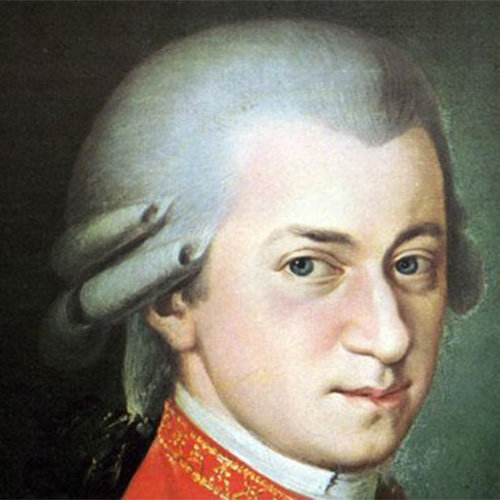
The name “Mozart” is almost universally associated with the musical genius of Wolfgang Amadeus. However, Wolfie was not the only Mozart with significant musical talent, just take a quick look at his father. Johann Georg Leopold Mozart (1719-1787) was a
In essence
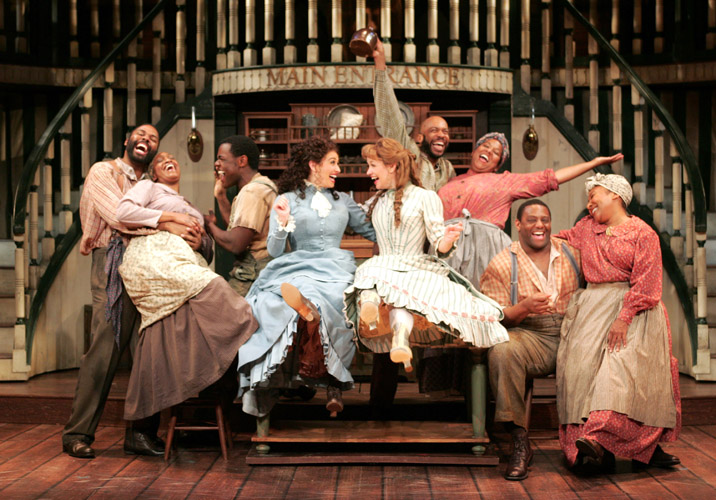
The jubilant title of this series reflects so much of what we love about musicals: catchy songs, bright melodies, and great sounds all around. The history of the musical (musical comedy, musical play) begins with the first applications of music
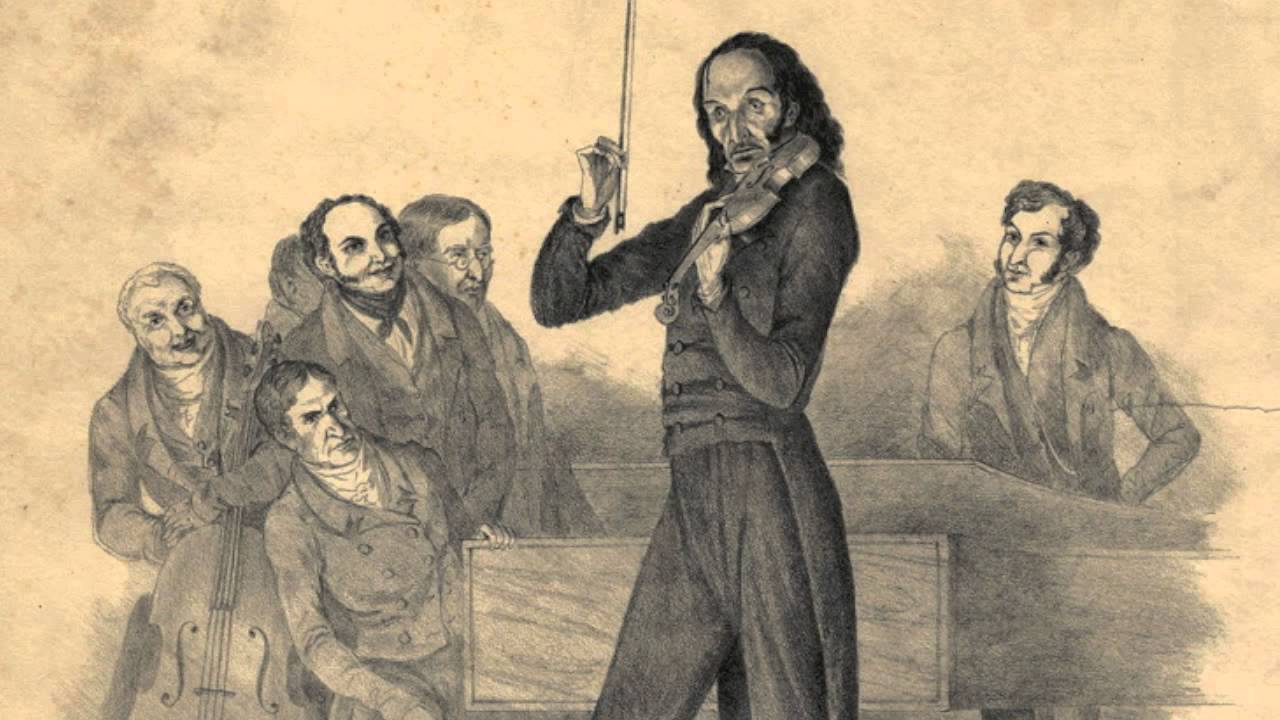
Niccolò Paganini had patiently confined his concert activities to Italy for almost 20 years before setting out to conquer various European capitals. Initially he appeared in Vienna and Franz Schubert excitedly reported, “We will never hear his like again!” He
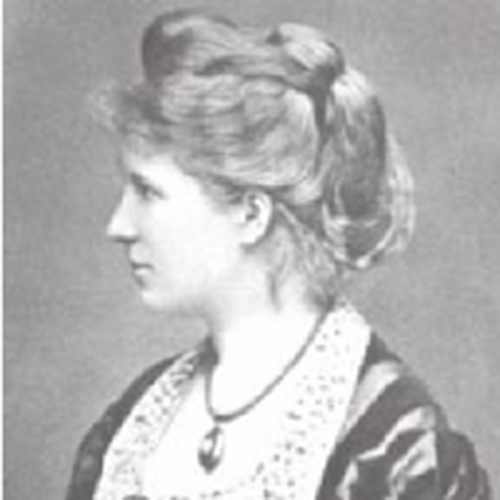
Elisabeth von Stockhausen was born in Paris in 1847. Her father served as the Hanoverian ambassador, and had been a student of Chopin. In 1853 the family moved to Vienna, and Elisabeth took lessons from Julius Epstein, at that time
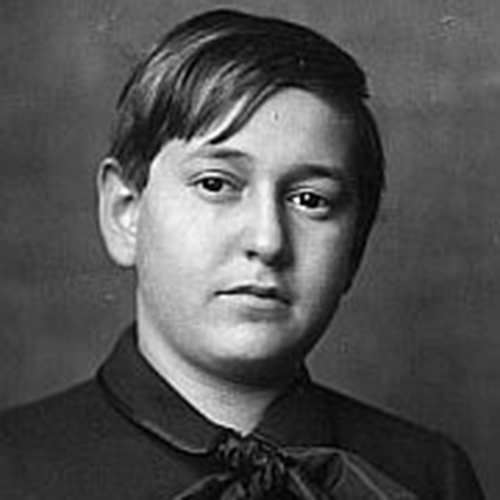
After the rousing success of his opera Die tote Stadt, Erich Wolfgang Korngold was at the height of his European fame. With a libretto by his father Julius—penned under the name of Paul Schott—the opera dominated theatrical stages and became
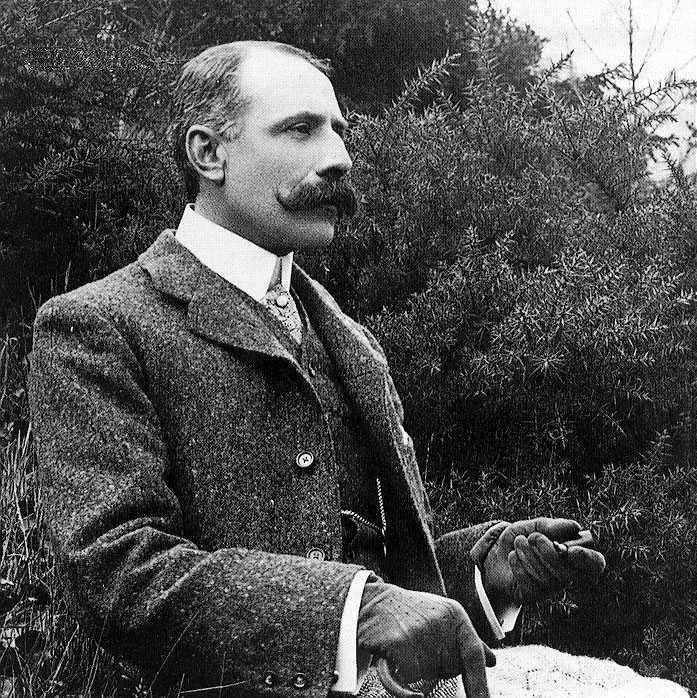
You don’t often think of Edward Elgar and Richard Strauss in the same way, but they were connected through the idea of the symphonic poem. Strauss’ symphonic poems such as Till Eulenspiegel and Don Quixote are well known but Elgar’s
Niccolò Paganini (1782-1840) almost single-handedly established a new brand of performing musician, the touring virtuoso. In a brilliant strategy of self-promotion, he even circulated the rumor that he had sold his soul to the devil in exchange for his uncanny
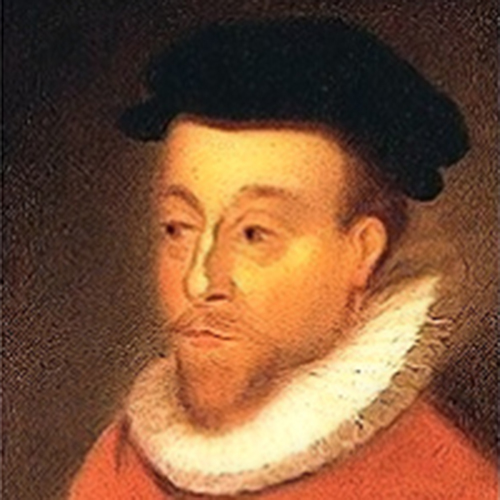
Orlando Gibbons (1572-1625) was born in Oxford, son of a town wait—essentially a town musician whose duties included playing his instrument for the townsfolk, welcoming Royal visitors, and leading processions on civic occasions. William Gibbons moved back and forth between