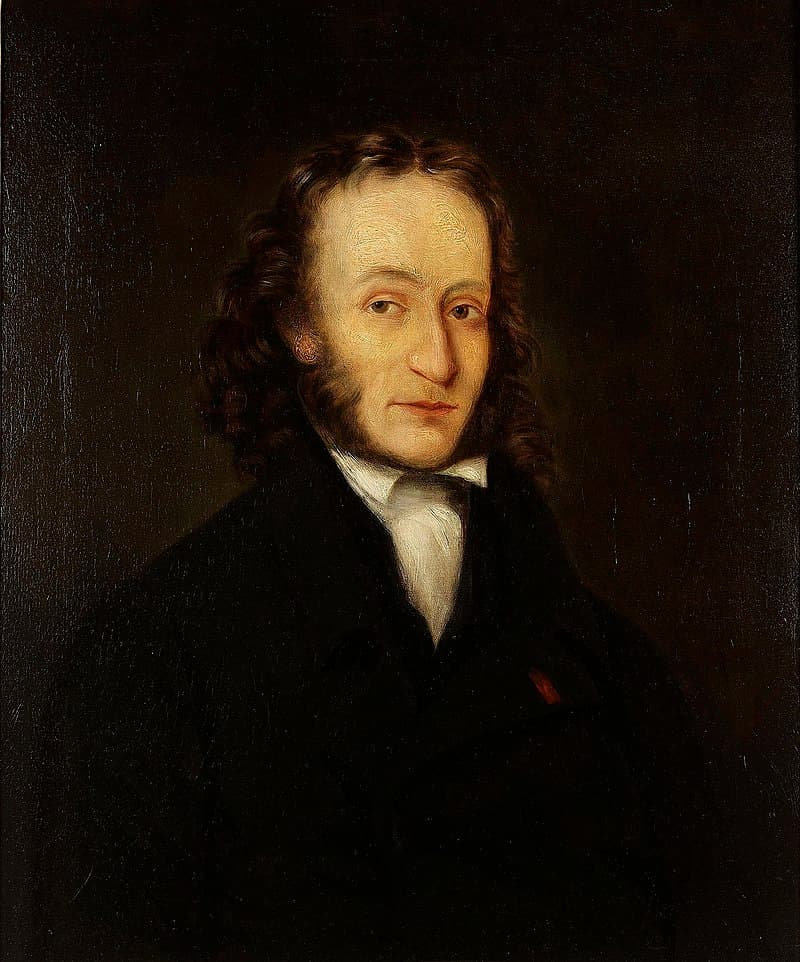
Franz Liszt (1811–1886) was the original piano superstar. He had the looks and the locks, all paired with theatrical flair and fingers that moved at blazing speed. He was the prototypical musical showman, but behind his flamboyant public demeanour was
Paganini
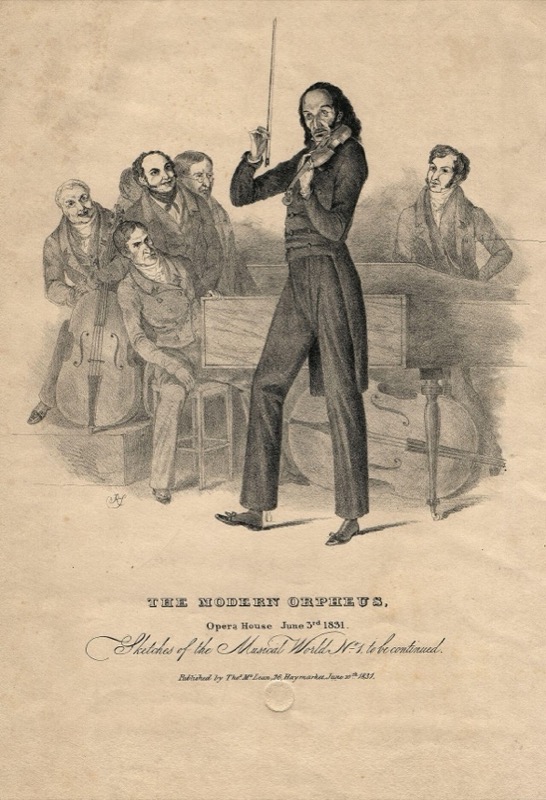
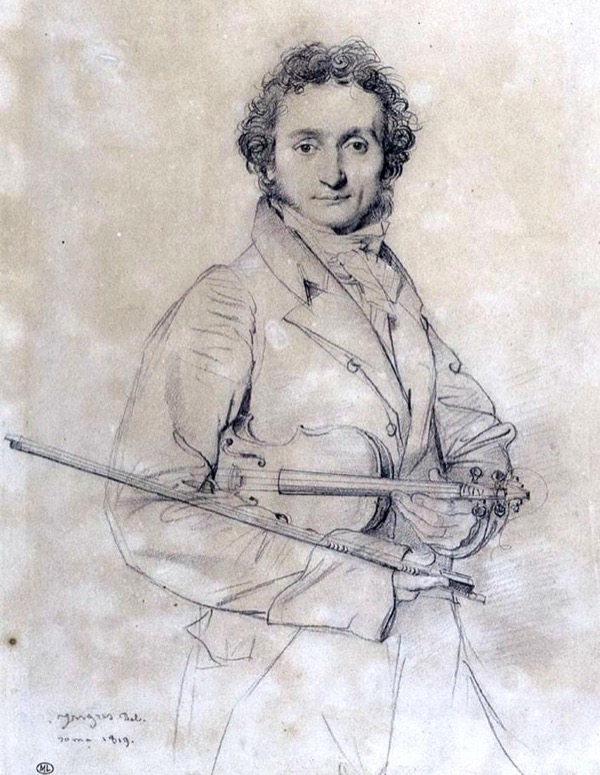
A major turning point in Niccolò Paganini’s life came in the summer of 1825, when his illegitimate son, Achilles Paganini, was born. His relationship with Achilles’s mother was, for all intents and purposes, over by the time the baby arrived,
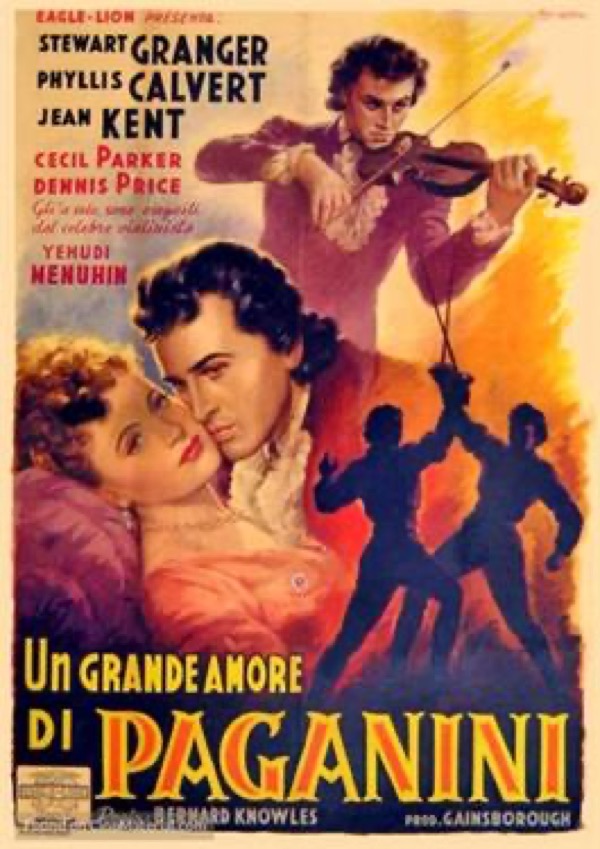
Nowadays, the music of violinist Niccolò Paganini has largely fallen out of fashion, save among violin nerds. But Paganini was one of the earliest icons of the Romantic Era, and he lived a colourful life to prove it. In 1946,

In the afternoon of 27 May 1840, the greatest violinist the world had ever known died at the age of 57. Niccolò Paganini had revolutionised violin technique and essentially invented the concept of the virtuoso performer. His legendary 24 Caprices,
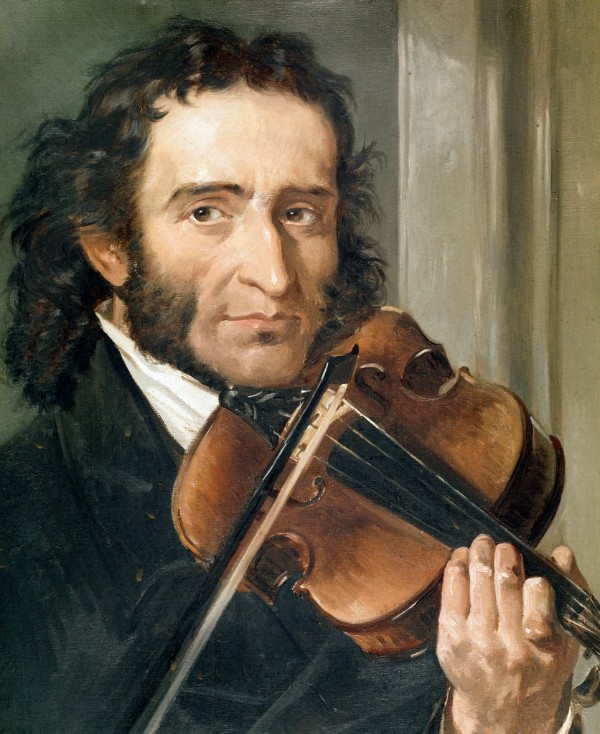
The prevailing image of Niccolò Paganini immediately brings his thunderous violin concertos to mind. Hardly surprising, as they are such wondrous orchestral spectacles where Paganini tamed the instrument like a wild stallion. And let’s not forget the legendary 24 Caprices,
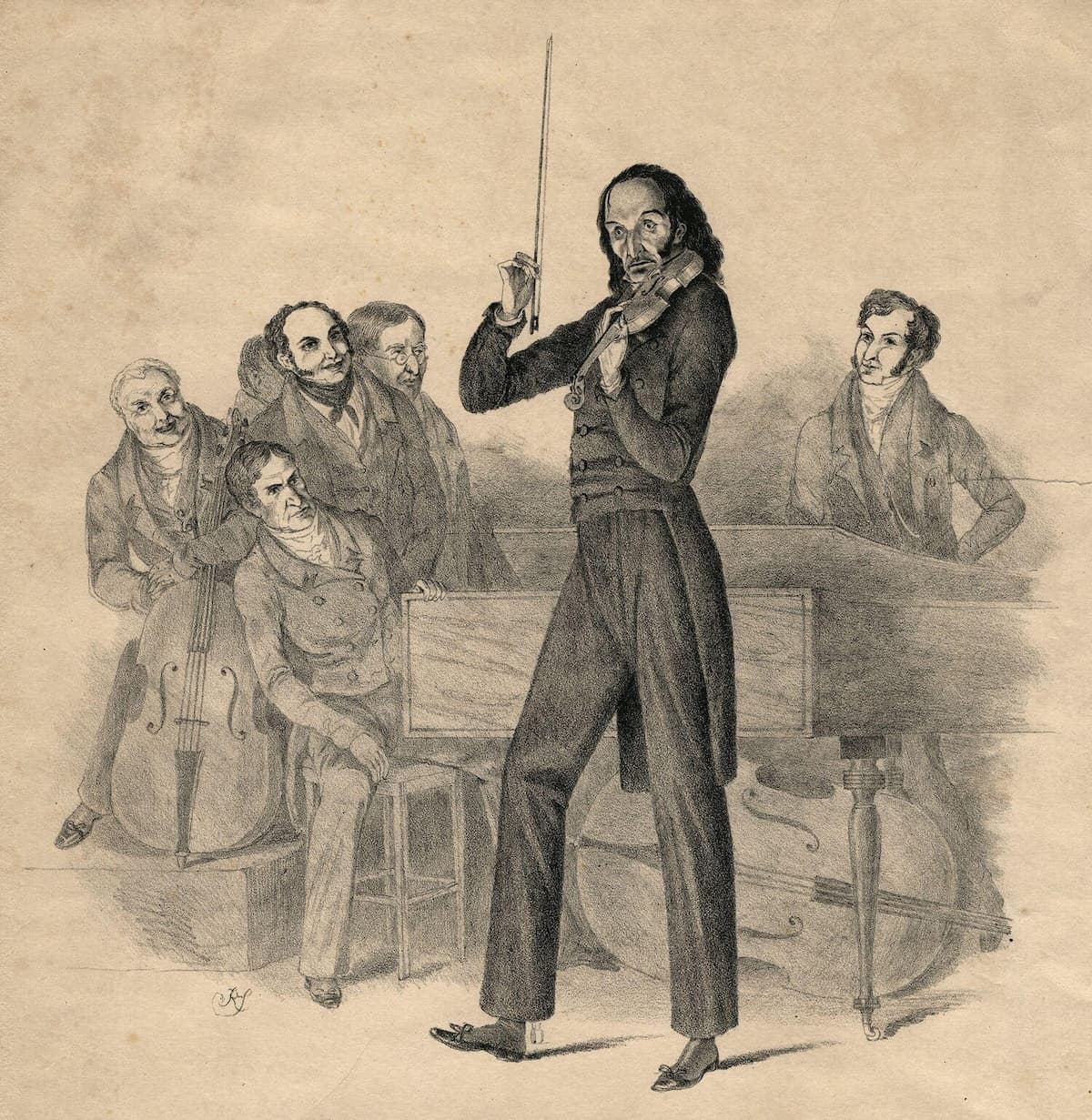
In the 19th-century concert hall, Niccolò Paganini emerged like a figure plucked from a dark fairy tale. His tall, gaunt frame was cloaked in black, with his long jet-black hair trailing like a shadow. He moved with quiet intensity, and
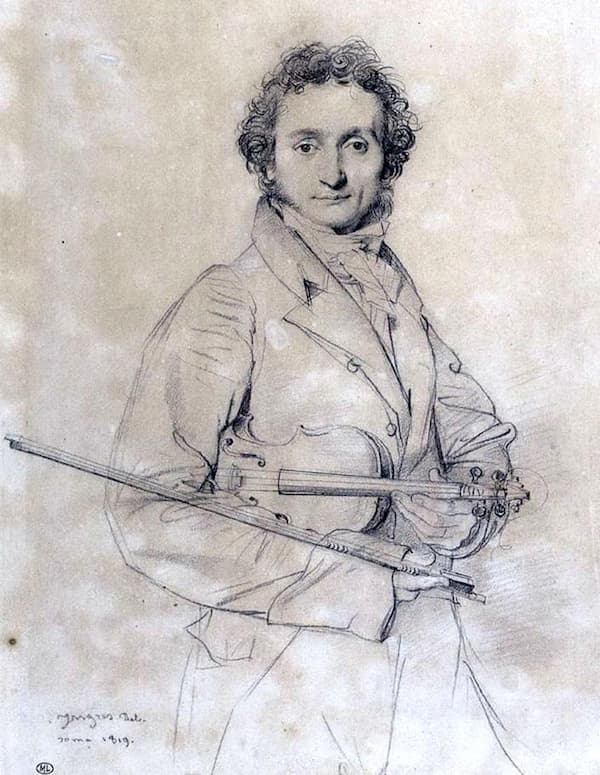
The demon violinist, Niccoló Paganini (1782–1840), the most celebrated violin virtuoso of his day and who is still known today, wrote a set of 24 caprices for solo violin between 1802 and 1817. The caprices (meaning ‘a sudden and unaccountable