
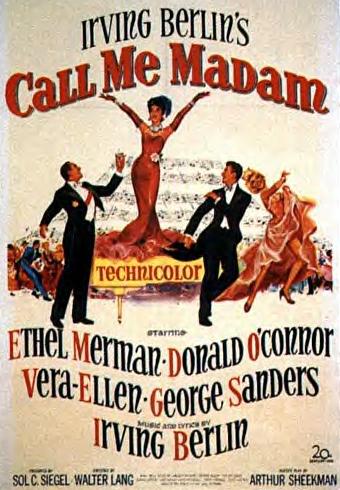
The post WWII era saw more social topics being taken up in the musical such as social injustice, union-busting, and racism, it also saw the introduction of international settings that were normal rather than fantastical.
In essence
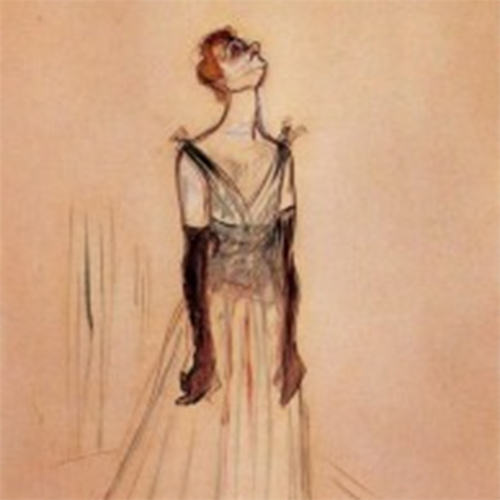
Around the turn of the 20th century, the French cabaret was a gathering place for the artistic and literary elite. It projected social and artistic ideals and was widely imitated through new establishments and touring performers. Among the traveling stars
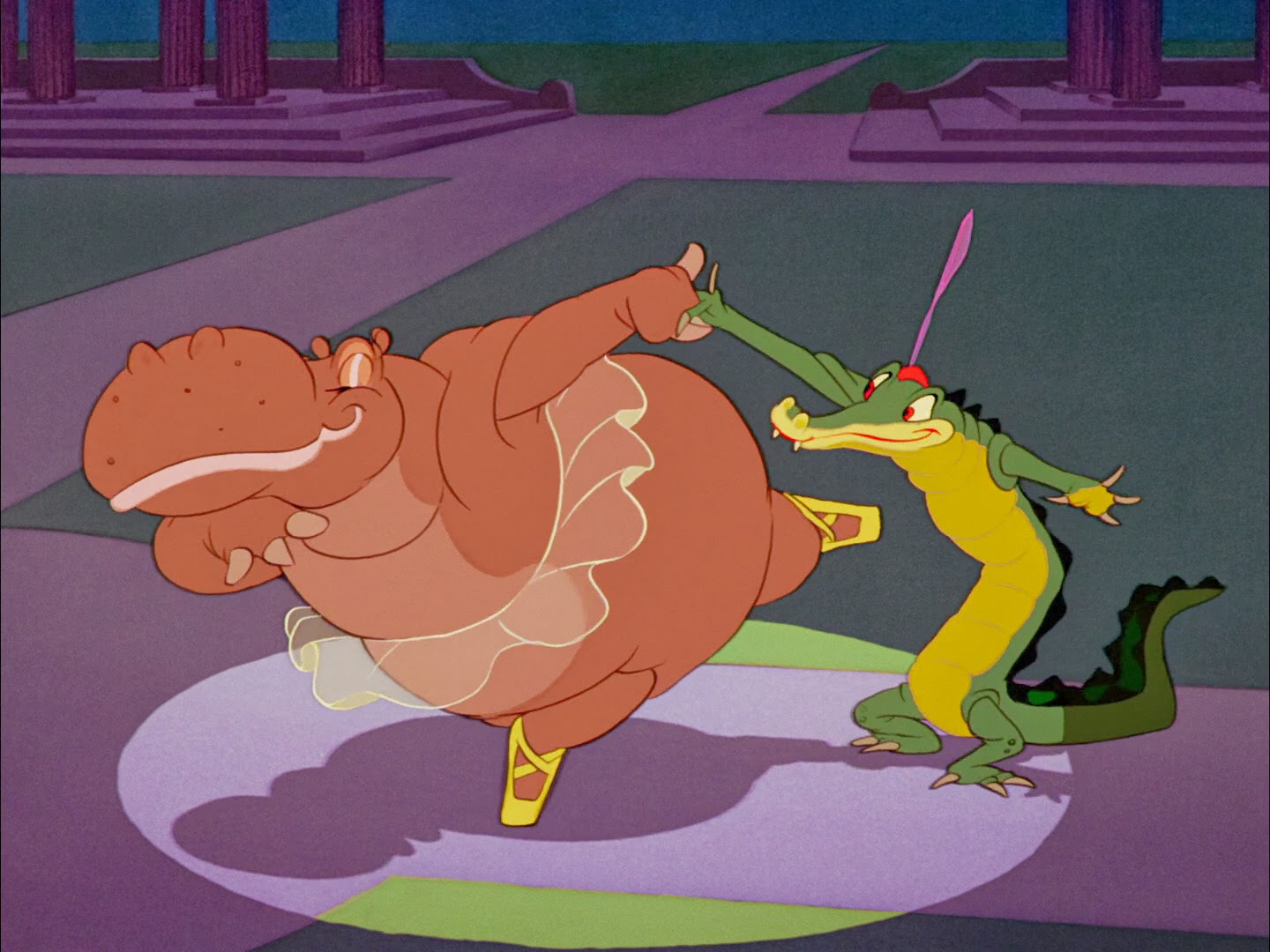
One of the wonders of animation in the 1930 and ‘40s was the breadth of classical music. Walt Disney took this seriously in Fantasia. Intended to be an ongoing series of settings of classical music, the feature-length cartoon (and some
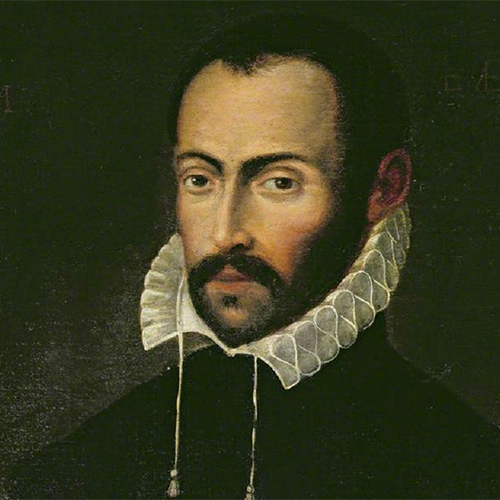
According to popular legend, Orlande de Lassus, born in 1530 or 1532 in the Franco-Flemish province of Hainaut, was abducted three times because of the beauty of his voice! Probably pure fabrication, it nevertheless provides a fictional narrative that explains
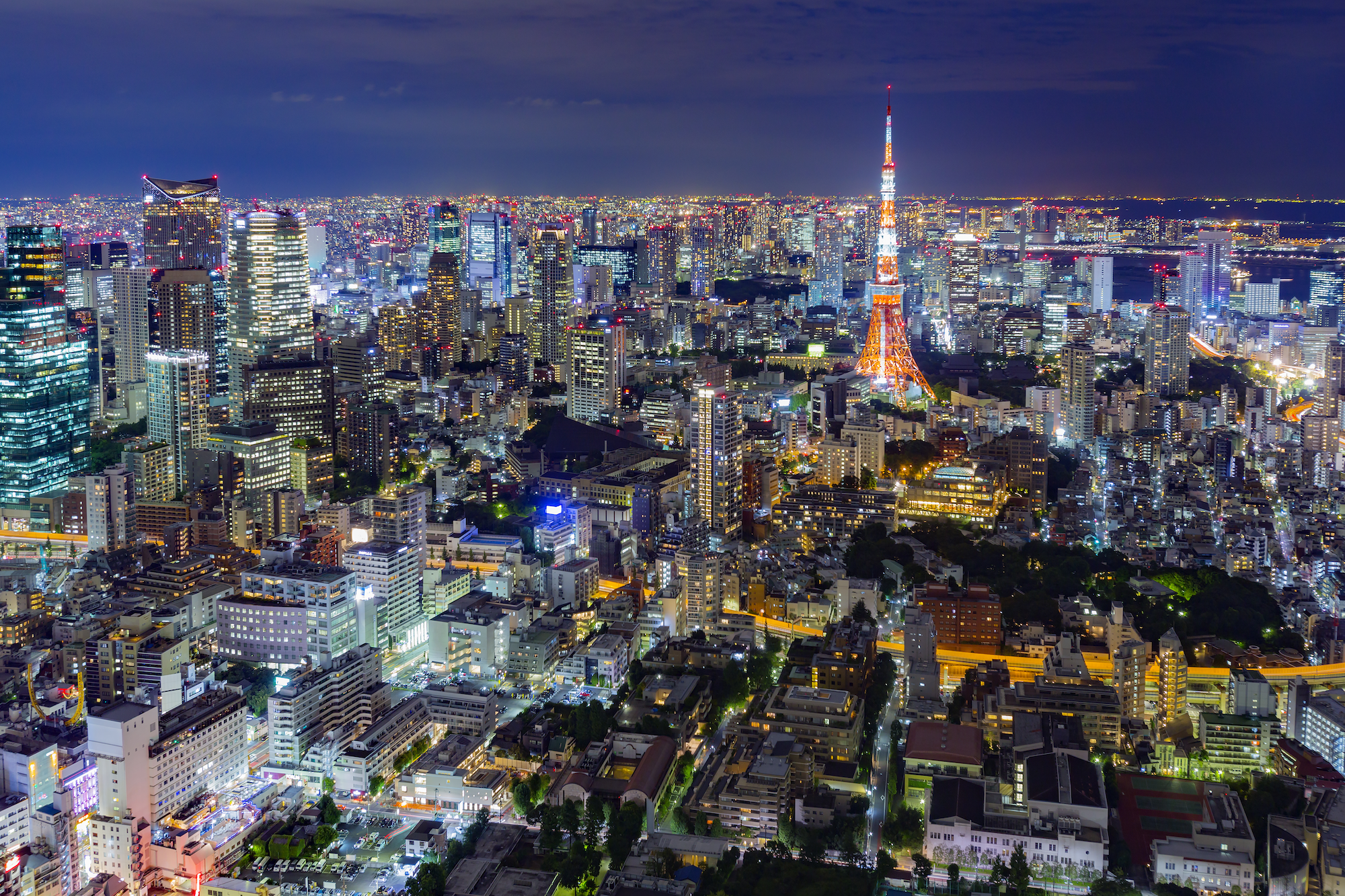
You want to check out the city ahead of the crush of the 2020 Summer Olympics, here’s a bit of travel music to see the city. City sounds, traditional sounds, the modern and the antique are all part of Japanese
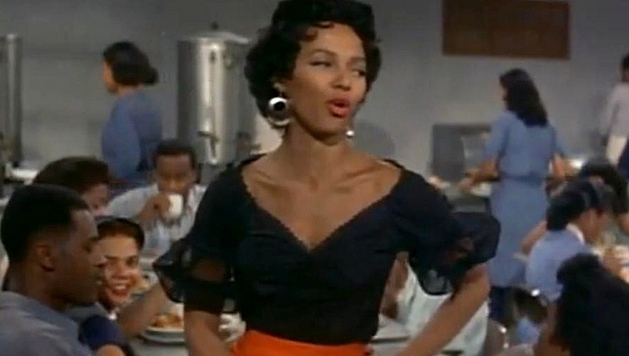
The musical changed during WWII – the themes were less fantastical, the stories were set in more realistic backgrounds, and the international exposure that so many people had during the war made its appearance on the stage.
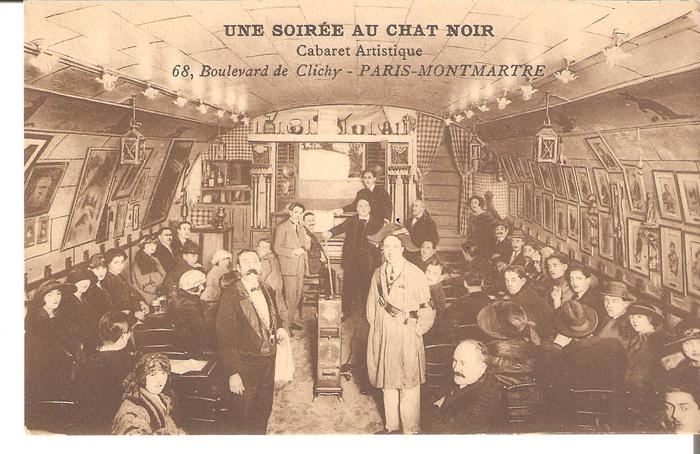
If you were looking for dinner and a song during the Second Empire in France—basically during the reign of Napoleon III from 1852-1870—the Parisian café-concert was the place to be. Providing a combination of food and entertainment that included strolling

Early in his animation career, Walt Disney discovered the importance of using music in his cartoons – his first animation with his new character, Mickey Mouse, was also the first animation to have synchronized sound. The steamboat chugs, Mickey sings,