
The lullaby, a gentle song intended for lulling young and/or ailing children to sleep originated in various folk repertories. It easily crossed into art music not only as a song but also as a short instrumental piece, frequently scored for
In essence
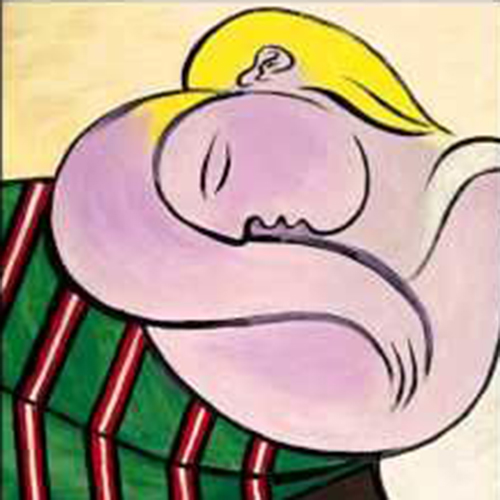
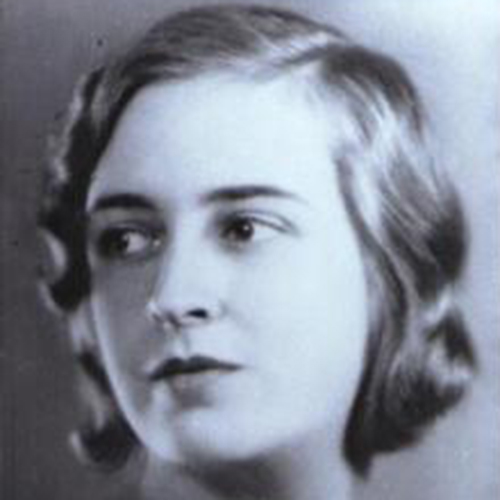
Luise von Sonnenthal (1900-1962) was born into a dynasty of ennobled actors. Her grandfather Adolf Ritter von Sonnenthal was not only Vienna’s most popular classical actor and matinee idol at the Burgtheater, he was also one of the first Jewish
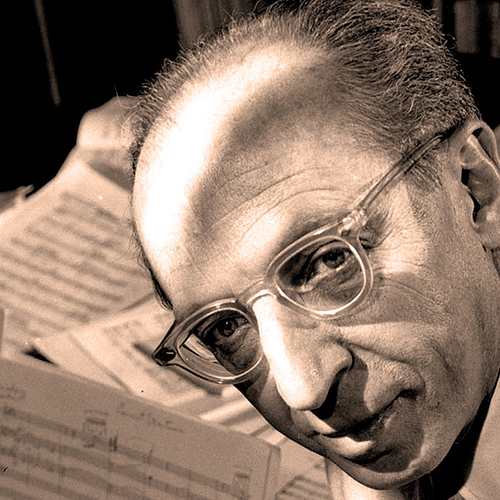
Aaron Copland, son of Polish and Lithuanian emigrants, was born in Brooklyn in 1900 and by the time he was 24, his compositions were already gaining interest. He was Nadia Boulanger’s first American pupil in Paris, laying the groundwork for
What happens when a composer writes a piece of music…and then ends up not liking it? In Part I, we saw how Saint-Saëns, Ravel, and Sibelius dealt with the problem. Now we look at how three more composers did:
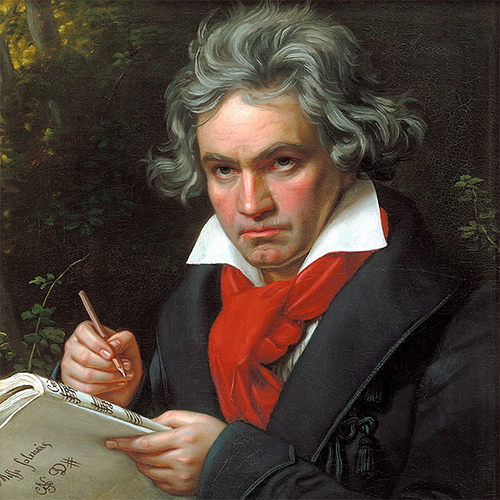
Whether we like it or not, Ludwig van Beethoven was one of the greatest disruptive forces in the history of music. He was a revolutionary man who lived and worked in revolutionary and tumultuous times, and his music exerted tremendous
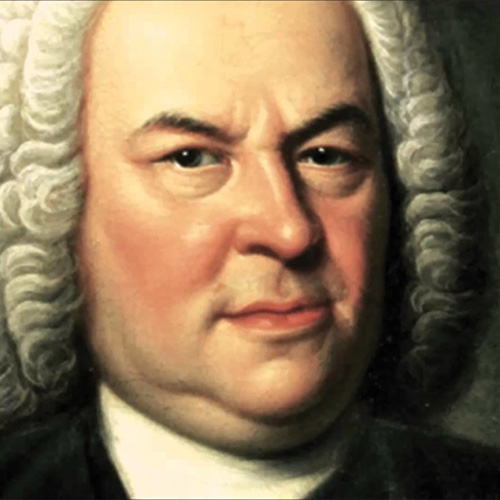
Johann Sebastian Bach was part of an extensive Saxon-Thuringian family that produced an unparalleled and almost incalculable number of musicians. From fiddlers and town musicians to organists, from Kantors, court musicians and Kapellmeisters, member of the Bach family extensively populated
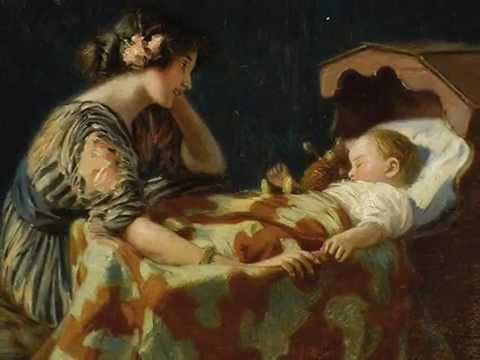
Medical research has clearly shown that infants are active listeners! Their attention is selectively drawn to particular musical genres, and to particular performing styles associated with maternal singing. Regardless of culture and living environment, infants reveal a clear preference for
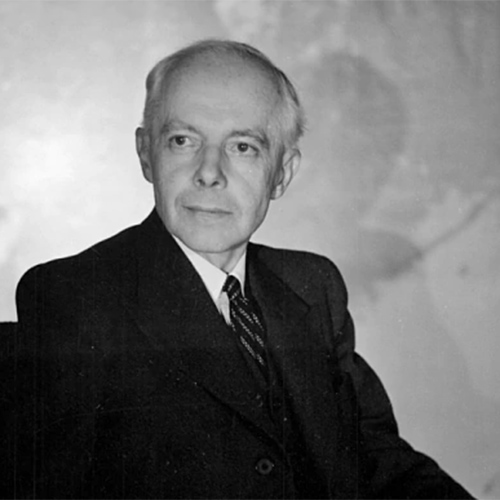
We are most familiar with a ‘cantata’ as a sacred work, usually on a subject from the Bible, that’s written for vocalists. For Béla Bartók to write a work entitled ‘Cantata Profana’ is to write an oxymoron. Yet, if we