
Credit: NPR Classical on Facebook
Explore

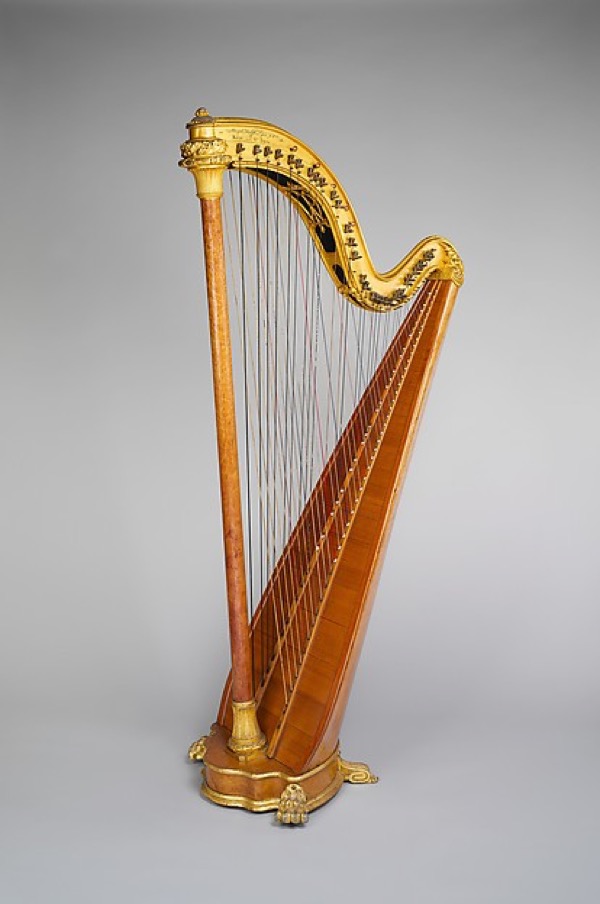
The harp is one of the oldest known string instruments, dating back to ancient Egypt and Mesopotamia. Although we find many different types and models, the basic shape features a triangular frame with strings running between the neck and the
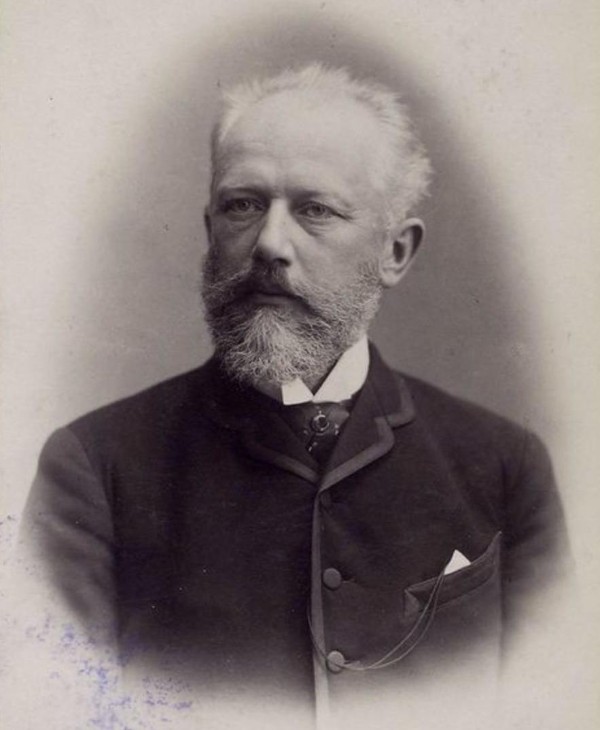
The history of classical music is full of gay composers: men whose sexuality was an open secret, a source of torment, a creative engine, or simply a fact of life they navigated as best they could. We’ve written before about
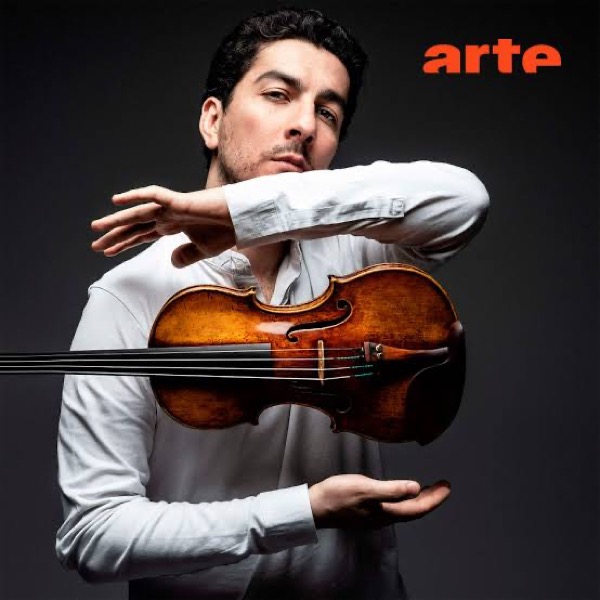
Violinist Sergey Khachatryan, born on 5 April 1985 in Yerevan, Armenia, moved to Germany with his family in 1993. His international breakthrough came remarkably early. He became the youngest winner of the “International Jean Sibelius Violin Competition” at the age
What are the most popular viola performances on YouTube? We looked it up, and here is the answer, as of 2026. These seven performances – ranging from Baroque transcriptions to a viral cat video (!) – have, together, racked up