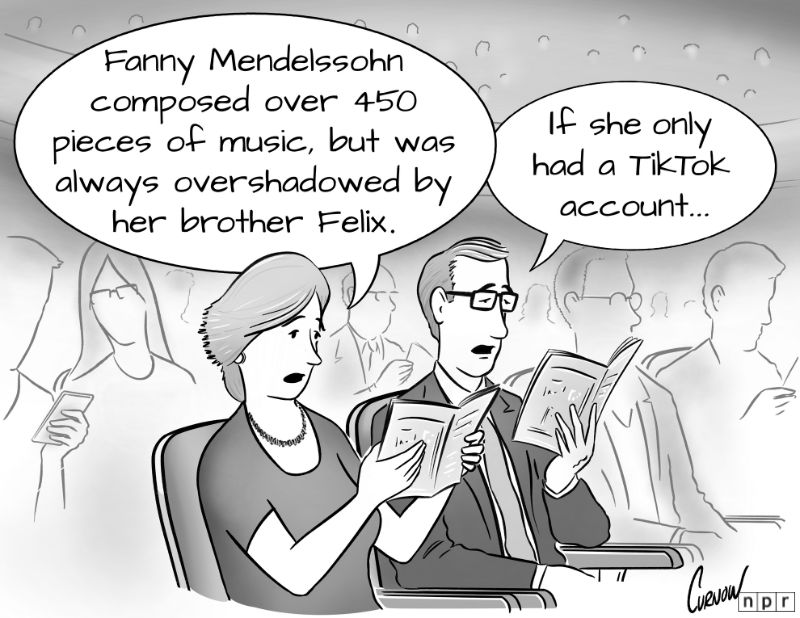
Credit: NPR Classical on Facebook
Explore
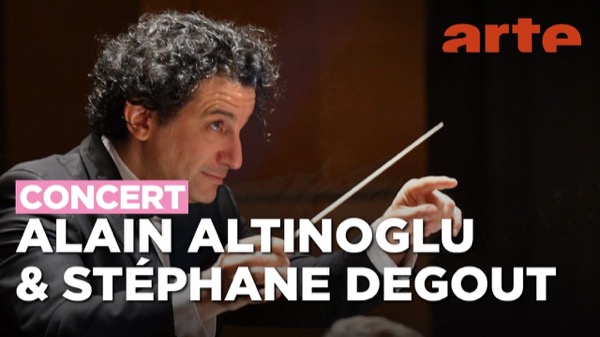
Founded in 1979, the Festival International de Colmar became an international festival in 1989 under the artistic direction of Vladimir Spivakov. Alain Altinoglu took over as artistic director in 2023, continuing the festival’s long tradition and its place as a
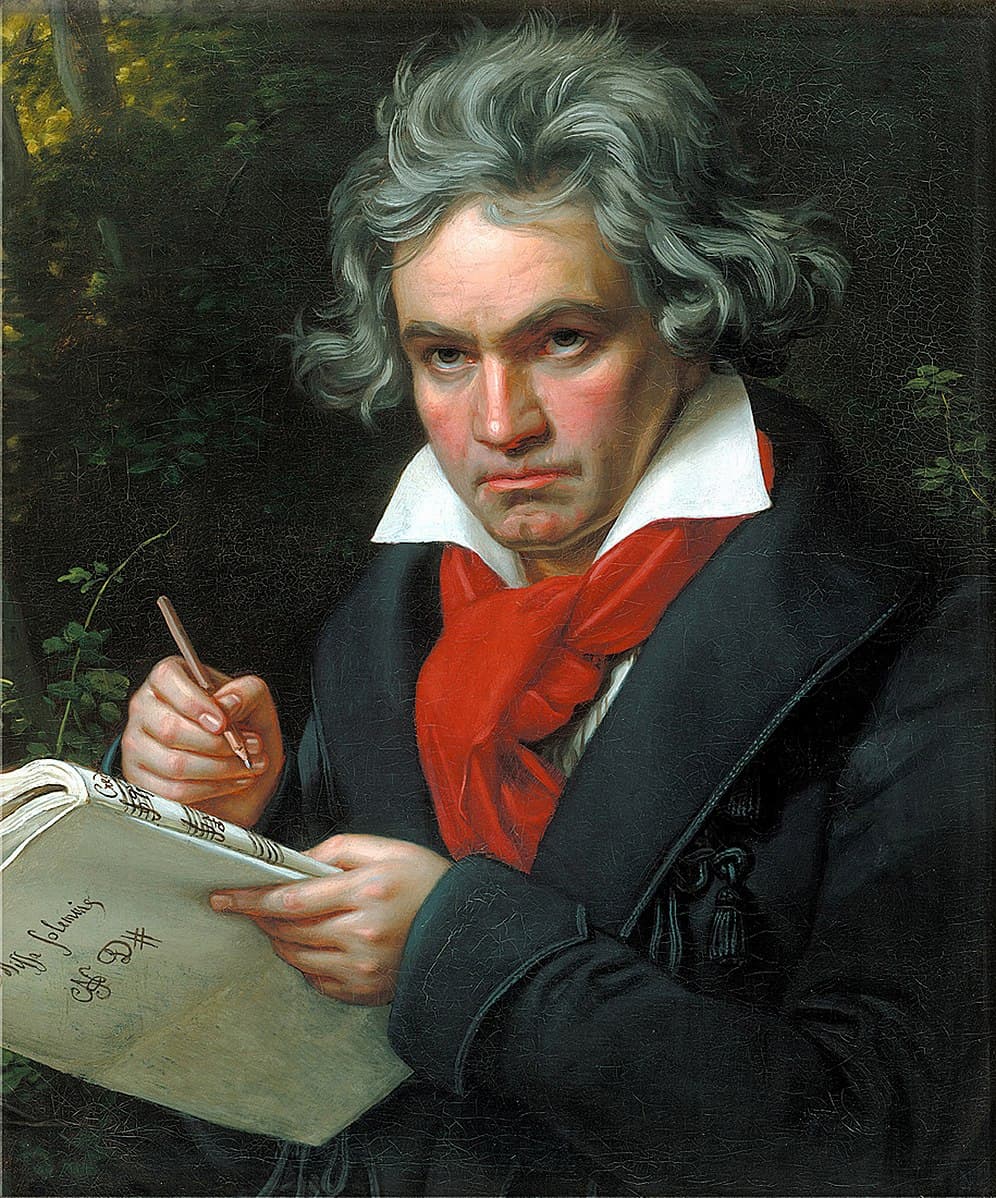
Ten decades, ten concertos – and one long argument about what a violin concerto should be. Today we’re looking back at the musical history of the nineteenth century and deciding which Romantic-era violin concertos best represent their respective decades. In
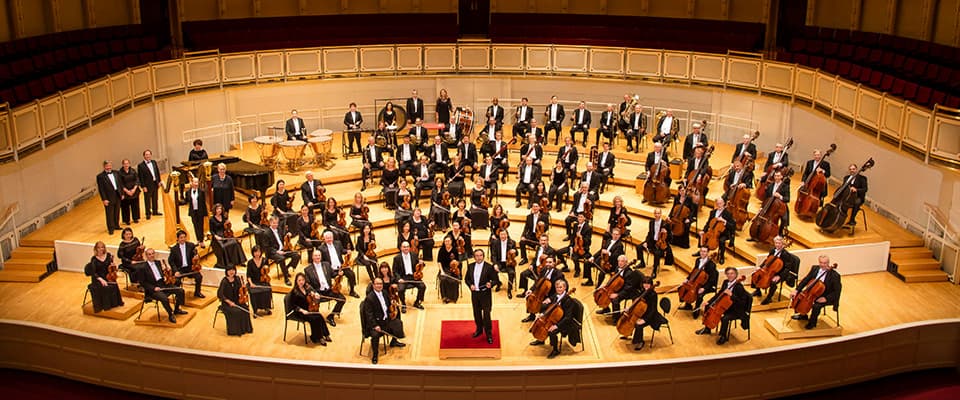
The symphony began as a kind of warm-up act – a short instrumental piece played before a larger work, meant to settle a restless audience. Over the next two centuries, composers turned that warm-up act into one of classical music’s
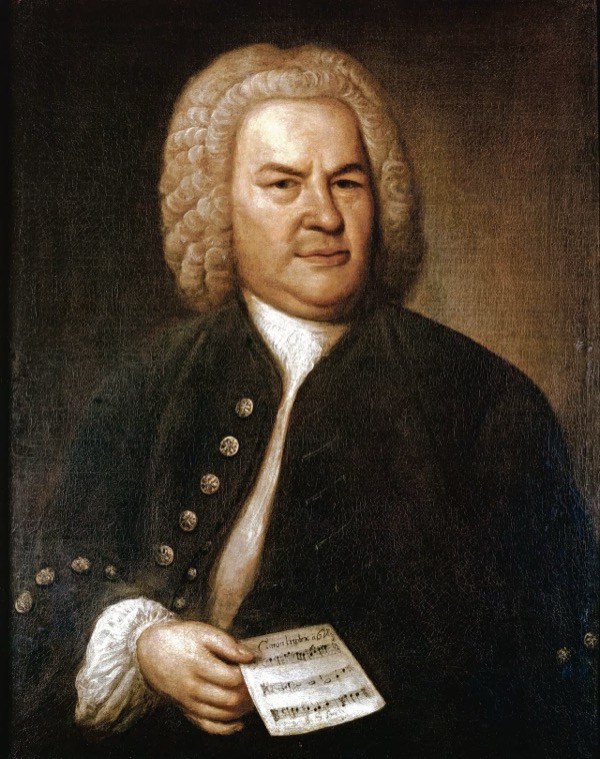
Bach’s Six Sonatas and Partitas for Solo Violin are the Himalayas of the violin repertoire – the phrase is George Enescu’s, and virtually every violinist who has ever attempted them would agree. Written around 1720, they remain the most demanding,