
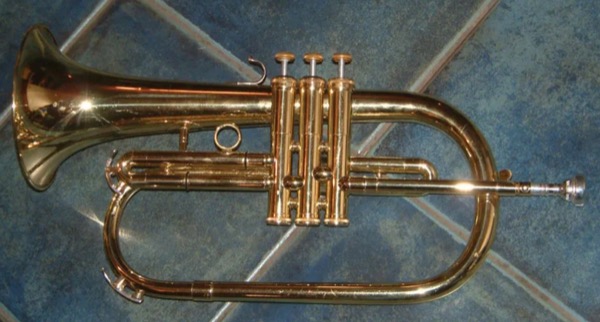
Today we’re looking at one of the most interesting and adaptable instruments in the brass family: the flugelhorn. Flugelhorns have appeared in diverse settings for generations, from Stravinsky and Vaughan Williams to classic 1970s pop records. Its warm and mellow
Blogs
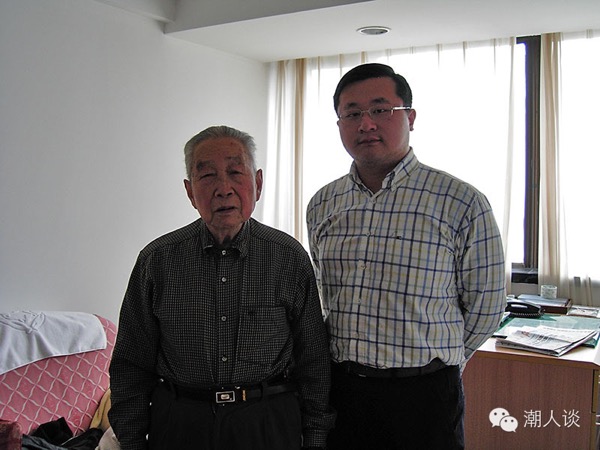
Chen Gang, the Shanghai-born composer whose name is inseparable from the Butterfly Lovers violin concerto, died in Shanghai in the early hours of 18 July 2026. He was 91. The announcement was made by the Shanghai Conservatory of Music, where
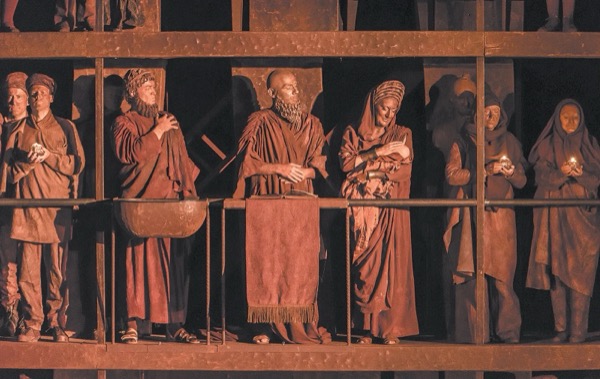
One of the most fascinating and versatile musicians of the first half of the twentieth century, George Enescu composed only one opera. Oedipe would occupy the composer intermittently for more than twenty years, and it eventually premiered at the Paris
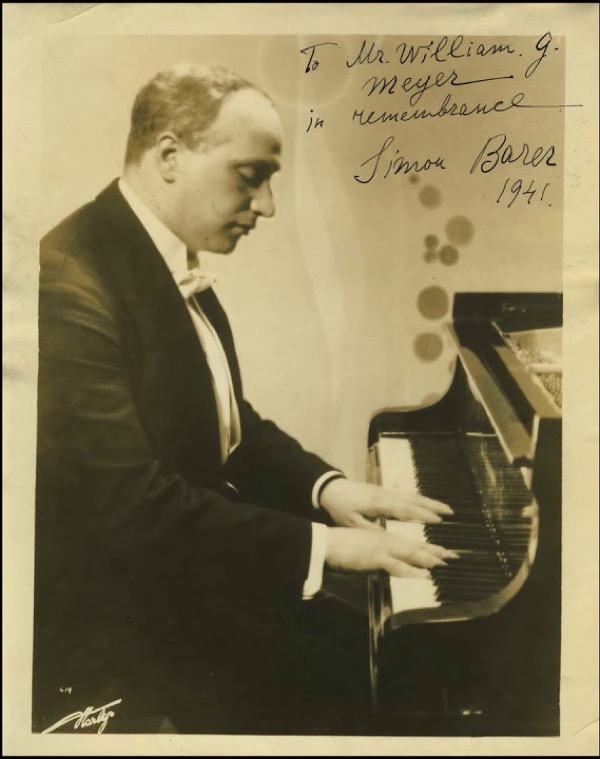
A small number of pianists have died onstage or collapsed at the keyboard, never to recover. These are not myths or rumours but documented historical events, witnessed by audiences and reported in the press. Here are the stories of five
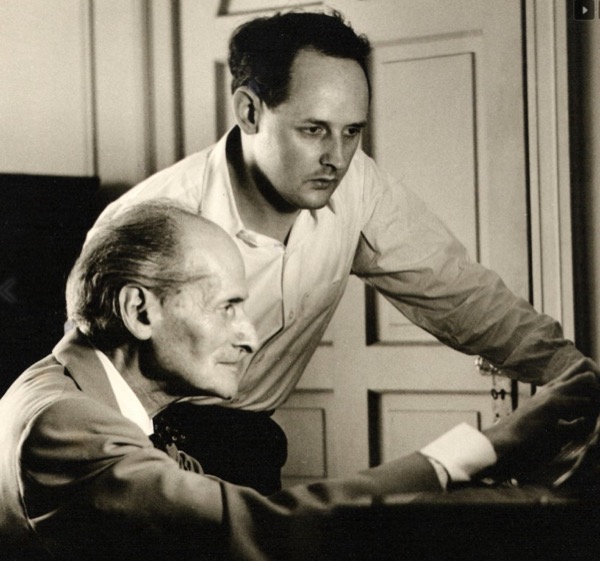
Clara Schumann’s students came from across Europe and went on to careers that stretched into the second half of the twentieth century. In the first part of our series on Clara Schumann’s students, we met four women who studied with
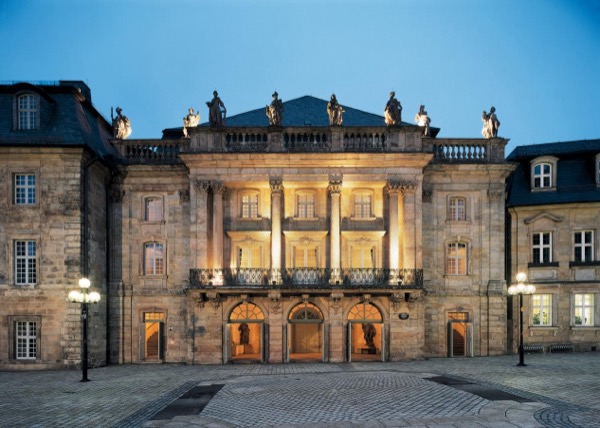
The Margravial Opera House (Markgräfliches Opernhaus) in the Franconian town of Bayreuth, Germany, stands as one of the world’s most complete and magnificent surviving court theatres from the Baroque era. Recognised by UNESCO as a World Heritage site in 2012,
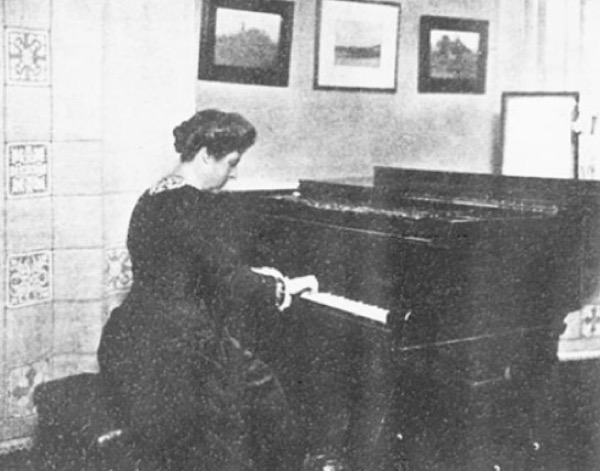
Clara Schumann is remembered today as one of the greatest pianists of the nineteenth century – but her influence didn’t end with her own performances. Over the course of her career, she taught hundreds of students, shaping the next generation
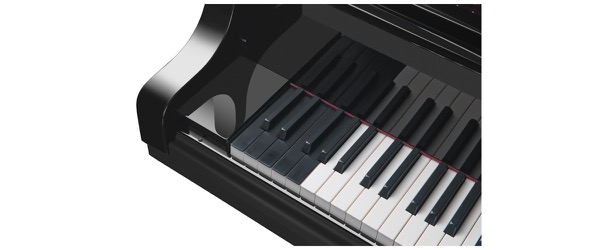
The piano as we know it today, an 88-key behemoth in black, is the result of innovation upon innovation since the first invention of the ‘fortepiano’ by Bartolomeo Cristofori in 1700. The fortepiano (meaning ‘loud soft’) was the next development