
It’s well known that Johann Sebastian Bach had 20 children. Several of his sons became accomplished composers in their own right. But what about the next generation? Wilhelm Friedrich Ernst Bach (1759–1845) was the grandson of Johann Sebastian – and
Blogs
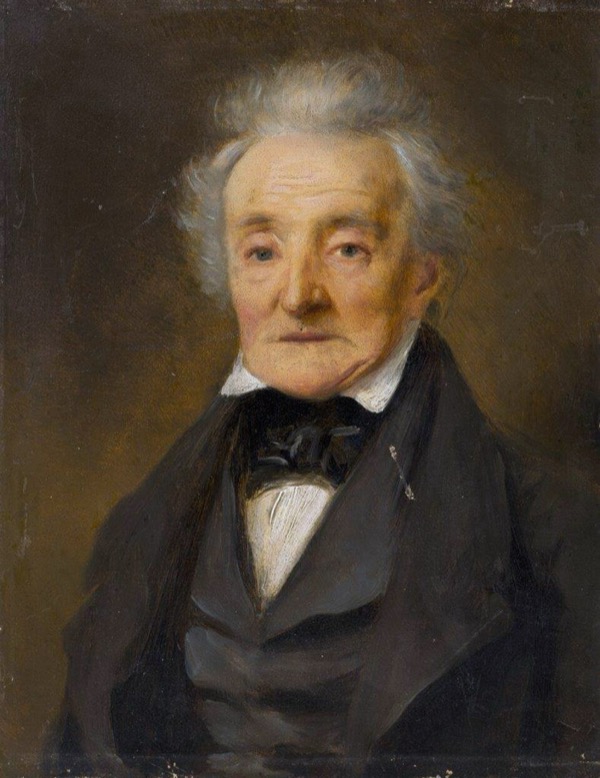
In Part 1 of this series, we looked at four composers who lived and worked with significant disabilities. Here are four more – spanning three centuries and five countries, with disabilities ranging from chronic pain to hearing loss to impacts
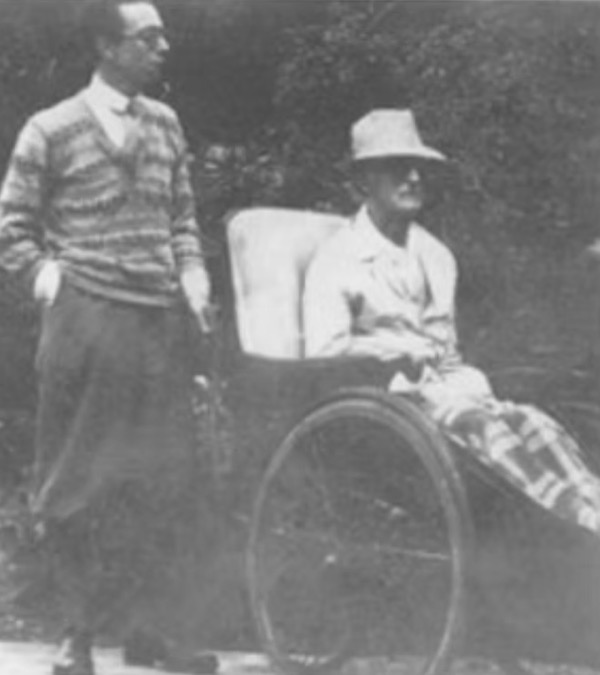
Some of the most celebrated composers in classical music history lived and worked with significant disabilities. From physical injuries to chronic illness to mental health struggles, these composers created enduring work under circumstances that would have ended many careers. Here
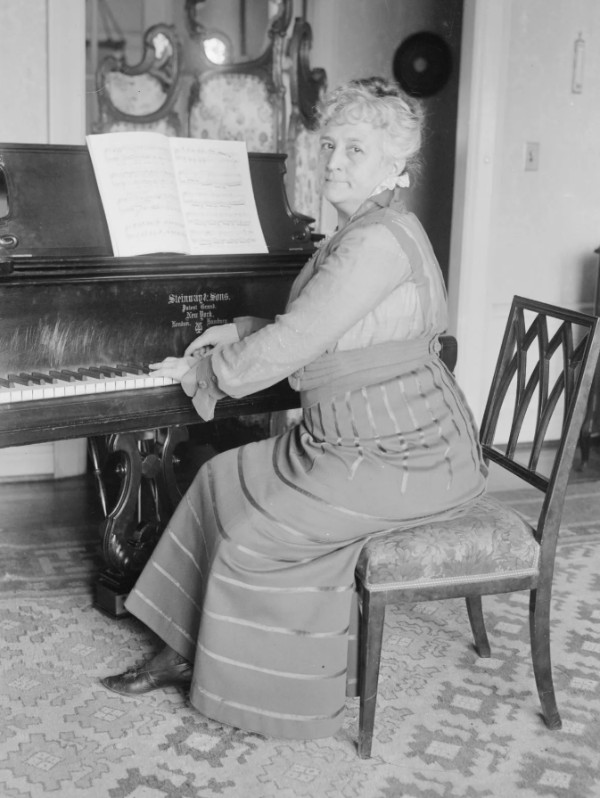
Every decade of the 19th century had a pianist who, more than the others, clicked with audiences. This list isn’t about who wrote the greatest music for the instrument. (If it were, Chopin would be on the list, despite the
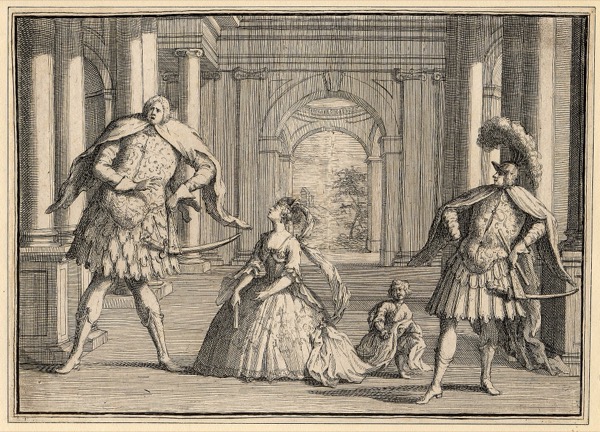
On 20 February 1724, Handel’s three-act opera Giulio Cesare (in full, Giulio Cesare in Egitto) received its premiere at the King’s Theatre in London. Exactly 125 years earlier, the same city had witnessed another great drama about Caesar: Shakespeare’s celebrated
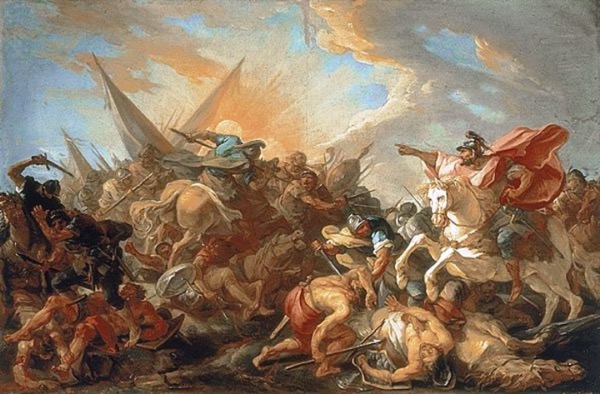
In the galaxy of classical music history, Handel was undoubtedly a master at manipulating public emotion. When mentioning his oratorios, most people immediately think of Messiah. Yet in the London of the 1740s, what truly filled Handel’s pockets and drove
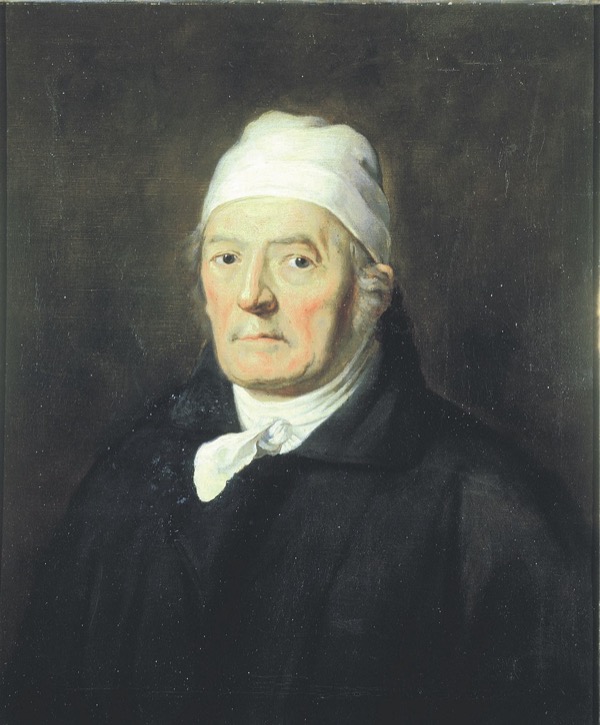
Nikolaus Simrock was one of the most important figures in classical music history, lending his name to a storied company that published some of the century’s most important music. One of Simrock’s early clients was Ludwig van Beethoven himself. Decades
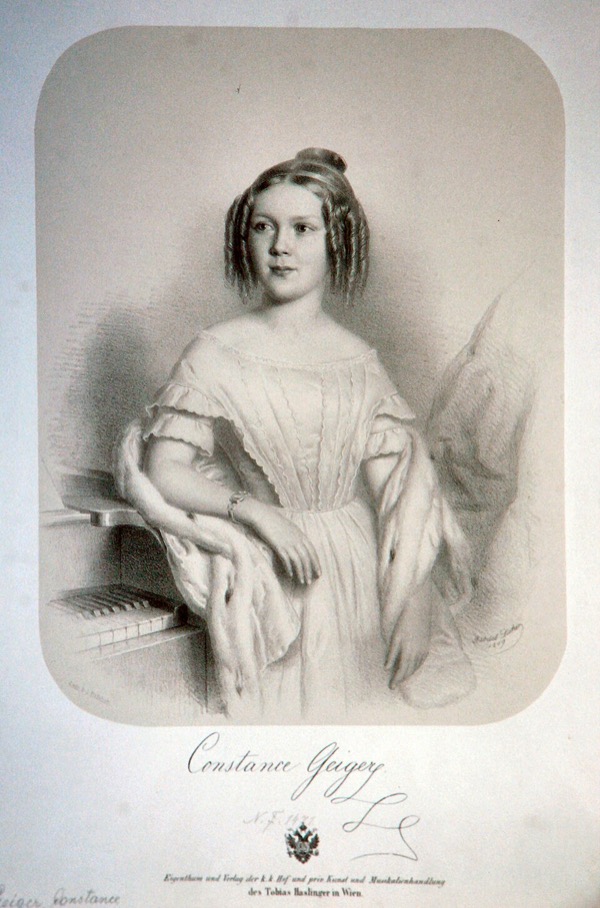
The Vienna Philharmonic New Year’s concert, performed since 1939, is a beloved holiday tradition for classical music lovers around the world. In 2025, the orchestra programmed the first work by a woman to ever appear on the program of this