Andrei Gavrilov, born on 21 September 1955 in Moscow, won the 1974 International Tchaikovsky Competition at the age of eighteen. A protégé of the extraordinary Russian pianist Sviatoslav Richter, Gavrilov quickly established an international career. After his early EMI recordings, he signed an exclusive contract with Deutsche Grammophon in 1990.
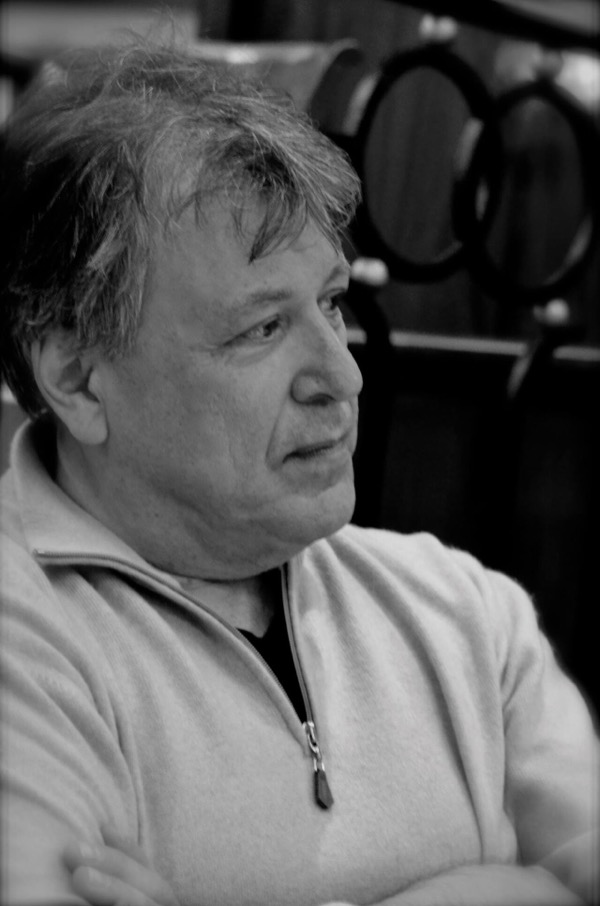
Andrei Gavrilov, pianist
However, when he started to make critical remarks about the Soviet regime, he was placed under mandatory house arrest and at times committed to various psychiatric wards. He was finally able to leave the Soviet Union in 1985, and following his Carnegie Hall debut and his win at the Accademia Musicale Chigiana, he was proclaimed “the greatest pianist of the world.”
His remarkable story of extraordinary talent and real struggles has left its mark on the person and the pianist. Yet throughout his career, he found a natural affinity for Sergei Prokofiev’s piano music. To celebrate his birthday, let us listen to Gavrilov’s Prokofiev, a composer who let him combine phenomenal technique with deeply felt emotion.
Andrei Gavrilov plays Prokofiev: Suggestion diabolique, Op. 4 No. 4
Electric Prokofiev
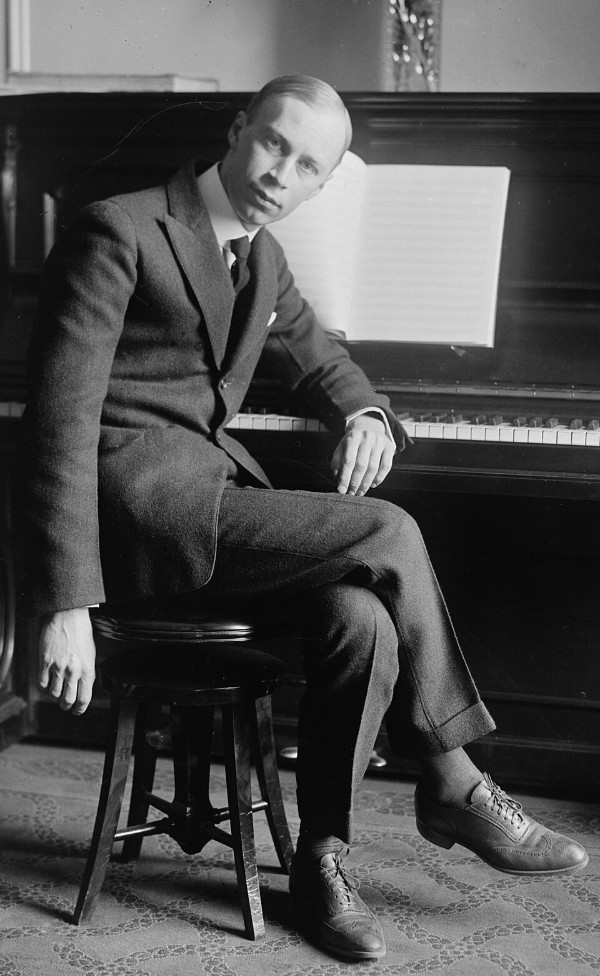
Sergei Prokofiev
The best place to start is probably Prokofiev’s First Piano Concerto and the celebrated 1977 EMI/HMV recording featuring the London Symphony Orchestra conducted by Simon Rattle. Rattle was only 22, and it represented a major recording debut for both him and Gavrilov.
Quite possibly, the most striking feature of the recording is Gavrilov’s entrance. With his wiry edginess and dry brilliance, the piano inhabits a completely different world from the orchestra. Gavrilov can change character almost instantly, and the cadenza-like episodes are crisp and precise.
Much more restrained and lyrical, the “Andante” highlights his control of atmosphere; his tiny changes of colour inform his interaction with the orchestral accompaniment. Clearly, in this movement he is much more than simply an explosive pianist.
The final movement is flightily light and agile, without ever sacrificing precision. A 2011 review describes Gavrilov’s performance as “zipping all over the map,” calling the concerto brilliant throughout. Rattle was praised for his “keen responsiveness and sensitivity,” but a dissenting assessment found the recording somewhat superficial.
Sergei Prokofiev: Piano Concerto No. 1 in D-Flat Major, Op. 10 (Andrei Gavrilov, piano; London Symphony Orchestra; Simon Rattle, cond.)
Controlled Fury
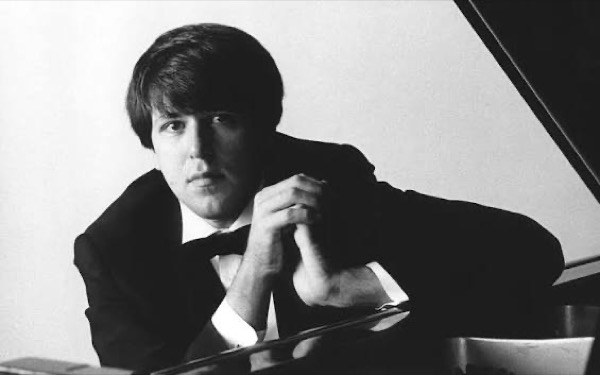
Andrei Gavrilov
A completely different Gavrilov sat down for the DG recording in May 1991, which paired Prokofiev’s Piano Sonatas No. 3, 7, and 8. The first movement of the 7th Sonata is often cited as one of Gavrilov’s finest performances.
The articulation is razor-sharp in the opening, as the movement wells up with controlled yet high-speed agitation. Every rhythmic layer is heard with distinct clarity, as the mood abruptly changes between nervous activity and reflective episodes.
A darker, more concentrated tone emerges in the second movement, while the “Precipitato” is clearly a showpiece. However, it’s really not about speed but consistent articulation. Everything in this movement is tightly organised and clearly audible.
Critics were full of praise, as this recording shows the evolution of Gavrilov’s musical craft. Already a spectacular pianist in 1977, he was now more architecturally conscious of Prokofiev’s mature technique.
Sergei Prokofiev: Piano Sonata No. 7 in B-Flat Major, Op. 83 (Andrei Gavrilov, piano)
Love and Drama
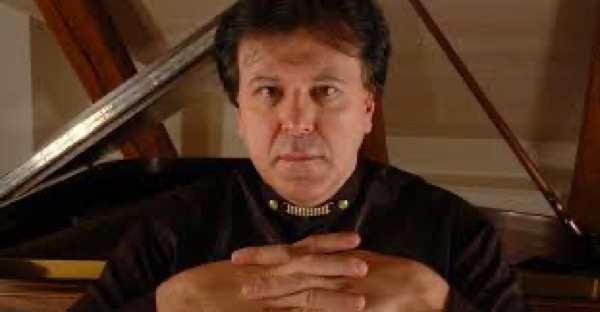
Andrei Gavrilov
Also dating from the early 1990s, but recorded separately from the sonatas, the Ten Pieces from Romeo and Juliet were paired with Ravel’s Gaspard de la nuit. Importantly, Prokofiev himself made the ten piano transcriptions, extracting episodes from the ballet he considered suitable for piano.
Because these ten episodes contain much of the ballet’s thematic and dramatic substance, Gavrilov focuses primarily on characterisation. He turns the characters into engaging portraits, relying on exceptional articulation and controlled intensity.
In the original 1977 concerto disc, Gavrilov had already recorded two numbers from Romeo and Juliet. However, his second and complete take of the ballet suite was considered an improvement. And to be sure, Gavrilov’s relationship with Op. 75 stretches across his recording career.
Sergei Prokofiev: 10 Pieces from Romeo and Juliet, Op. 75 (Andrei Gavrilov, piano)
Power and Pain
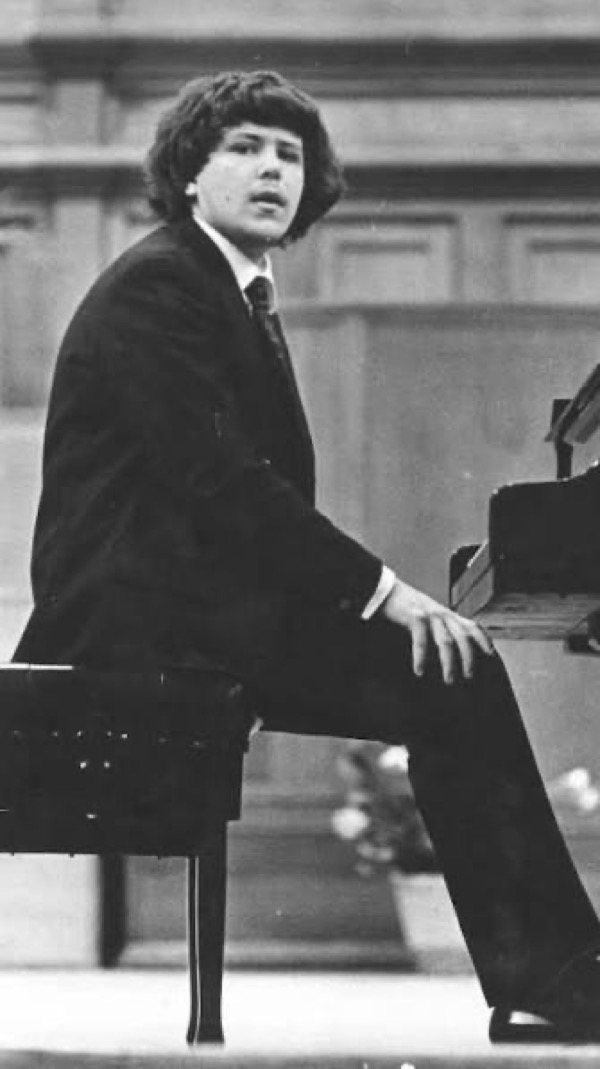
Andrei Gavrilov
Andrei Gavrilov suggested that Prokofiev’s later Soviet music possesses an emotional and psychological depth absent from much of his early work. To illustrate this point, let’s have a listen to the third movement of Prokofiev’s Sonata No. 8.
Displaying tremendous technical prowess and rhythmic power, Gavrilov creates a narrative of rhythmic insistence and sudden dynamic contrasts. The bass never becomes muddy, and the movement always threatens to run away. Given Gavrilov’s technical perfection, it never does.
Gavrilov’s reading of Prokofiev mirrors the pianist’s own extraordinary journey. Fiercely individual and technically fearless, Gavrilov searches for and finds the often emotional and painful points of contact between his own experience and Prokofiev’s music.
For more of the best in classical music, sign up for our E-Newsletter