Serbian cellist Nemanja Stanković’s new release features five masterworks for unaccompanied cello. Entitled CORE from Azure Sky Records, these cello pieces “lie at the very heart of his artistic identity.” The selected compositions represent 300 years of solo cello works by Johann Sebastian Bach, Gaspar Cassadó, Paul Hindemith, György Ligeti, and Philip Glass.
You might ask—can a single instrument, specifically the cello, encompass an entire musical universe across centuries and styles, with emotional depth, and still hold an audience’s attention? The number of recordings that feature these solo works is extensive. In fact, every cellist feels they must put their mark on the Bach Cello Suites in particular. I listened, wondering how Stanković will set himself apart.
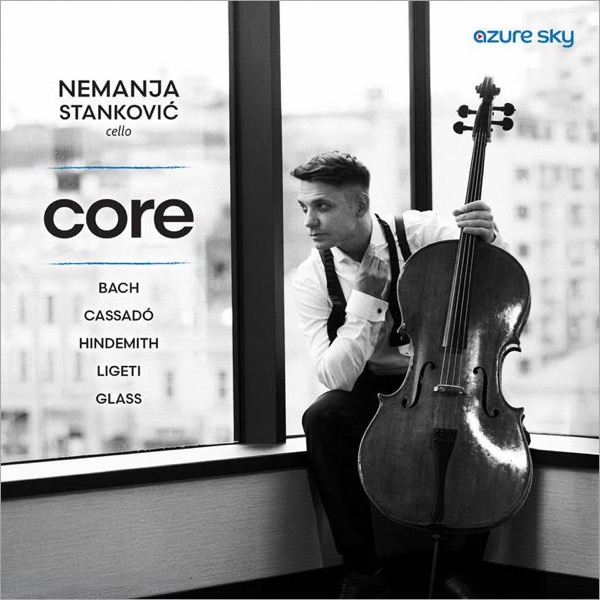
Stanković, educated in Kragujevac, Belgrade, Vienna, Salzburg, and Fiesole, studied with Sandra Belić, Natalia Gutman, Enrico Bronzi, and others, and has worked with Alfred Brendel, Mischa Maisky, and Jens Peter Maintz. His performances have taken him to major venues and festivals worldwide, and he was principal cellist of the Belgrade Philharmonic (2011–2019) and guest principal of the Milan Symphony (2022–23). A founding member of the award-winning Corda Piano Trio, Stanković is currently an associate professor of chamber music at the Faculty of Music in Belgrade.
The recording begins with Johann Sebastian Bach Suite No. 1 in G major. The record jacket indicates the cellist’s thinking: “It functions as the foundational cornerstone of the release, highlighting linear counterpoint, implied polyphony, and noble courtly dance rhythms articulated through fluid, natural rhetorical phrasing.”
J.S. Bach: Cello Suite No. 1 in G Major, BWV 1007 – II. Allemande
Stanković plays with unhurried tempos, and his articulations, a source of much debate over the past centuries, consist mainly of separate notes. He adds tasteful ornaments, for example in the Allemande, Sarabande, and Minuets. I found the sound on the edgy side and thought the microphone might have been too close.
Gaspar Cassadó was himself a fine cellist, one of the very few students of fellow Catalan cellist Pau (Pablo) Casals.
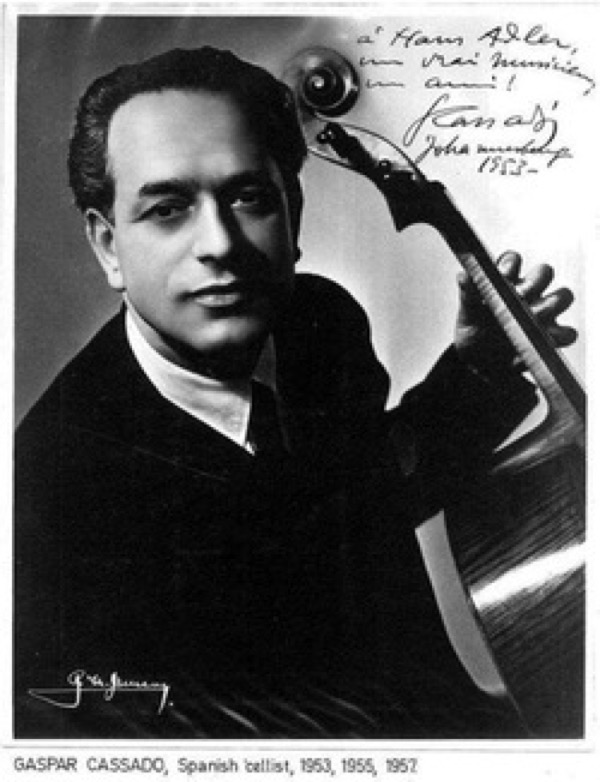
Gaspar Cassadó
Cassadó’s Suite for Cello Solo from 1926 has three dance movements: Preludio-Fantasia, Sardana, and Intermezzo e Danza Finale. It’s a lovely work full of drama, Spanish fervour, and impressionistic colours. Having grown up in Paris during the French Impressionist period and been influenced by it, the composer quotes the flute solo from Maurice Ravel’s Daphnis et Chloé in the first movement. We hear Catalan folk melodies in the second movement, and the finale, a jota, suggests the south with its Andalusian flamenco, chords and guitar-like flamenco sounds.
Cassadó never performed the suite, but my teacher, cellist János Starker, popularised it, and I admit his interpretation is still in my ear.
Stanković opened with spirit and passion, with enjoyable rubato and lovely tenderness.
Gaspar Cassadó: Suite for Cello Solo in D Minor – I. Preludio-fantasia. Andante
Difficult double, triple, and four-note chords permeate the second movement. I felt too many attacks came from the air, and the sound became very rough. The movement III lento opening was compelling, and Stanković achieved the spirit of the dance. But the marcato section, although effective in the softer sections, sounded coarse to me, with the strings snapping against the fingerboard in the forté chords as he approached the ending. Again, I felt the microphone was either too close, or Stanković didn’t adjust his playing for the recording studio and was trying to project as one would in a large concert hall, or both.
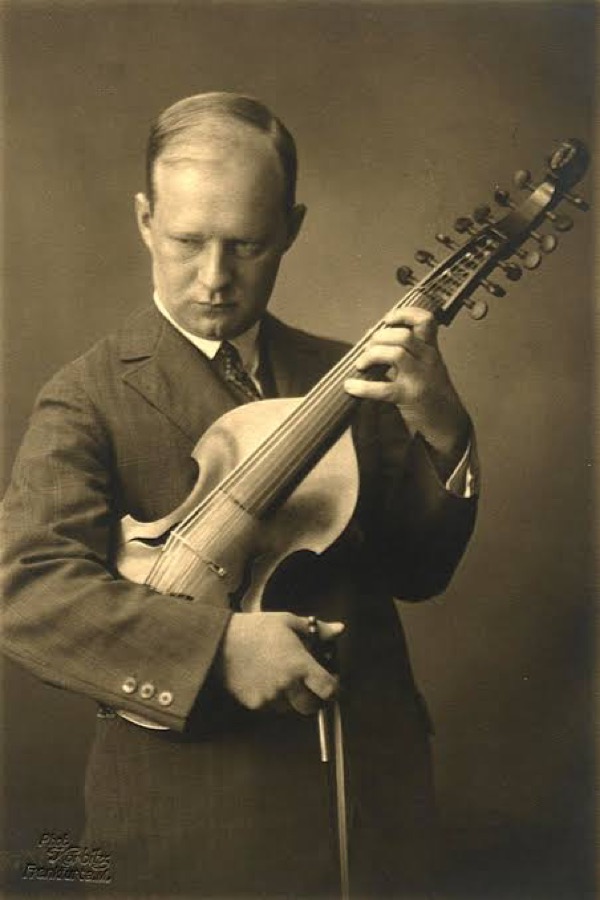
Paul Hindemith
The Hindemith Sonata for Solo Cello Op. 25 No. 3, composed in 1922, was made famous by the eminent German cellist Siegfried Palm, well known for his interpretations of contemporary composers. Emanuel Feuermann, who played in a trio with Hindemith, recorded the piece in 1934. Hindemith was anti-romantic, and even today audiences and performers shy away from his works. I disagree, finding his music inventive, unique, and challenging. The five-movement sonata has rhythmic drive and yet multiple qualities despite being very short. It has dance elements that we might relate to a suite.
Both the first and fifth movements have the instruction sehr markiert, very marked. But I would ask: does that mean harsh? Stanković plays the first movement with intentional brutality.
Movement 2: Massig schnell; Hindemith indicates gemachlich and “always piano.” Stanković’s tempo is good, but I thought the crescendos to upper chords were overdone.
The Langsam movement III is mournful and tender, and Stanković underscores its tragic character effectively. Movement IV, Lebhafte Viertel, a scherzo-like, quick movement—only 42 seconds—is played with skill, but the last movement feels brutal, and I believe the cellist deliberately seeks harshness in this piece.
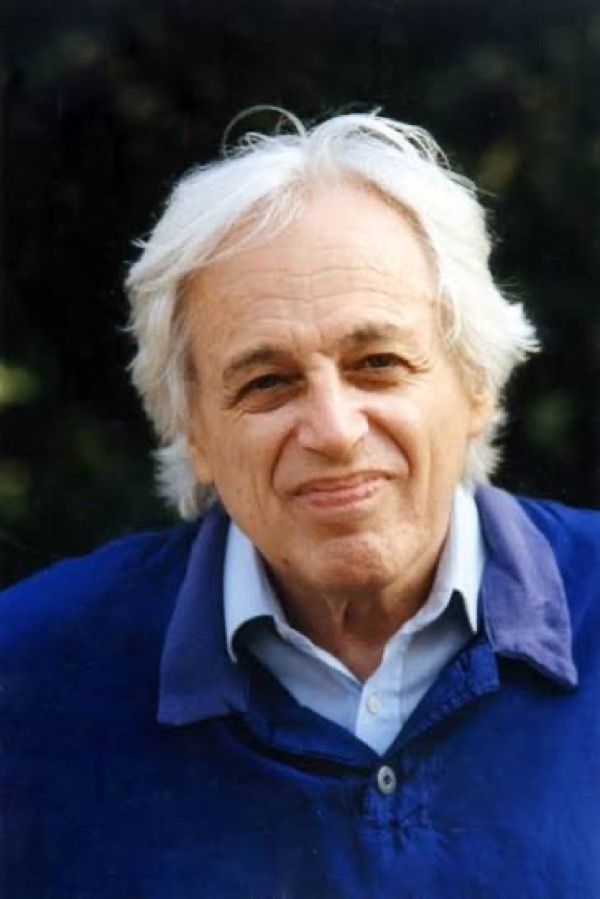
György Ligeti
György Ligeti wrote the first movement of his Cello Sonata in 1948 for his classmate Annuss Virány, when he was studying at the Budapest Liszt Academy of Music. But Virány never played the piece. In 1953, encouraged by Vera Dénes to write a second movement, Ligeti wrote the Capriccio, but the Soviet-run Composers’ Union vetoed it as too contemporary. It was not performed until 1979, but since then it is considered standard repertoire.
Of the first movement, Dialogo, Adagio, rubato cantabile, Ligeti himself says, “I attempted in this piece to write a beautiful melody, with a typical Hungarian profile…” With its almost wistful, mysterious opening on the lowest string, then moving to the A string, Stanković’s playing is indeed singing and lyrical. Fading out with pizzicato, this performance is beautiful.
Movement II, Capriccio, contrasts with the first. Marked Presto con slancio, very fast with energy and forte vigoroso, Ligeti adds, “it is a virtuoso piece in my later style that is closer to Bartók…to the edge of virtuosity much like Paganini.” Stanković plays it extremely fast and loud, so much so that individual notes are not clear and verge on forced. The mournful melody returns only to be abruptly interrupted with angry rejoinders. I would’ve liked more delineation between the sections. As we approach the last minute of music, the playing becomes furious and ferocious.
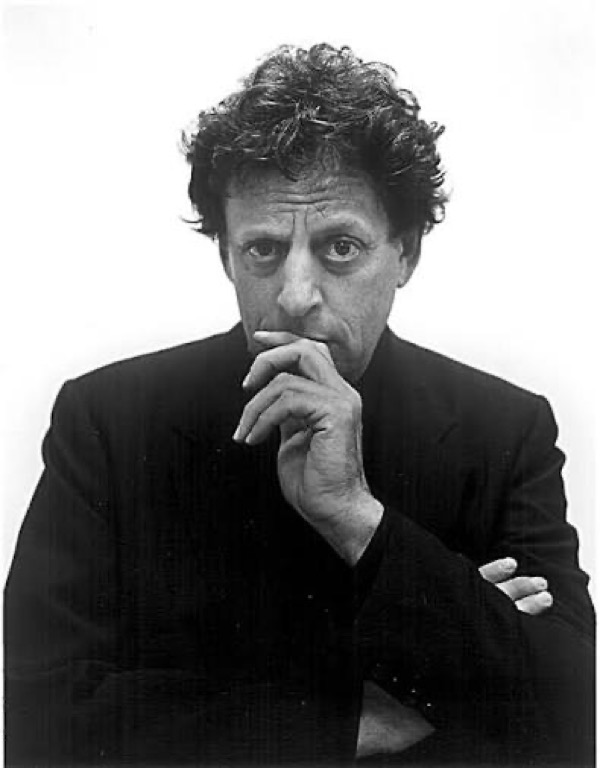
Philip Glass
The recording ends with the lovely Song V from Songs and Poems for Solo Cello by Philip Glass (2007). It begins with a G minor broken chord reminding us of the opening of the Bach Suite, and the similarities serve as a bookend to the recording. Lyrical and deep-throated, this is affecting playing. The movement builds and, in the middle, develops into a rhythmic cross of the string section. The cantabile then returns, this time in a higher register with a melancholy air. The song fades out with gentle pizzicato. I found the playing in the Glass song compelling.
Azure sky records: core: Cello works by JS Bach, Cassadó, Hindemith, Ligeti, Glass
For more of the best in classical music, sign up for our E-Newsletter