As the popularity of classical music declined and that of film music grew, it became increasingly common for listeners to encounter classical music for the first time through film scores and soundtracks. Whether specially composed for the screen or borrowed from the classical repertoire and used to powerful effect, film music has become one of the main gateways into orchestral and instrumental music. In fact, many listeners today claim to enjoy “classical music” when what they really mean is film music — a sign of how closely the two worlds have become intertwined.
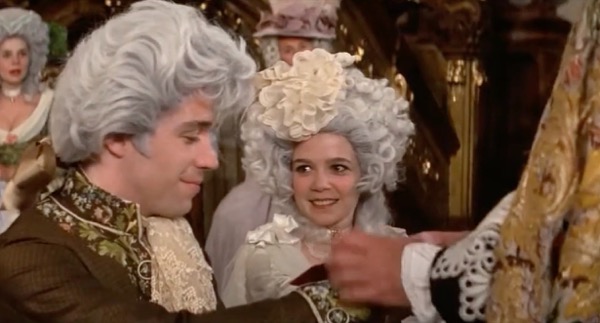
Cinema, after all, inherited much from opera and theatre. It is a medium built on emotion, narrative and atmosphere, and music naturally became one of its most essential tools. Through film, classical works have found new life and new audiences. A single scene can permanently attach an emotional memory to a piece of music, creating a powerful connection between listener and composition. Many people discovered Strauss through 2001: A Space Odyssey, Barber through Platoon, or Mozart through Amadeus. In these moments, film acts almost like a curator of the classical repertoire, reintroducing old works to contemporary audiences through image and storytelling.
2001 A Space Odyssey Opening
Classical music is also a natural fit for cinema because of its flexibility. Instrumental music leaves room for interpretation and emotion in a way that lyrics often cannot. It supports narrative without dictating it directly. The orchestra, with its vast range of colours and dynamics, is capable of expressing tension, intimacy, grandeur or melancholy with extraordinary precision. Even today, when electronic production and sound design dominate much of modern scoring, the foundations remain deeply rooted in classical traditions — from orchestration and harmonic development to leitmotifs and thematic writing.
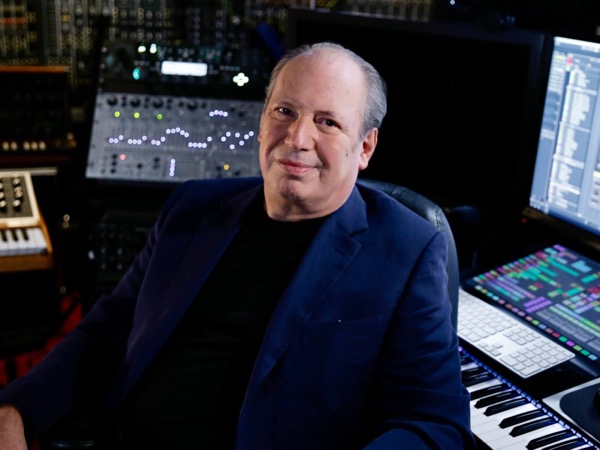
Hans Zimmer
At the beginning of cinema, classical training was almost essential for film composers. Silent films were often accompanied by pianists or orchestras, and early sound cinema relied heavily on composers capable of writing for large ensembles. That heritage remains visible today. Many contemporary composers move fluidly between concert music and film scoring. Some, like Zimmer, Göransson or Britell, work primarily in film, while others such as Richter, Guðnadóttir or Levi balance screen projects with independent artistic work.
Hans Zimmer – Time (Inception – Live in Prague)
Film music has become one of the most viable spaces for composers to sustain themselves financially while still exploring ambitious musical ideas.
Part of the attraction is practical. Classical composers rarely achieve the visibility or commercial reach that film composers now enjoy. Cinema offers exposure to millions of listeners, as well as long-term royalties and recurring performances. Technology has also transformed the profession. Modern composers can now create large-scale orchestral mock-ups from their own studios using sophisticated sample libraries and production tools. What once required a full orchestra and expensive recording sessions can now begin in a small personal workspace. This accessibility has opened the field to a new generation of musicians.
Interestingly, the line between classical and film music has become increasingly blurred. Audiences often reference famous film scores when speaking about orchestral music in general, and younger listeners sometimes approach the classical repertoire through playlists recommended by streaming algorithms. AI-driven platforms now connect film soundtracks with works from the classical canon because they share similar moods, instrumentation and harmonic languages. Someone listening to a Zimmer soundtrack may suddenly be recommended Holst or Wagner without even realising the connection.
Concert halls, too, have adapted to this evolution. Live film screenings with orchestras performing the scores have become hugely popular, bringing new audiences into traditional venues. For many, these concerts become a first experience of hearing a full orchestra live. And while some may never move beyond film music itself, others inevitably become curious about the broader classical repertoire that inspired it.
Platoon Soundtrack – Adagio for Strings
There is, however, a slight paradox in this relationship. Film music has helped keep orchestral writing alive and relevant for contemporary audiences, yet it has also reshaped how many people perceive classical music itself. The genre is now often associated with cinematic emotion and visual storytelling rather than with absolute music — music that exists entirely on its own terms. Without the support of images or narrative, many listeners still find traditional concert music distant or difficult to approach.

Yet perhaps this is not entirely a bad thing. Every generation discovers classical music through different doors. For previous centuries it may have been the church, the salon or the opera house. Today, for many, it is cinema. And if film music can lead listeners towards Bach, Mahler or Debussy, then it may well be one of the most important bridges classical music has found in the modern world.
For more of the best in classical music, sign up for our E-Newsletter