Some of opera’s biggest box-office champions began life as spectacular misfires.
From Mozart’s Le nozze di Figaro (heckled by a claque in 1786) to Puccini’s Madama Butterfly (booed off the La Scala stage in 1904), opera performances have been ruined by politics, prudery, poor casting, shaky rehearsals, and simple bad luck. (Or, in one particularly notable case, totalitarianism.)
In this roundup of notorious operatic failures, we’re looking at the gory details of what made these operas fail…and how revision, rehearsal, and time turned these fiascos into fixtures of the modern opera house.
Mozart — Le nozze di Figaro (1786)
It’s one of the most beloved works in the repertoire today, but the Vienna premiere of Le nozze di Figaro was a controversial performance.
Contemporary accounts describe a divided house: connoisseurs cheering while a noisy claque hissed and shushed.
Meanwhile, everyone involved struggled with the music’s technical difficulty.
After a respectable but unsensational nine-performance run, Figaro found its breakthrough that winter not in Vienna, but in Prague, where audiences went wild, and Mozart was feted.
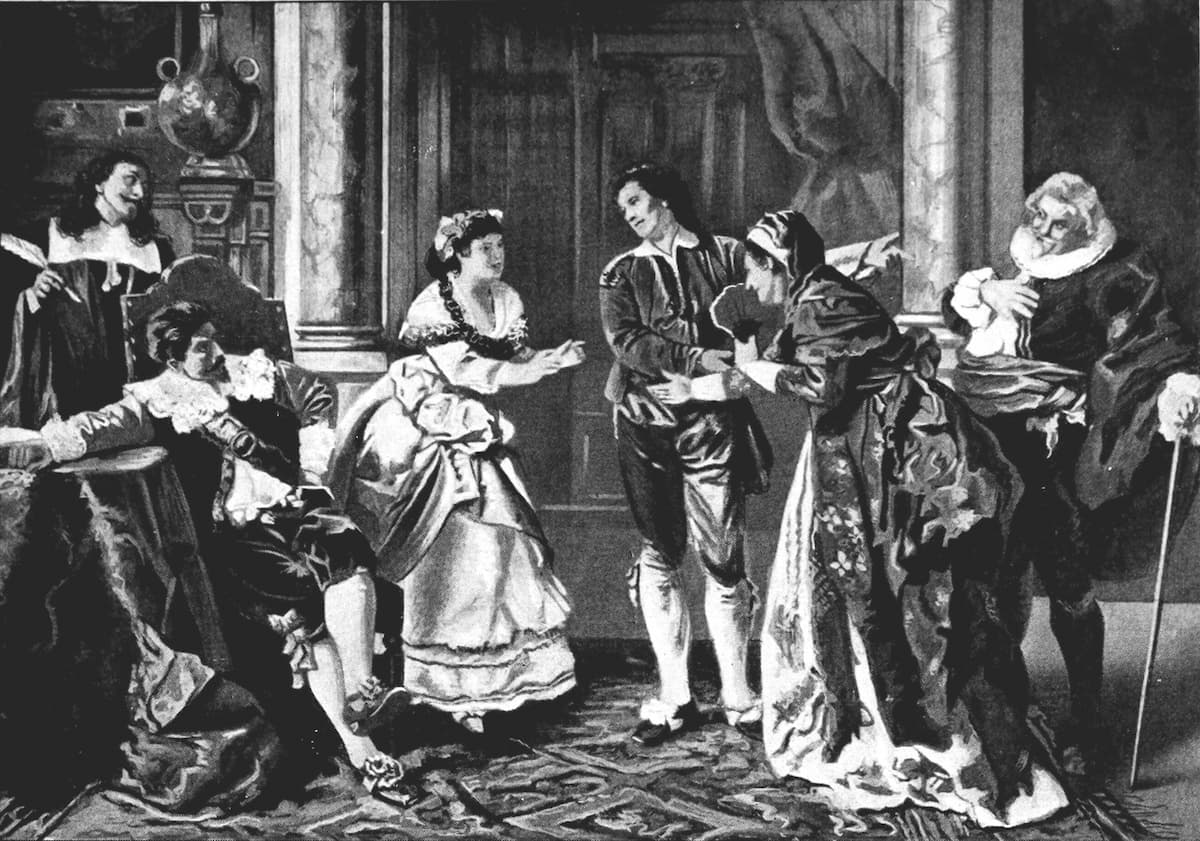
Mozart – Le nozze di Figaro – Marriage of Figaro and Susanna
Why it failed: First of all, politics.
Da Ponte’s libretto is adapted from Beaumarchais’s play, which had been banned in Vienna for its class satire.
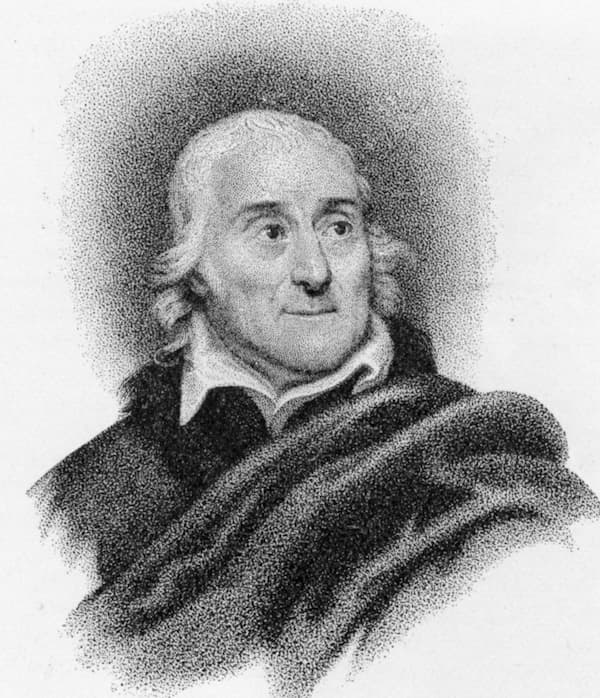
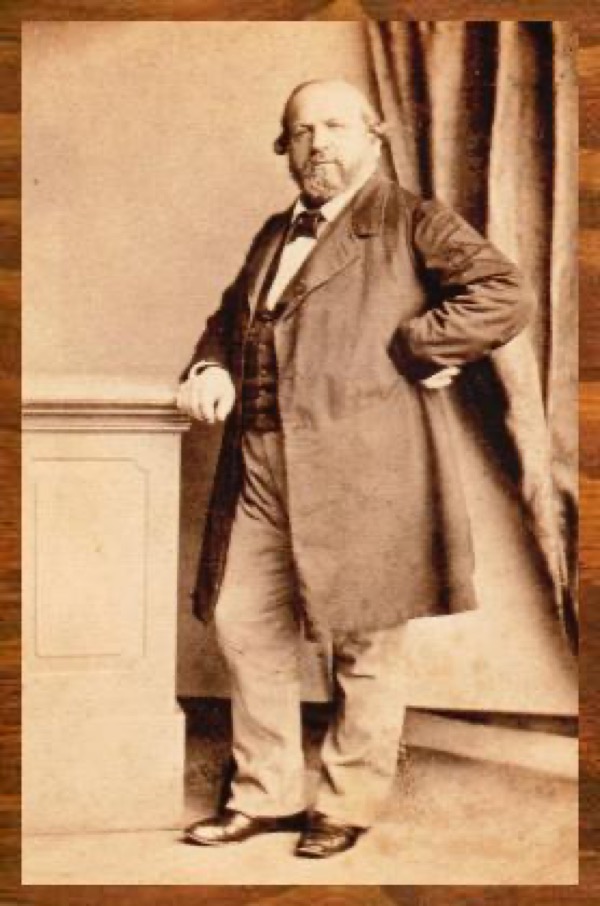
Lorenzo da Ponte
Even with cuts, the opera’s cheeky dynamics between servants and their employers made some aristocratic listeners uneasy.
Second, rival musical factions, who likely stacked the gallery with “hired lungs” to dampen enthusiasm, a common eighteenth-century theater practice.
You can read more about the culture behind the phenomenon known as “the claque”.
Third, its length and complexity: audiences found Mozart’s through-composed ensembles and sprawling finales thrilling but dense.
And fourth: difficulty of execution. This opera is just plain hard to perform well. Rapid patter, intricate counterpoint, and big ensemble numbers…it all would have taken time to perfect, and of course, nobody in the 1780s had access to Spotify to help learn their part!
To Sum: Figaro was never a true flop. It just wasn’t the jubilant, no-holds-barred triumph its later reputation suggests it should have been.
Schubert — Alfonso und Estrella (1822; first staged 1854)
Schubert finished Alfonso und Estrella in 1822. Unfortunately, Vienna’s theaters rejected it, and he died in 1828 without ever hearing it staged.
Its premiere only came in 1854 when Franz Liszt mounted it in Weimar as a kind of Schubertian rescue mission.
In the end, the result was polite curiosity more than excitement. A handful of performances were given over the following decades, some faint praise was extended for individual numbers and the overture, and then it just…slipped out of the repertoire.
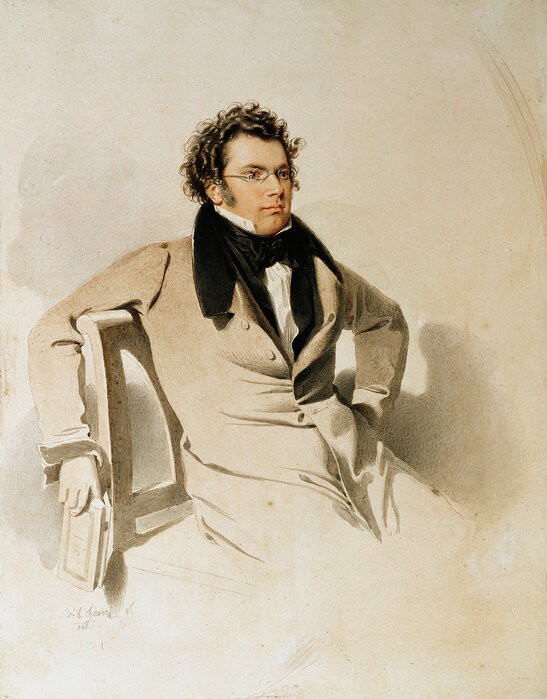
Franz Schubert
Why it failed: Franz von Schober’s libretto tells an exiled-prince story that should be thrilling and action-packed, but instead seems to relish its own stasis.
(Some historians have wondered if the trouble with pacing is because Schubert saw so few grand opera performances over the course of his life.)
Schubert’s strengths – his melodies, his orchestration, his generous vocal writing – shine at times, but the architecture of the thing isn’t theatrical enough to hold most audiences’ attention for an entire evening.
Plus, by 1854, trends had moved on. Wagner was creating cutting-edge German music drama, and Verdi was electrifying Italian stages. Both were much more overtly dramatic.
Against that backdrop, Schubert’s 1820s grand-opera idiom felt outdated and inert.
To Sum: Alfonso und Estrella remains a connoisseur’s curiosity rather than a staple of the repertoire.
Berlioz — Benvenuto Cellini (1838)
The Paris Opéra premiere of Hector Berlioz’s Benvenuto Cellini, which took place on 10 September 1838, was a textbook fiasco.
After an applauded overture, the opera itself was hissed. Reviews veered from baffled to savage, and the run sputtered out after a few performances.
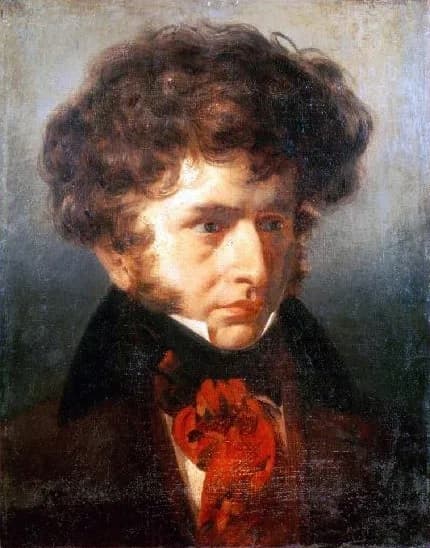
The young Hector Berlioz
Berlioz, wounded, revised the score. An 1852 revival spearheaded by Liszt helped, but the opera never found Parisian favour during the composer’s lifetime.
Why it failed: Musically, Berlioz shot for something bigger than an opera house of the time could deliver. The score is knotty, demanding, and daring; the famous Carnival scene in particular layers counterpoint and brass in ways that came across as cacophony.
Practically, the show is a bear to stage: crowd chaos, demanding vocal writing, and intricate ensembles all require more rehearsal than Berlioz had at his disposal. Reports suggest that the Opéra’s employees and performers simply weren’t ready to deliver on his vision.
Add the notorious politics of the Paris claque with Berlioz’s reputation as a controversial enfant terrible iconoclast, and the stage was set for a pretty dramatic failure.
To Sum: In the right hands today, Benvenuto Cellini can sparkle; but in 1838, it was a musical firework that detonated the wrong way.
Verdi — La Traviata (1853)
In 1853, Verdi wrote of the premiere of La Traviata, “A fiasco; whether my fault or the singers’, time will tell.”
The audience laughed – in a tragedy, mind you – largely because Violetta, a 23-year-old consumptive courtesan, was sung here by a celebrated but older, stout soprano.
A cracked tenor note and general disbelief at the deathbed scene sealed the night’s fate.
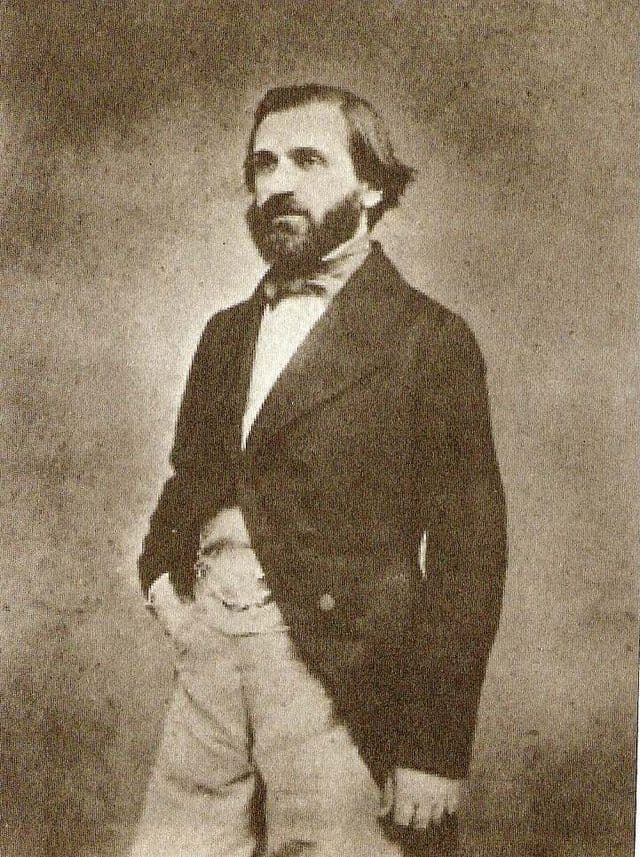
Giuseppe Verdi, 1844
Verdi withdrew the score at once.
Why it failed: Verdi envisioned a modern, intimate drama about a “fallen woman” redeemed by love, set in contemporary dress.
However, censors forced an eighteenth-century setting, visually distancing a story everyone could tell was taking place “now.” The miscast Violetta contributed to shattering the attempted realism.
Some also balked at the subject’s frankness. A courtesan character serving as a sympathetic heroine? Scandalous.
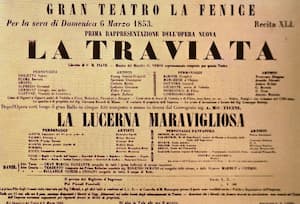
Verdi’s La Traviata premiere poster
To Sum: Today La Traviata is among the most performed operas, its initial “failure” a cautionary tale about ensuring the right casting and context.
Bizet – Carmen (1875)
The 3 March 1875 premiere of Carmen may not have caused a riot, but as the night went on, enthusiasm dampened considerably.
Act I drew interest. However, by Acts III and IV the room had turned cold, ending in a stunned quiet and earning only patchy applause.
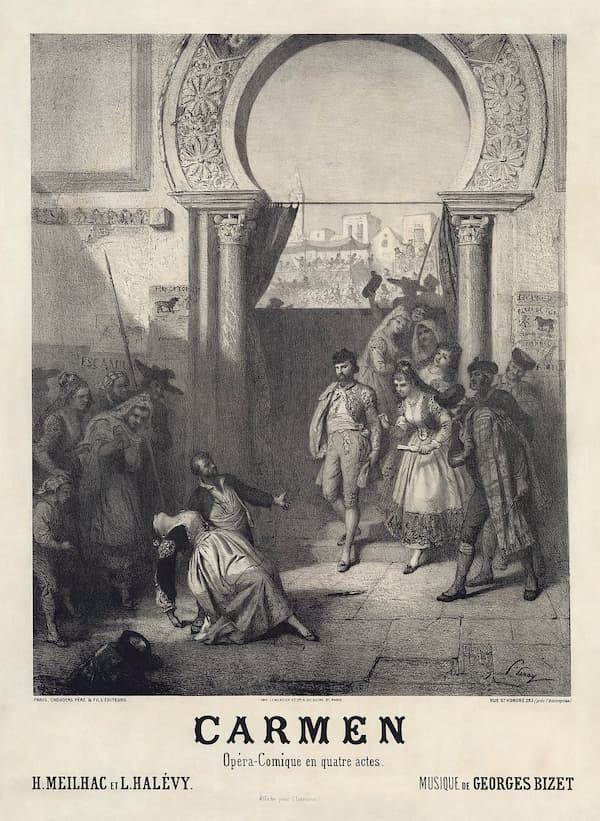
1875 lithographic poster for the première of Georges Bizet’s Carmen, Published by Choudens Pére et Fils and Imp. Lemercier et Cie.
Critics scolded the opera’s “immorality.” Some hissed. The management had to paper the house to keep the run alive.
Bizet died of a heart attack three months later, thinking his great masterpiece was actually a humiliating failure. Some believe that the stress of the reception contributed to his death.
Why it failed: Genre shock. The Opéra-Comique’s subscribers expected tidy, moral, family-friendly fare with spoken dialogue and decorum.
Carmen, on the other hand, offered gritty realism: a sexually free Roma heroine smoking onstage, brawling factory girls, smugglers, and an onstage stabbing. Plus, many attendees found mezzo-soprano Célestine Galli-Marié’s naturalistic portrayal of the title character vulgar.
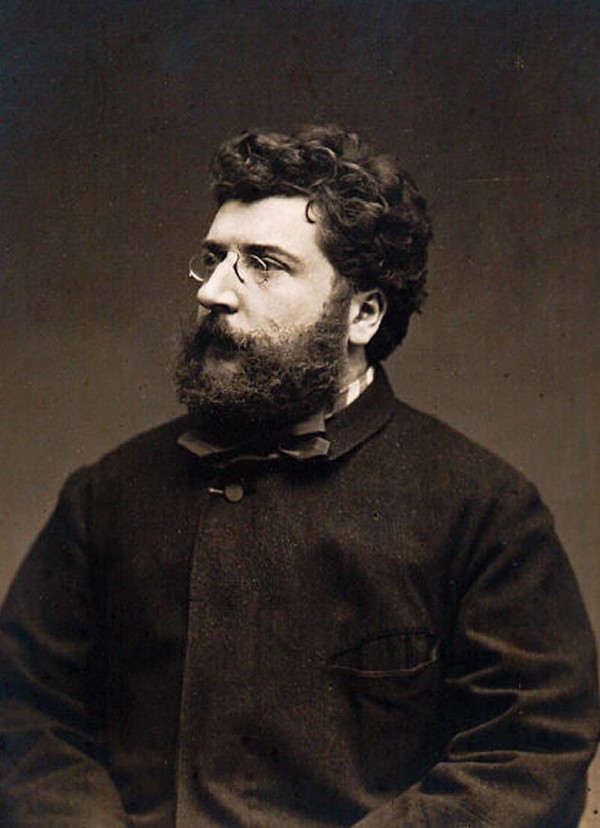
Georges Bizet, 1875 (Photo by Étienne Carjat)
Structurally, Bizet’s more continuous musical flow, with fewer applause-ready set pieces, irked traditionalists who complained that the music never stopped.
Add in a dash of cultural prejudice (xenophobic dislike of a “gypsy” anti-heroine) and some tonal whiplash (a festive Act IV turning to murder), and it was enough to cement the work’s cool reception.
To Sum: Carmen’s premiere “failure” was a mismatch of expectations combined with a bit of moral panic.
However, once freed from the suffocating context of the Opéra-Comique, the opera’s melodies and rich characters seduced generations of listeners. Tchaikovsky was one of the opera’s early fans.
Puccini – Madama Butterfly, 1904
La Scala, 17 Feb 1904, the premiere of the first version of Madama Butterfly: one of opera’s most infamous opening-night disasters.
From the moment the curtain rose, a hostile faction heckled, laughed, and sabotaged quiet moments.
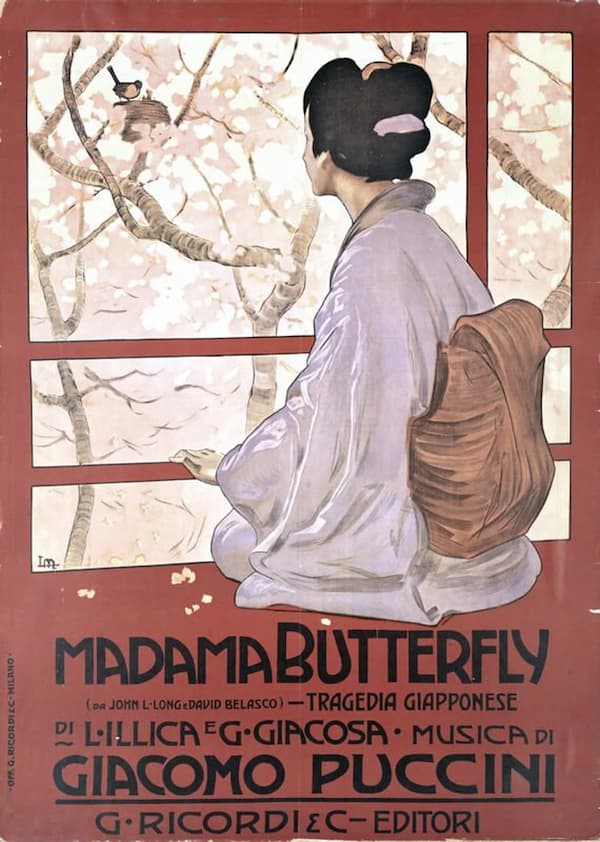
Giacomo Puccini’s Madame Butterfly
Act I only received scattered applause, while Act II’s vigil was drowned out by audience members imitating animals (they, in turn, were drowning out performers playing nightingale calls on whistles).
Puccini’s sister wrote, “We got to the end of it, and I don’t know how. The second act I didn’t hear at all, and before the opera was over, we ran out of the theater.”
Puccini withdrew the opera immediately and set to reworking it. Before the end of his life, he created five versions of Madama Butterfly.
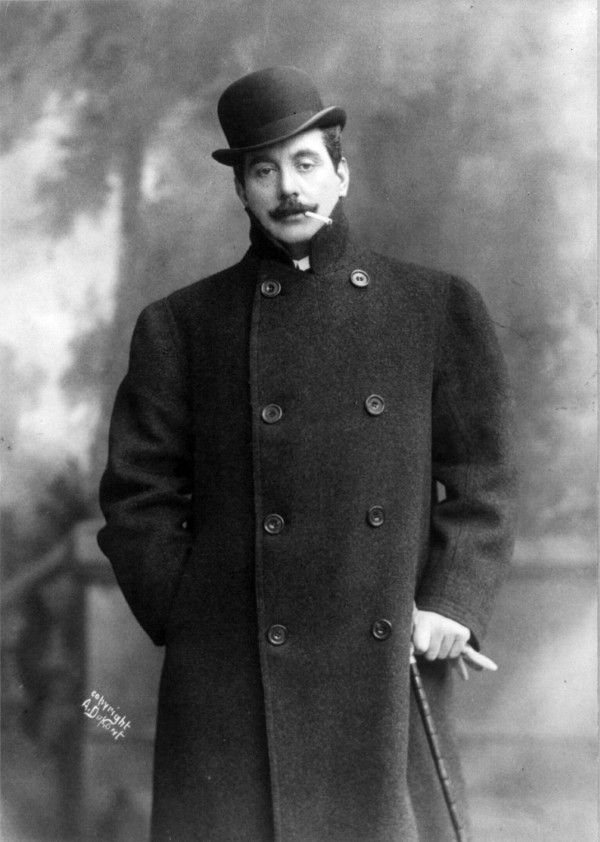
Giacomo Puccini
Why did it fail? First, claque intrigue: rivals appear to have organised a sabotage, timing disruptions to humiliate the singers, musicians, and composer.
Second, readiness: Puccini delivered the score late; rehearsals were rushed and closed to the press.
Third, casting optics: Rosina Storchio, a famed 32-year-old diva, didn’t necessarily persuade the crowd as an innocent teenage geisha. (It was a problem similar to the one Verdi had experienced during the Traviata premiere.)
She was also having an affair with the conductor Toscanini, and when an accidental wind gust from backstage puffed up her kimono, the crowd began yelling that she was pregnant with Toscanini’s baby.
Fourth, pacing and structure: the original two-act layout left an exceptionally long, breakless second act.
Finally, novelty: the intimate tragedy, set in modern times, focused more on psychological drama than the outward spectacle that La Scala was more famous for.
To Sum: Puccini’s response was swift. He revised the work, adding a new aria for Pinkerton, splitting up the opera into three acts, and generally trimming and tweaking.
When it re-premiered in Brescia, Italy, on 28 May 1904, it was a roaring triumph…proving that the line between a runaway success and a career-ending failure is sometimes a very thin one.
Shostakovich — Lady Macbeth of Mtsensk (1934–1936)
At first, this failure was a smash.
The Leningrad premiere on 24 January 1934 was a sensation. It resulted in hundreds of Soviet performances, international acclaim, and critics hailing a new operatic voice.
Then, on 26 January 1936, Stalin attended a Moscow show. He left grim-faced. Two days later, the Soviet state journal Pravda published an infamous editorial entitled “Muddle Instead of Music.”
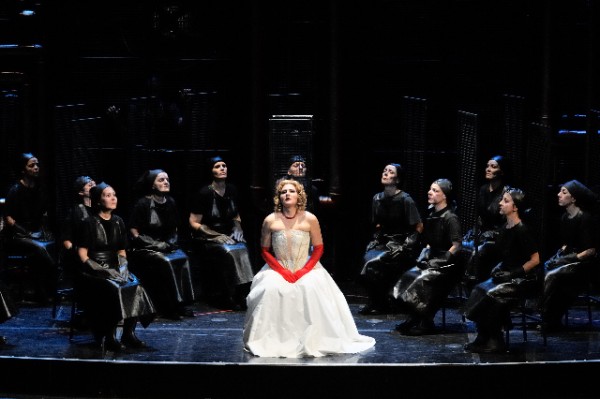
Shostakovich’s Lady Macbeth of the Mtsensk District
It was an anonymous – and officially sanctioned – denunciation branding Shostakovich’s score vulgar, chaotic, and anti-Soviet.
The opera was yanked from stages almost overnight and remained effectively banned for decades.
Its sudden failure traumatised Shostakovich for decades to come, and was a turning point in his career. He was lucky to escape with his life.
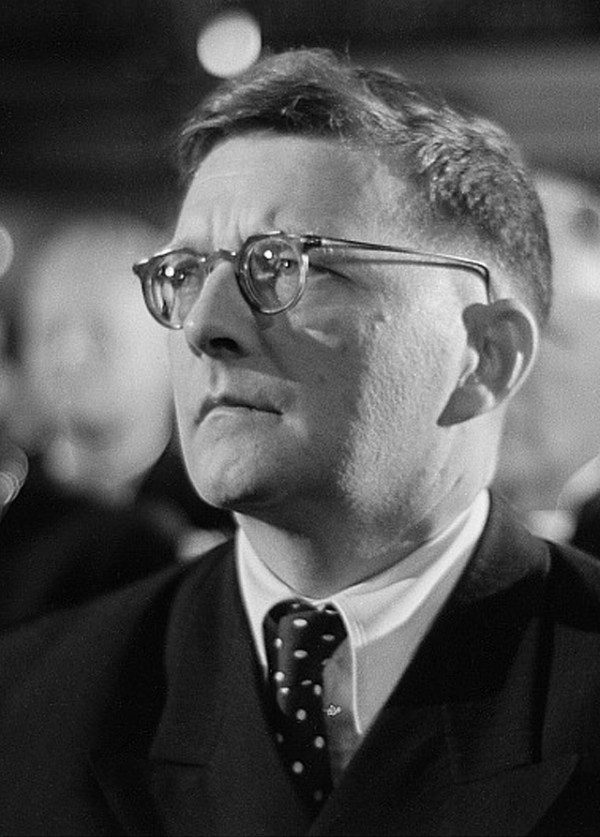
Dmitri Shostakovich © Deutsche Fotothek
Why it failed: Content and context.
The plot – which features adultery, murder, sexual frankness, and a sympathetic anti-heroine – collided with the government’s Socialist Realist priorities.
Musically, Shostakovich’s searing dissonance and satiric bite read as “formalism” to cultural commissars who preferred simpler, more optimistic tunes.
Plus, politically, 1936 was the eve of the Great Terror in the Soviet Union. A huge number of artists and intellectuals were killed at a rapid clip in order to demonstrate the power of the state and to discourage dissent. It was in the state’s interest to make Shostakovich afraid of it.
It’s important to underline that this “failure” was due solely to the whims and tastes of Stalin. Until the editorial dropped, audiences across the Soviet Union had been enthusiastic.
To Sum: It was a suppressed masterpiece. Since the 1960s, the original has been revisited and deemed one of the century’s most important operas. Beware of countries that censor art and change programming for strongmen.
Conclusion
When it comes to opera, it seems that early performances are not always a reliable indicator of a work’s future worth.
Claques disperse, fashions shift, singers change, and what once seemed “too long,” “too modern,” or “too scandalous” often becomes exactly what audiences crave.
Which operatic “failure” do you think aged best?
For more of the best in classical music, sign up for our E-Newsletter