A surprising number of great composers owe their reputations to a particular performer who first championed their music.
These partnerships – whether rooted in romance, platonic friendship, sheer admiration, or some mix of all three – helped to shape the way we hear classical music today.
From the opera stages of the Baroque Era to experimental piano of the twentieth century, here are ten of the most important composer/interpreter relationships in classical music history.
George Frideric Handel and Francesca Cuzzoni
Handel’s “Piangerò la sorte mia” from Giulio Cesare
Once soprano Francesca Cuzzoni began working with Handel in 1723, his creative life would never be the same.
Their relationship got off to a rocky start. Her part in the opera Ottone was not originally written for her, and she refused to sing her first aria.
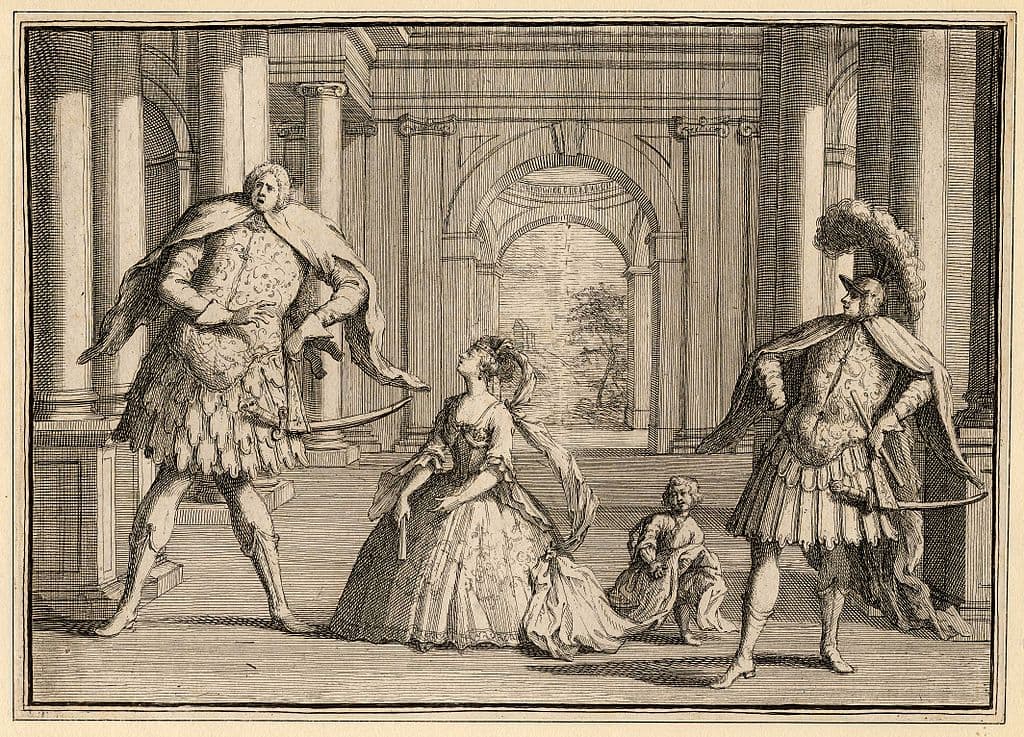
Caricature of a performance of Handel’s Flavio, featuring Berenstadt on the far right, the soprano Francesca Cuzzoni in the centre
and Senesino on the left.
As the legend goes, Handel told her, “Oh! Madame, I know well that you are a real she-devil, but I hereby give you notice, me, that I am Beelzebub, the Chief of Devils.”
He then (alarmingly!) wrapped an arm around her waist and threatened to throw her out a window.
It may have been a nightmarish way to kick off a collaboration, but something about their unconventional creative relationship worked.
The young Italian soprano, with her silvery tone and extraordinary control, became the star of his opera company at the Royal Academy of Music.
Handel quickly recognised her gifts and wrote some of his most enduring arias for her, including Cleopatra’s “Piangerò la sorte mia” from Giulio Cesare.
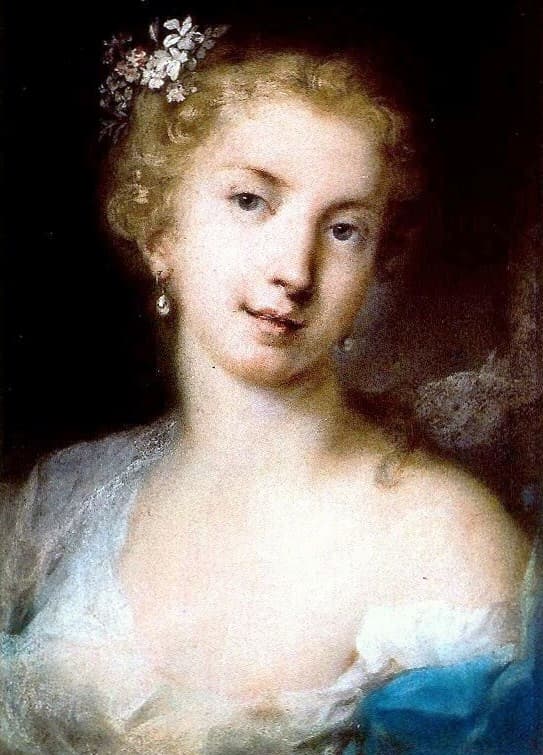
Francesca Cuzzoni
Cuzzoni’s artistry and charisma made her a sensation with London audiences, and her name was inseparable from Handel’s during the height of his operatic career.
Learn more about Cuzzoni’s rivalry with fellow singer Faustina Bordoni.
Ludwig van Beethoven and Ignaz Schuppanzigh
Beethoven’s String Quartet No. 9
Beethoven’s revolutionary string quartets might never have come to life without violinist Ignaz Schuppanzigh.
Leading the Schuppanzigh Quartet, which worked for his and Beethoven’s benefactor Count Razumovsky, he premiered many of Beethoven’s groundbreaking quartets.
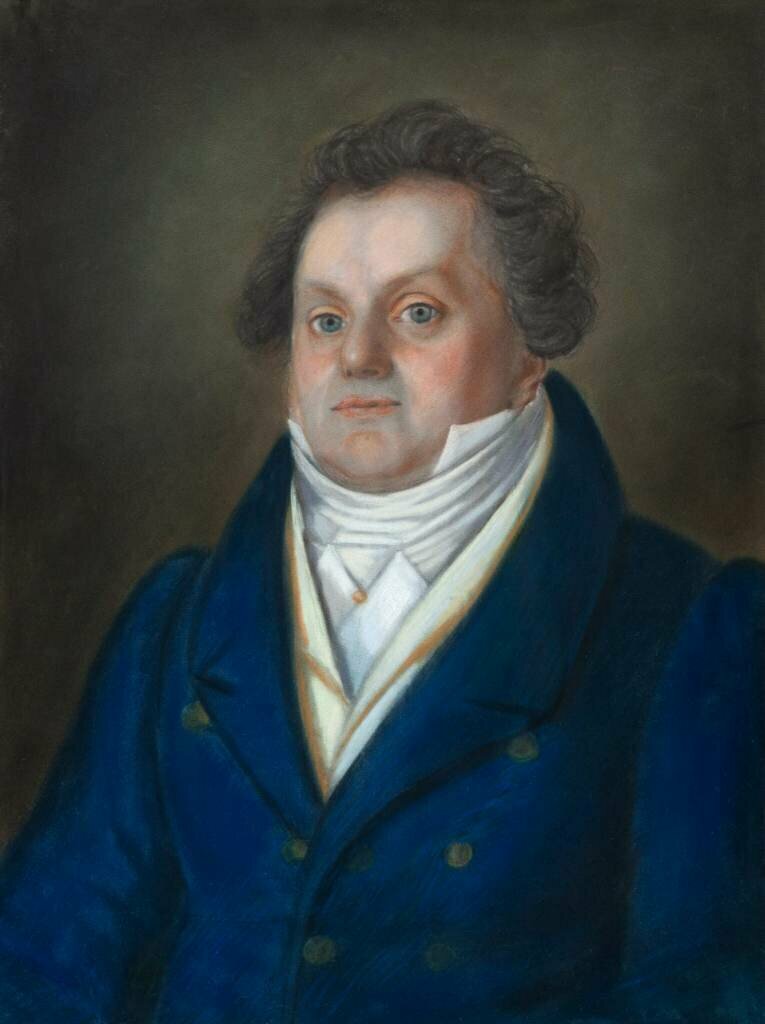
Ignaz Schuppanzigh
Audiences often found Beethoven’s middle and late quartets incomprehensible. Sometimes Schuppanzigh did, too. Yet he persevered.
There’s an old story that he once complained about Beethoven’s writing to a mutual friend, who tattled to Beethoven.
Beethoven’s response? “Does he really believe that I think about his silly fiddle when the muse strikes me to compose?”
Despite the difficulties of working with Beethoven and his music, he recognised their genius. His committed performances brought Beethoven’s works to life, helping to pave the way for their acceptance as the pinnacle of chamber music.
Learn why Beethoven called Schuppanzigh “the fat one”.
Robert Schumann and Clara Wieck Schumann
Robert Schumann’s Piano Concerto
Robert Schumann may be more famous today, but his wife Clara Wieck Schumann was (arguably) the one who made him famous.
A gifted composer and virtuoso pianist with her own towering career long before she married, Clara championed her husband’s works in the concert hall long after Robert’s early death, ensuring that pieces like the piano concerto and Carnaval became pillars of the Romantic piano repertoire.
She edited his scores, shaped his posthumous reputation, and refused to let audiences forget the legacy he left behind.
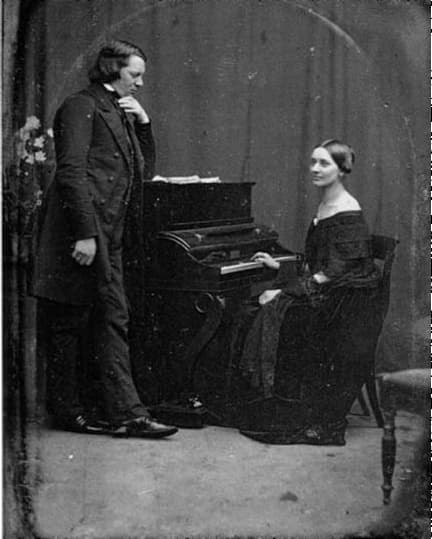
Robert and Clara Schumann
Without the advocacy of Clara Schumann, we almost certainly wouldn’t hold Robert in such high esteem as we do now.
Learn more about their working relationship here, and how Clara advocated for Robert Schumann and his music.
Johannes Brahms and Joseph Joachim
Brahms’s violin concerto
The friendship between Brahms and violinist Joseph Joachim produced some of the Romantic era’s greatest works.
The two had met as very young men and were, to use a bit of modern terminology, trauma-bonded during the illness and death of their mentor, Robert Schumann.
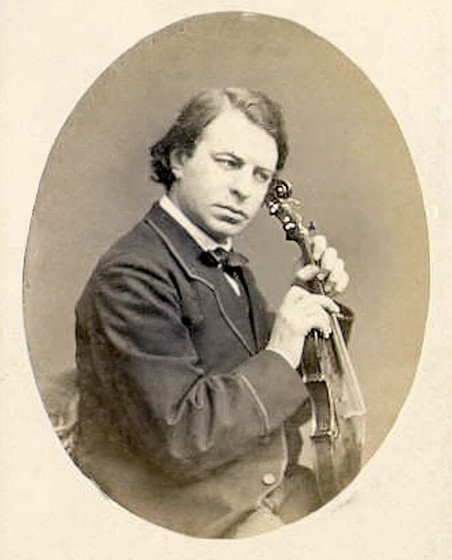
Joseph Joachim
Over their decades of friendship, they often exchanged musical ideas, but their creative partnership really hit its stride during the composition of Brahms’s violin concerto.
Joachim advised Brahms on technical details and wrote the cadenza, then became the piece’s first interpreter.
After a feud centering on Joachim’s divorce, Brahms extended an olive branch by composing his concerto for violin and cello.
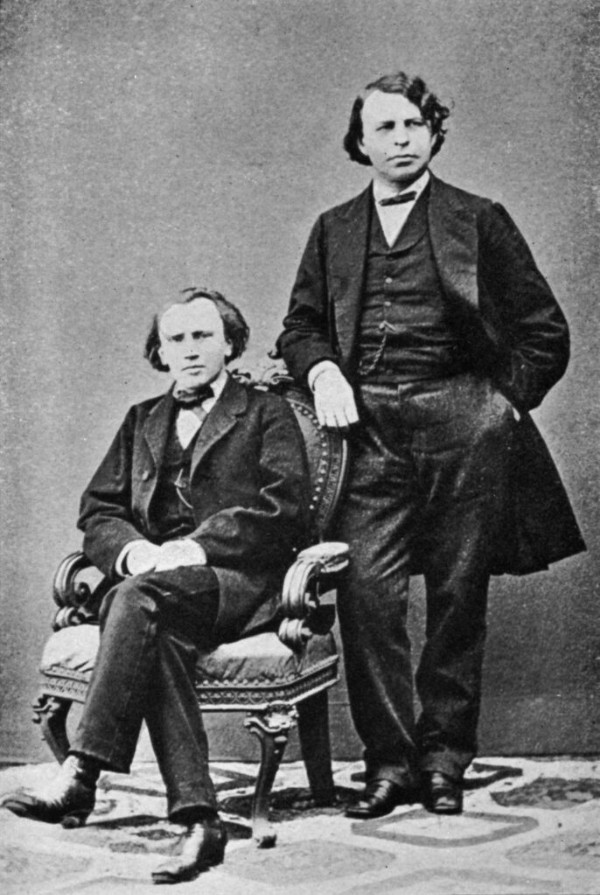
Johannes Brahms and Joseph Joachim
Their partnership was built on mutual respect: Brahms valued Joachim’s artistry, and Joachim believed in Brahms’s genius, performing his works widely across Europe.
Together, they helped to cement Brahms’s place among the greats.
Learn more about a tour that Brahms and Joachim went on together.
Edvard Grieg and Nina Grieg
Grieg’s “Jeg elsker dig!” (“I love you!”)
For Edvard Grieg, music was deeply personal, and nowhere was that clearer than in his songs.
His wife, soprano Nina Hagerup Grieg, premiered many of them, interpreting their folk-inspired lyricism with a unique and deeply personal understanding.
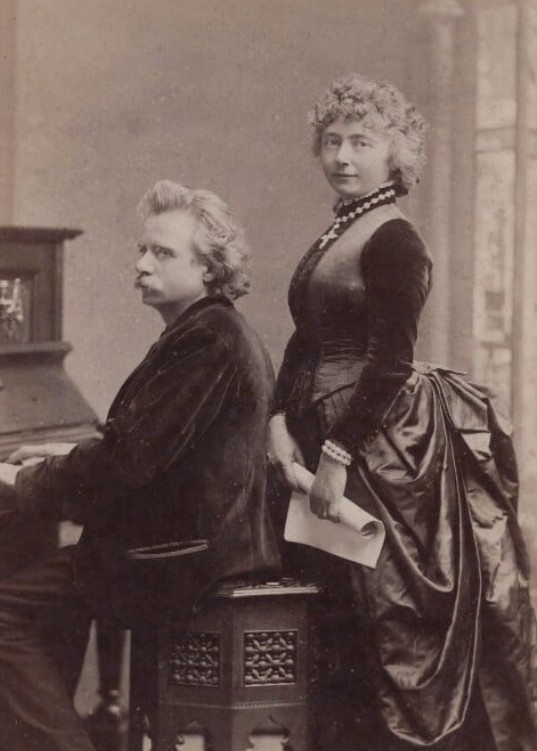
Edvard Grieg and Nina Hagerup Grieg
Nina didn’t just inspire her husband with her voice; she also traveled with him to advocate for his music, spreading it far beyond Norway.
Jean Sibelius and Robert Kajanus
Kajanus’s recording of Sibelius’s first symphony
Before Sibelius’s symphonies were beloved across the world, they had an advocate in conductor Robert Kajanus.
A fellow Finn, Kajanus conducted the premieres of many Sibelius works. He was also the first to record the symphonies in the 1930s, shortly before his death.
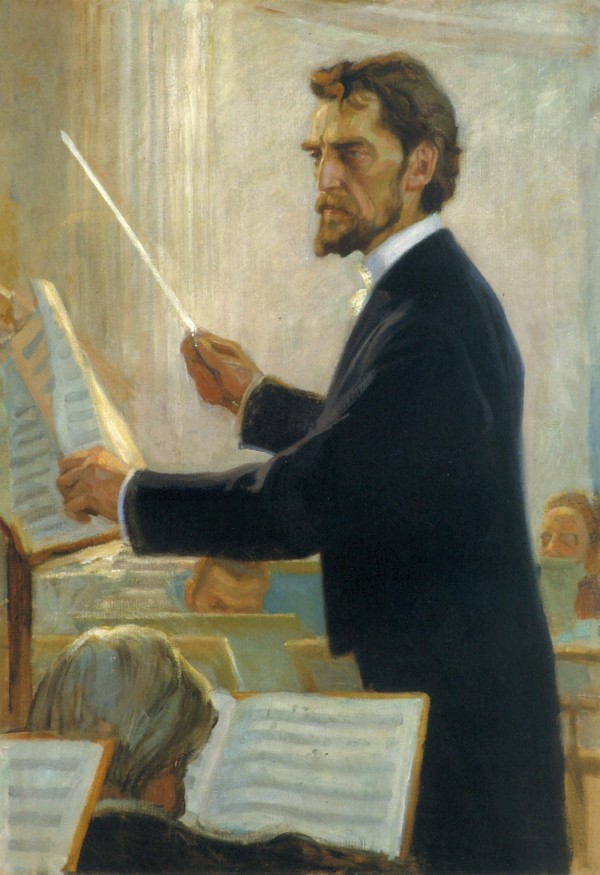
Portrait of Robert Kajanus by Albert Edelfelt, 1905
Tragically, he passed away before he was able to record the fourth, sixth, or seventh, but the recordings that do survive are vitally important historical documents.
Without Kajanus’s decades of support, Sibelius’s music might never have become as popular as it ultimately did.
Sibelius recognised this, too, claiming that “there are none who have gone deeper and given [my symphonies] more feeling and beauty.”
As a gesture of thanks, Sibelius dedicated his tone poem Pohjola’s Daughter to Kajanus.
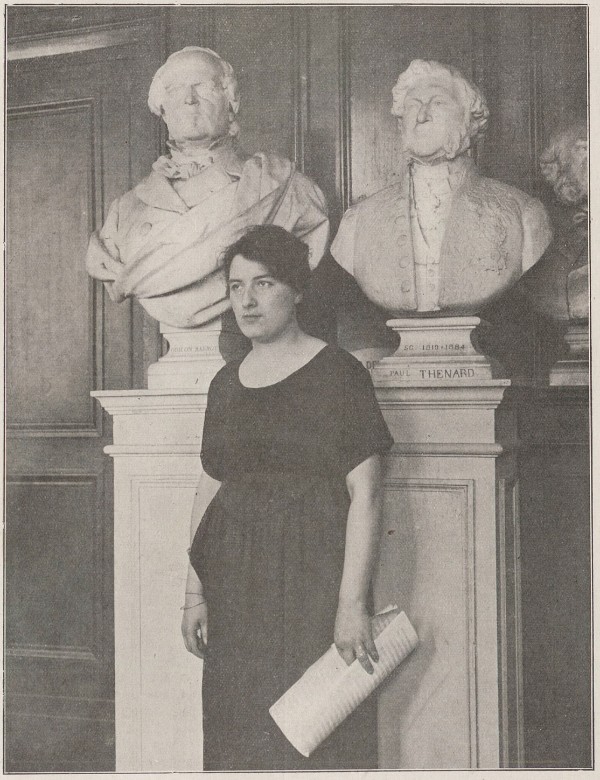
Maurice Ravel and Marguerite Long
Yuja Wang – Ravel G Major Piano Concerto plus encores
After World War I, Maurice Ravel wrote a multi-movement piano work entitled Le Tombeau de Couperin, with each movement dedicated to someone who had died in combat.
He chose his friend and colleague, the war widow pianist Marguerite Long, to premiere the work in 1919. (One of the movements was dedicated to her husband.)
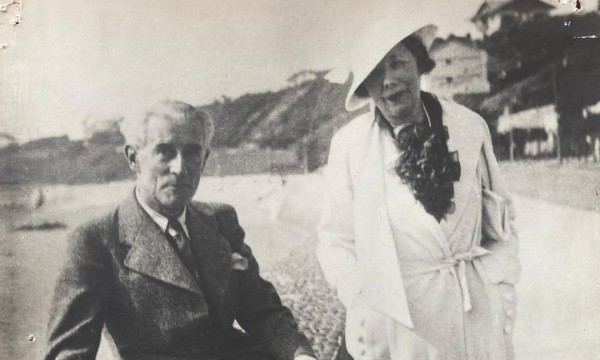
Marguerite Long with Maurice Ravel
It has since become a staple of the piano repertoire.
It makes sense that when Ravel wrote a piano concerto, he’d return to her for another collaboration.
Long’s recording of the slow movement of the Ravel concerto
Ravel’s Piano Concerto in G major might be his most dazzling work for the instrument, and it owes much of its early success to Long.
She premiered the concerto in 1932, with Ravel conducting, and went on to champion it across Europe and America.
Long’s brilliant pianism, coupled with her advocacy for French music more generally, made her one of Ravel’s greatest advocates, ensuring that the concerto quickly became a modern classic.
Learn more about the fascinating, forgotten career of Marguerite Long.
Benjamin Britten and Peter Pears
Benjamin Britten and Peter Pears in recital
Few partnerships in music were as close as that of Britten and tenor Peter Pears.
Pears was Britten’s soulmate and artistic muse, inspiring countless roles written for his voice specifically: from Peter Grimes to Captain Vere in Billy Budd.
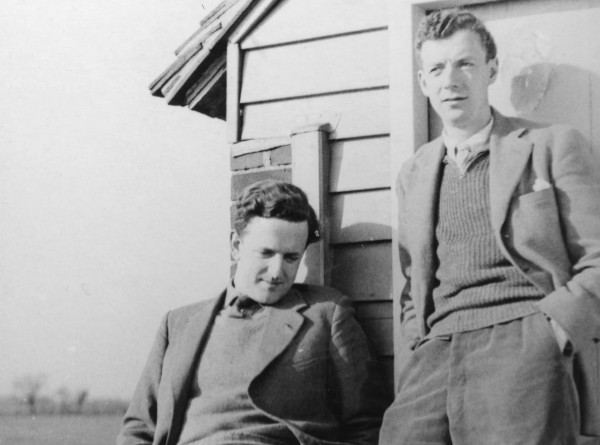
Benjamin Britten and Peter Pears
Pears’s interpretations, deeply attuned to Britten’s language, gave the music an intense power and emotional clarity.
After Britten wrote Pears a frank love letter toward the end of his life, Pears laid out what being Britten’s interpreter had meant to him over the decades:
“Love is blind – and what your dear eyes do not see is that it is you who have given me everything, right from the beginning, from yourself in Grand Rapids! through Grimes & Serenade & Michelangelo and Canticles – one thing after another, right up to this great Aschenbach – I am here as your mouthpiece and I live in your music.”
Their collaboration was both personal and professional, and it shaped twentieth-century music in a profound way.
We wrote about how their intertwined careers were, to use a quote from Pears, “a life of the two of us”.
Conclusion
Composer–interpreter partnerships remind us that music doesn’t exist on the page alone. It only comes alive in performance, and performances are often shaped by relationships of trust, admiration, and love.
These collaborations are the hidden engines of music history.
Hopefully, we are moving into an era when the interpreters are given their flowers along with their frequently deified composer partners.
For more of the best in classical music, sign up for our E-Newsletter