Frédéric Chopin’s death on 17 October 1849 was not sudden. It was the end of a long, slow, painful decline.
During the final year of his life, he gave his last public concert, signed his will, and stopped taking new pupils. His famous relationship with author George Sand was over, and the two would never reconcile. He was 39, weighed 99 pounds, and spent months unable to compose.
What followed was one of the most romanticised and mythologised deaths in classical music history. Former students, celebrated artists, and the Parisian elite attended and mourned across Europe.
Here is how Chopin’s final year unfolded, month by month.
October 1848: Chopin Draws Up a Will
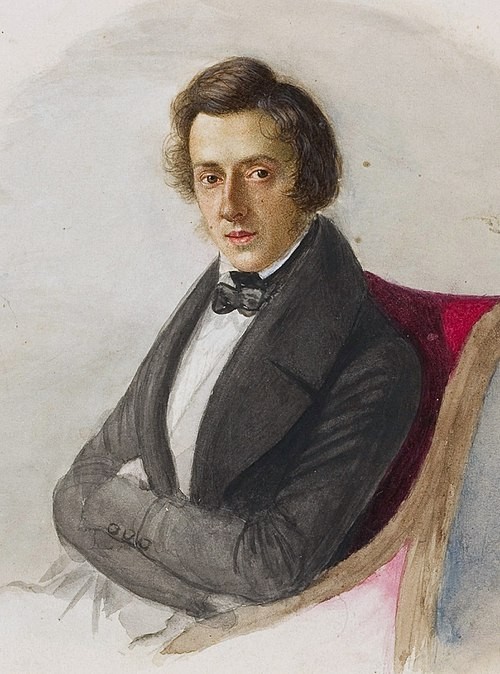
Maria Wodzińska: Chopin, 1836 (National Museum in Warsaw)
In October 1848, Chopin was finishing his final concert tour through Scotland and England, accompanied by his student Jane Stirling.
At the time, he was battling late-stage tuberculosis. His health deteriorated so much that, later in the month, while he was staying in Edinburgh, he signed a last will.
He described his choice to his friend Wojciech Grzymała as “a kind of disposition to be made of my stuff in the future, if I should drop dead somewhere.”
On 31 October, he arrived in London on his way back home.
We wrote about Jane Stirling here, the remarkable student who planned this tour and accompanied Chopin on it: https://interlude.hk/jane-stirling-why-did-this-piano-student-pay-for-chopins-funeral/.
November 1848: Chopin’s Final Concert
In November, Chopin’s health continued to go downhill. His doctors began acknowledging that his diagnosis was almost certainly a terminal one. He lost weight until he was just 99 pounds (45 kilograms).
Chopin gave his final public concert at London’s Guildhall on 16 November 1848. It was a benefit show for Polish refugees. Unfortunately, the English crowd was more interested in socialising and dancing than in listening to Chopin’s playing.
Chopin understood then that the end was nearing. He wrote to his friend, writer Stanisław Koźmian, that “I have ended my public career.”
A week later, on 23 November, he left London by rail and crossed the English Channel. He wrote to Grzymała, asking him to leave out flowers so his apartment would smell good when he arrived. He returned to his Parisian home on the 24th.
December 1848: Chopin’s Final Compositions
It is believed that sometime before the year ended, or in very early 1849, Chopin wrote some of his last music: a Waltz in A minor (WN 63) and a Mazurka in G minor (WN 64).
Chopin’s Waltz in A minor
January 1849: Chopin’s Final Picture
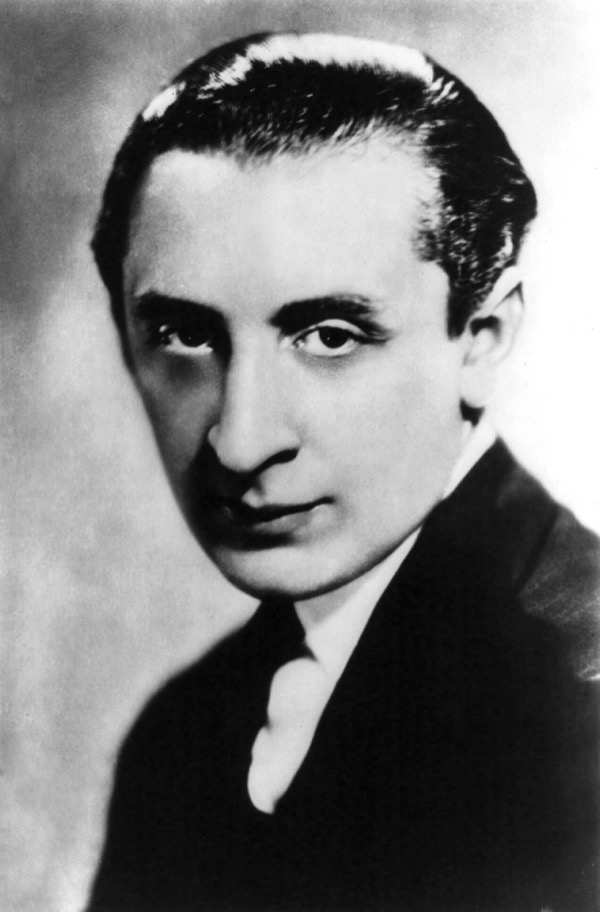
On New Year’s Day, they took Chopin’s last picture. Looking at it, it’s clear that he wasn’t feeling well.
He spent the rest of January resting, playing privately, and teaching.
Sadly, his condition deteriorated enough during the month that he stopped accepting new pupils, despite the financial hit.
February 1849: Visiting With Friends
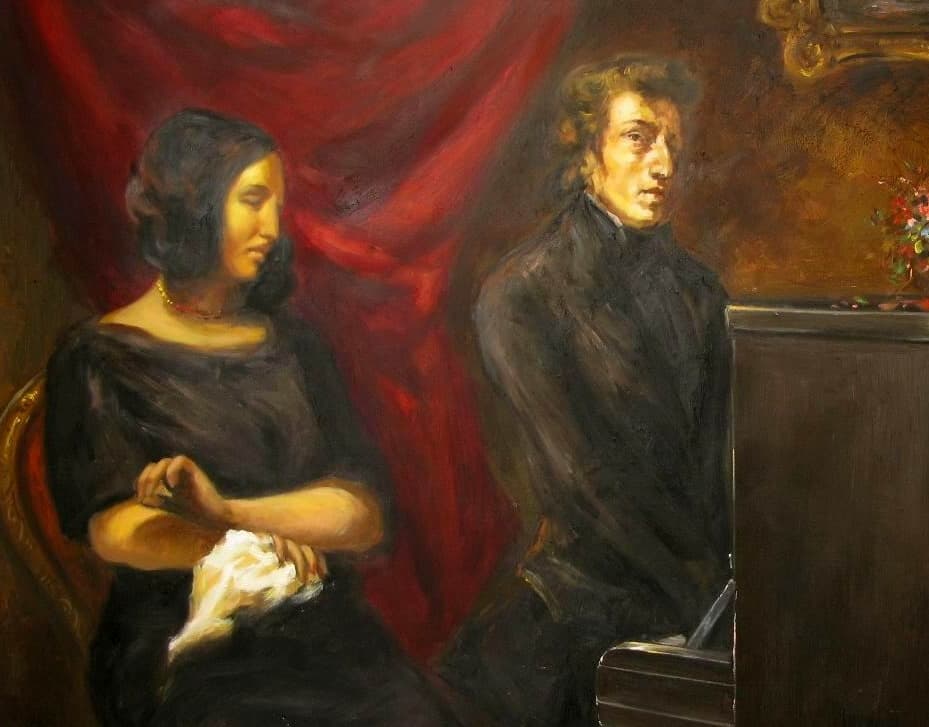
Portrait of Frédéric Chopin and George Sand by Eugène Delacroix
In February, artist Eugène Delacroix visited Chopin. He would visit eight times throughout the year.
Delacroix wrote that one of the things they discussed was Chopin’s legendary ex, the author George Sand.
Sand was writing her memoirs at the time, and the two men wondered what she would write about. Chopin would not live to see the book: she only finished and published it in the mid-1850s, years after his death.
We wrote about Chopin and Sand’s tumultuous relationship here: https://interlude.hk/frederic-chopin-and-george-sand-the-real-story-behind-their-relationship/.
March 1849: Visiting With Former Students
His health continued to deteriorate. Friends continued to come by.
In late March, Chopin’s friend and former student Countess Delfina Potocka visited to perform for him. Fellow student Maria Kalergis also dropped in to play piano.
April 1849: “Boredom is for him the cruellest torment”
Although he had broken up with her mother, George Sand, Chopin continued to correspond with Solange Clésinger, whom he viewed as a kind of daughter figure. Solange was about to give birth to her first child.
On 5 April, Chopin reported to her, “I am at a loss what to do. I have a fourth successive doctor; they take from me 10 fr. a visit – they come sometimes twice a day but bring me little relief.”
On 7 April, Delacroix swung by again, and the two went on a ride down the Champs-Élysées. Wanting to distract Chopin from his pain, Delacroix asked him about the logic of music.
Delacroix returned a week later, but by that time, Chopin was in no shape to go riding again. He reported that Chopin was “distressed” and “breathless.” “Boredom is for him the cruellest torment,” Delacroix wrote.
We wrote about Chopin and Delacroix’s friendship here: https://interlude.hk/musicians-artists-chopin-delacroix/.
May 1849: Corresponding With George Sand’s Daughter
In May, Solange Clésinger wrote to Chopin to let him know that she had given birth to a daughter. She asked if he would consider encouraging her husband, sculptor Auguste Clésinger, to work in London.
A few months later, Auguste Clésinger would create Chopin’s death mask.
June 1849: Summering in the Suburbs
It was common in aristocratic Parisian circles to leave the city for the summer. Accordingly, Chopin’s friends banded together to find him summer housing in the suburb of Chaillot.
On 18 June, he wrote to Grzymała, painting a vivid picture of life in the Parisian capital in the summer of 1849: “Everyone is leaving – some from fear of cholera, others from fear of revolution.”
In the same letter, he reported, “I am stronger, as I have caught up on eating and thrown up my medicine – but I am panting and coughing the same, just that I am bearing it better – I have not yet started to play – I cannot compose – I do not know what kind of straw I shall soon be eating.”
Four days later, he wrote, “Violent attacks of illness. Two haemorrhages during the night.”
A week later, he wrote to his sister Ludwika, asking if she could come to Paris to be with him in his final months. “If you can, then come. I am weak, and no doctor can help me like you.”
July 1849: The Door Closes on a George Sand Reconciliation
In July, Amélie Grille de Beuzelin wrote to George Sand, “He painfully feels your absence.”
George Sand replied with exasperation, making it clear that their legendary relationship was over: “His sentiment died long ago, and if my memory still oppresses him, it is because he feels pangs of conscience.”
The couple would never reconcile – and a few months later, she’d choose not to attend his funeral.
August 1849: Chopin’s Sister Ludwika Arrives to Caretake
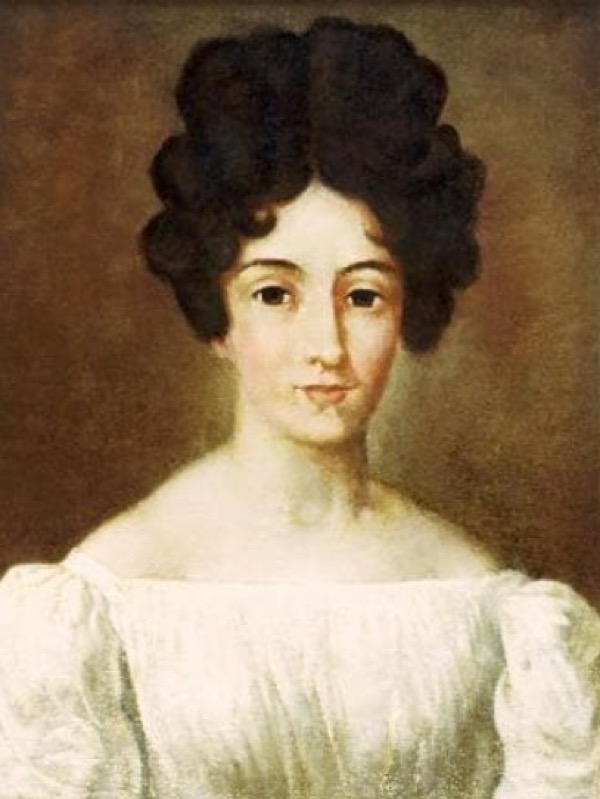
Ludwika Chopin
After a few weeks of preparing and travelling, Chopin’s sister Ludwika arrived in Paris on 9 August with her husband and their daughter.
She would stay with her brother until the end.
We wrote about Ludwika’s remarkable life – and bond with Chopin – here: https://interlude.hk/what-happened-to-chopins-beloved-composer-sister-ludwika-jedrzejewicz/.
September 1849: Final Visits
In September, it was time to return to Paris proper.
It had been months since he could teach or make money, so Jane Stirling paid for his lodgings at the Hôtel Baudard de Saint-James on the Place Vendôme. He moved there on 9 September.
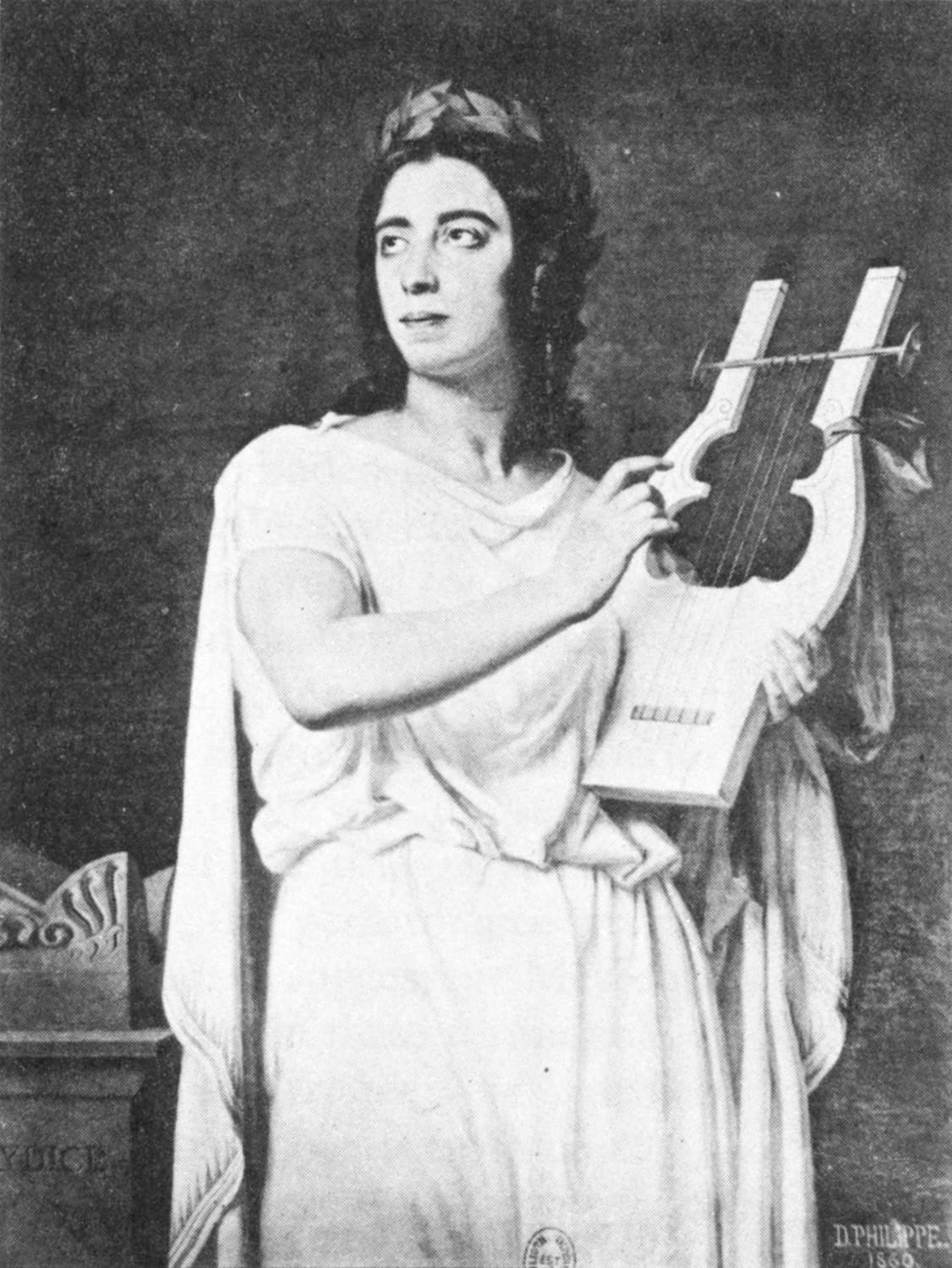
Pauline Viardot as Orphée, 1860
His colleague, singer and composer Pauline Viardot, reported that during this time, as the city paid its respects, “All the grande dames of Paris considered it their duty to faint in his room.”
October 1849: Chopin’s Death
Time was rapidly running out, and Chopin knew it. He informed his sister Ludwika that he wanted his unpublished work thrown into the fire. (She ended up disobeying his wishes, which is why we have so many posthumous Chopin works.)
Chopin’s Nocturne in C-sharp minor, Op. Posthumous
His condition deteriorated badly on 15 October. By then, only his closest loved ones remained, waiting with him for the end. We wrote about those final days here: https://interlude.hk/on-this-day-17-october-frederic-chopin-died/.
Soon after midnight on 17 October, his physician asked him if he was suffering. “No longer,” Chopin replied. He died about an hour later.
His sister Ludwika and George Sand’s daughter, Solange Clésinger, were present for his death.
After Ludwika liquidated her brother’s estate, she returned to Poland. She carried her brother’s heart with her so that it could be buried in Polish soil, as per his wishes.
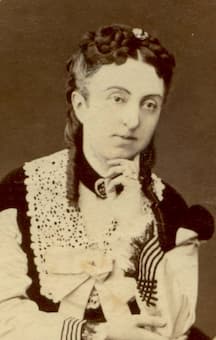
Solange Clésinger-Sand
Conclusion
Chopin’s death at 39 cut short one of the most singular careers in Western music history.
Even at the end, he was surrounded by an extraordinary web of loyalty and love. His student Jane Stirling funded his final months. His friend Delacroix visited eight times. His sister Ludwika crossed Europe to be with him, stayed until the last breath, and then carried his heart home to Poland.
The works he wanted burned survived because the people closest to him ignored his wishes. We’ve been grateful ever since.
For more of the best in classical music, sign up for our E-Newsletter