
We looked last time at the role women could play in taking over voice types that don’t exist anymore – with the demise of the castrato and the changing taste in opera, women had more opportunities on the stage. However,
In essence
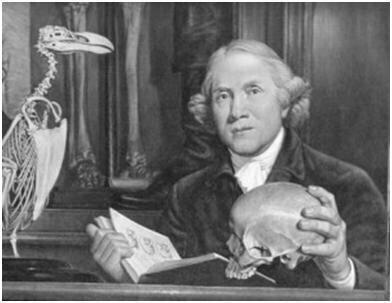
When Joseph Haydn arrived in England in January 1791, he found lodgings with the impresario Salomon in Great Pulteney Street, opposite the pianoforte shop of John Broadwood. At that time, Haydn was the most famous composer in Europe, and London
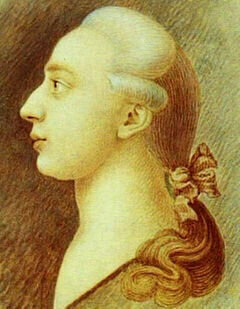
Giacomo Casanova (1725-1798) is still known to this day for his ‘complicated and elaborate affairs with women’ – not bad for someone nearly 300 years old. He ran in the highest social circles in Europe, and in addition to the
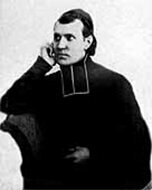
The historiography of music primarily remembers Charles Gounod as the composer of Faust, Mireille and Roméo et Juliette. However, in his 12 total works for the operatic stage Gounod engages with the entire range of operatic types available in the
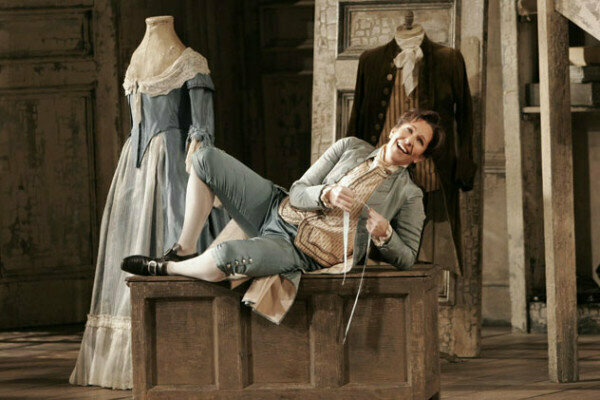
We’ve all been to the opera when they cast young men with unchanged voices in operatic roles and, well, they may not just have, let’s say, the vocal maturity to carry this off. Time for the women to take charge!
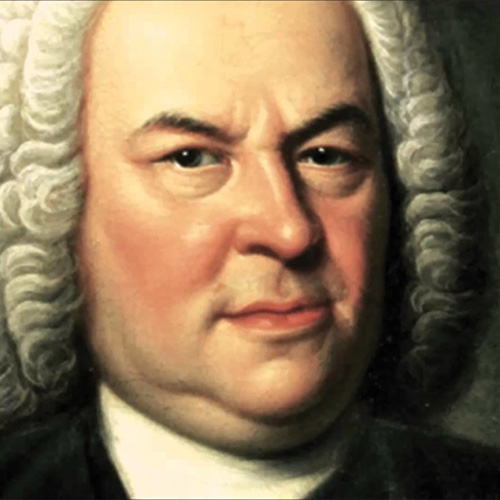
In 1742, Bach, late in his career, took a long look back at the music of his day and made such a thorough-going parody of it that we’re still not sure if he was making a social commentary or a
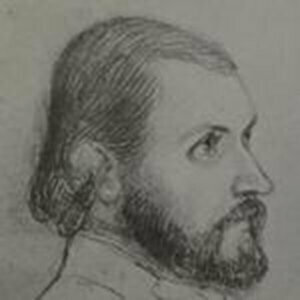
Charles Gounod unabashedly referred to Pauline Viardot as “The godmother of my career.” He first met her around a rather difficult time in his life. His brother Urbain had unexpectedly passed away, leaving behind a two-year-old child and a widow
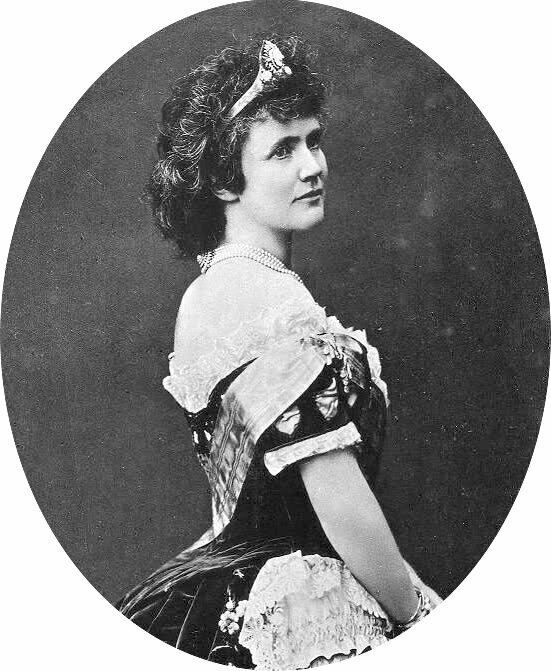
Pauline Elisabeth Ottilie Luise zu Wied (1843– 1916), the Queen of Romania as the wife of King Carol I of Romania, led her literary life as the author Carmen Sylva. She wrote across a wide number of genres, including poems,