
Working from the Habsburg court in Vienna, Christoph Willibald Ritter von Gluck, born on this day, 2 July (1714–1787), freed opera from the stranglehold of opera-series practices that had been accruing over time and created a new opera style that
Gluck
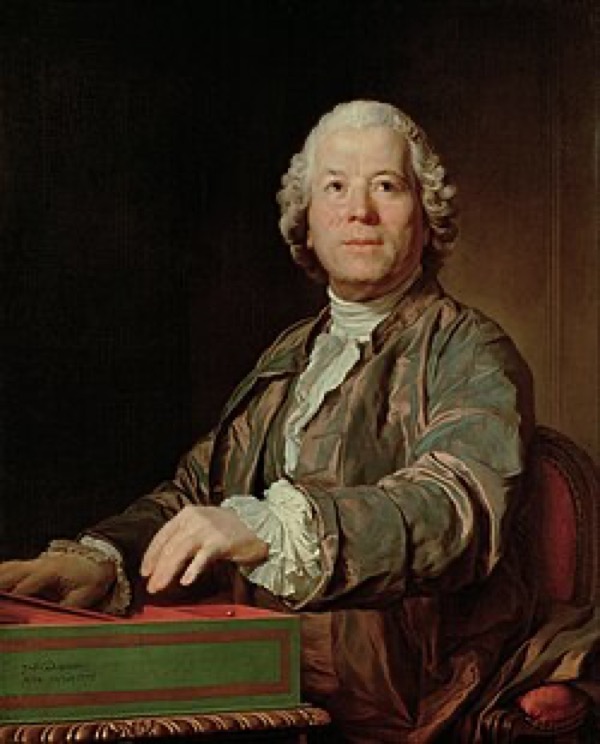
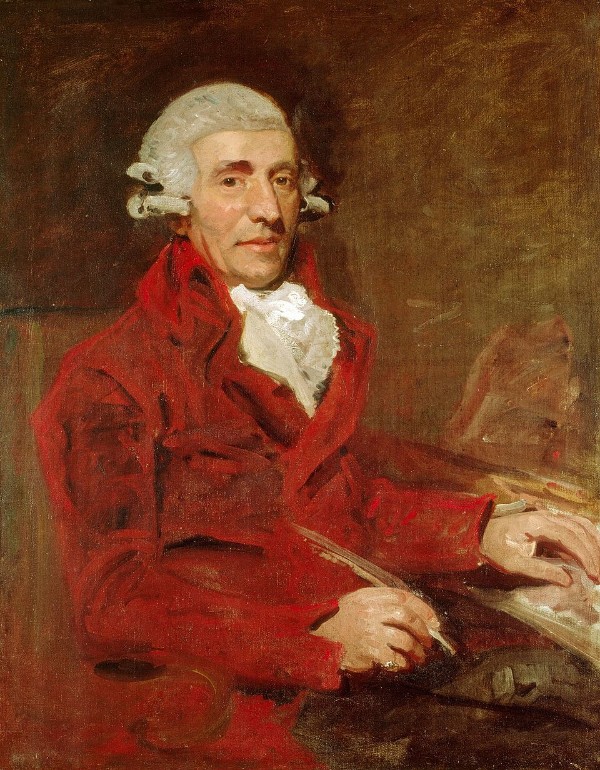
A set of short anonymous poems in Boston’s Musical Herald did a poetical job of setting out the history in limericks, along with unique rhyming spellings. We’ll start with Gluck: An ancient musician named GluckThe manner Italian forsuckHe fought with
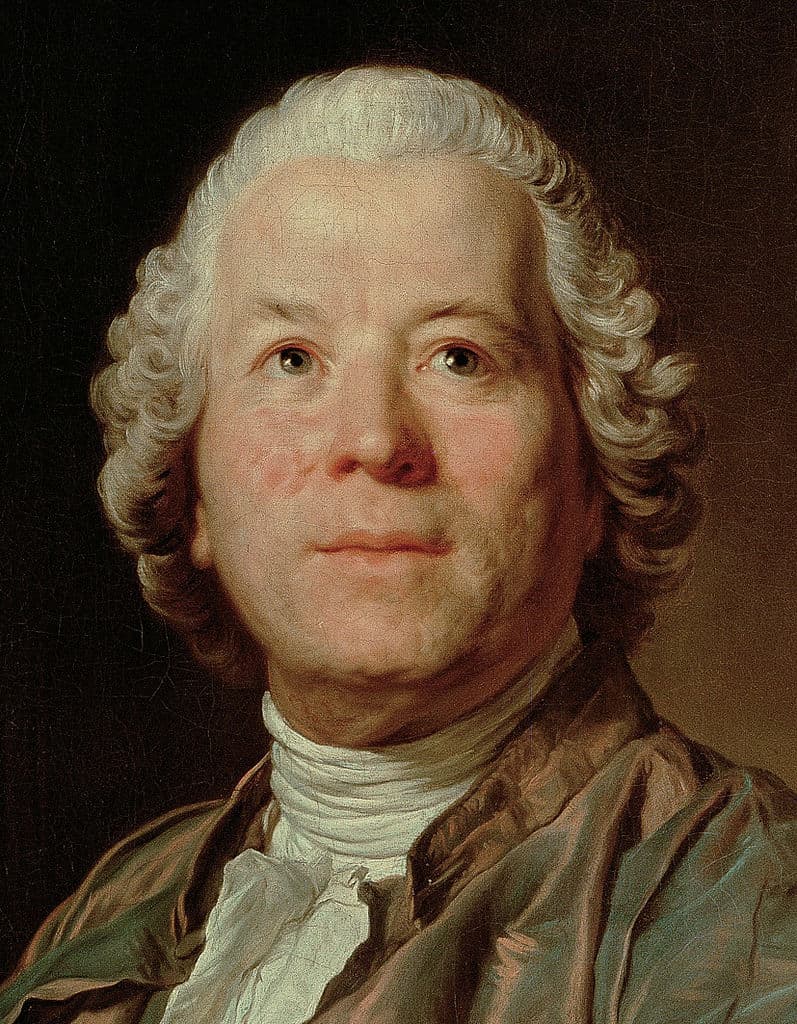
“I endeavoured to reduce music to its proper function,” wrote Christoph Willibald Gluck, “that of seconding poetry by enforcing the expression of the sentiment, and the interest of the situations, without interrupting the action or weakening it by superfluous ornament.”
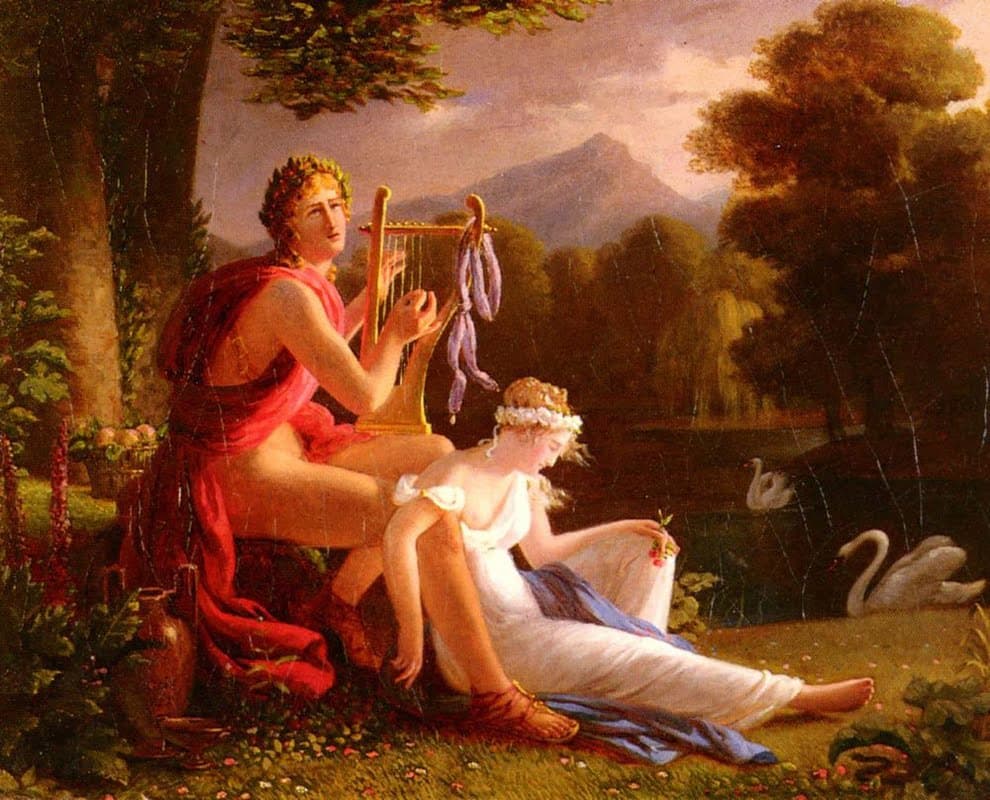
The Greek legend of Orpheus—his descent to Hades and his fruitless attempt to bring his dead bride, Eurydice, back to the world of the living—is central to the emergence of opera. Orpheus was not only the legendary hero of Greek
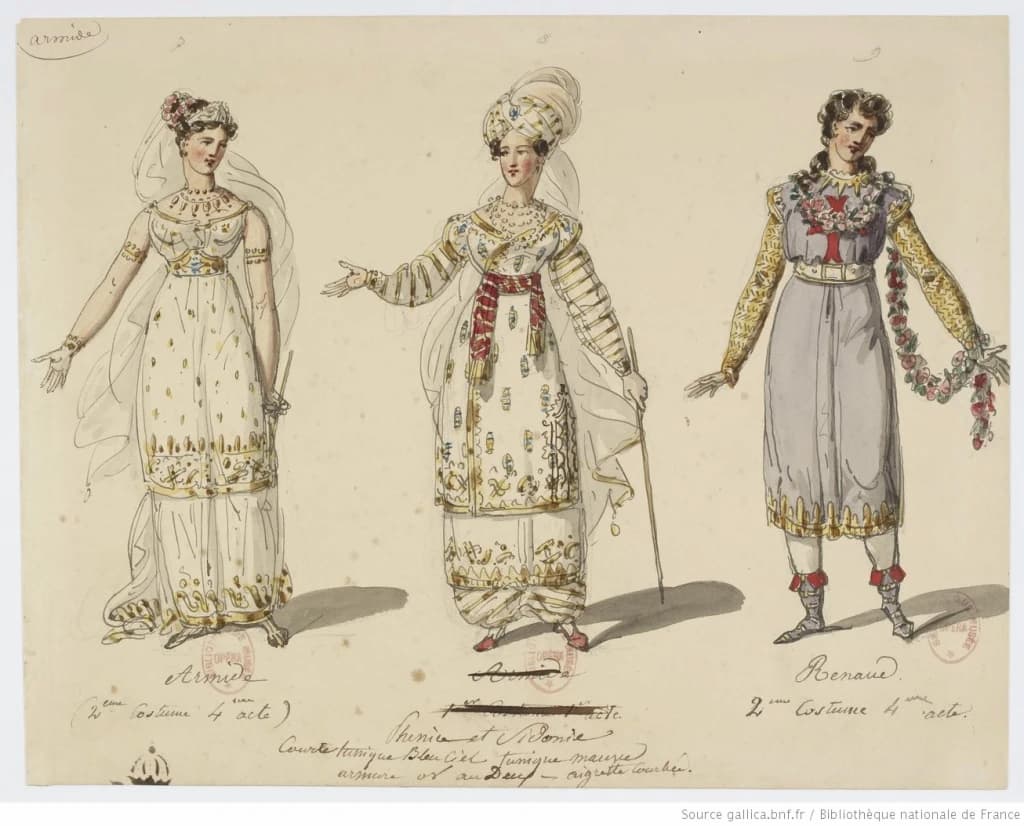
In 1575, Torquato Tasso wrote his epic poem Gerusalemme liberate (Jerusalem Delivered). Set during the first crusade, the sorceress Armida ensnares the Christian knight Rinaldo and holds him captive on an island. When she raises her dagger to kill him,
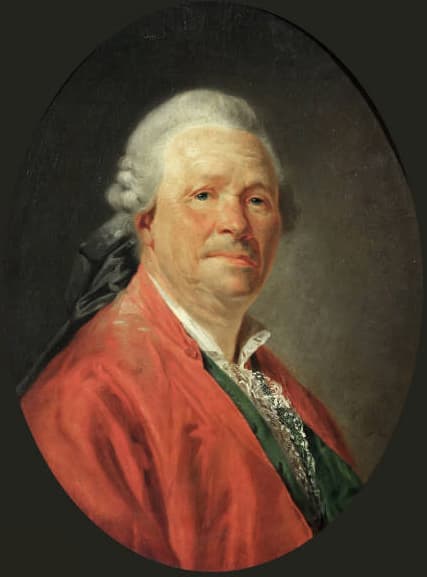
Christoph Willibald Gluck was born on 2 July 1714 in Erasbach, near Berching, in Upper Palatinate. His father Alexander “was an enterprising and energetic man, who was in charge of the forestry and the toll of several wealthy monasteries.” Alexander
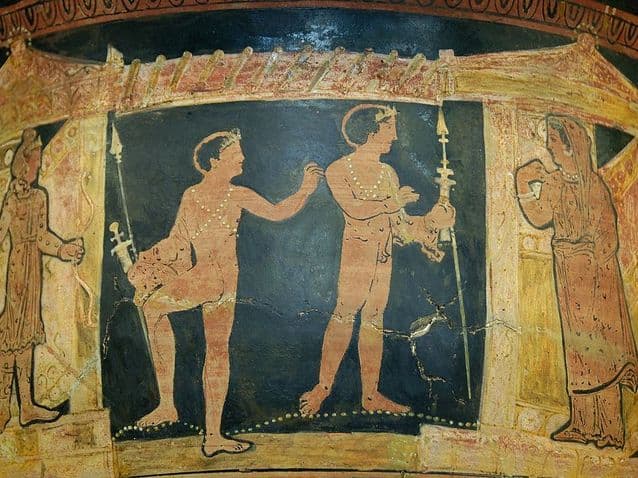
Iphigénie en Tauride has always been one of Willibald Gluck’s most frequently performed operas. It was the sixth of his seven operas for Paris, and premiered on 18 May 1779 by the Paris Opéra at the second Salle du Palais-Royal.