
Johann Strauss II Abschied von St. Petersburg (1858) An der schonen, blauen Donau (The Beautiful Blue Danube), Op. 314 (1867) Die Fledermaus (1874) I am not entirely sure who coined the saying “like father, like son”, but they certainly could
In essence
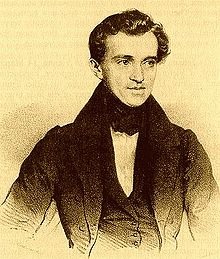
Johann Strauss Täuberlin-Walzer, Op. 1 Kettenbrücken-Walzer, Op. 4 “Homage to Queen Victoria of Great Britain”, Op. 103 (1838) “Radetzky March”, Op. 228 (1848) One would be hard pressed not to agree with the assessment of a contemporary music critic, who
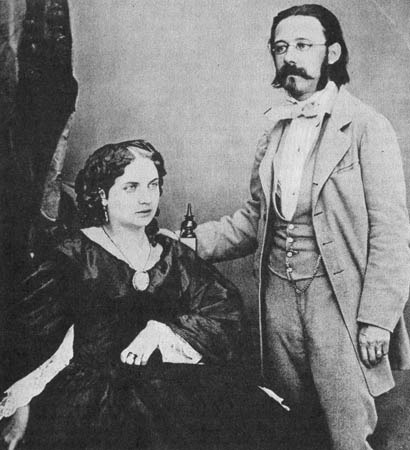
By the summer of 1874, Bedřich Smetana (1824-1884) was fighting an apparently minor throat infection that resulted in a blockage to his ears. By September, however, he had lost all hearing in his right ear, and by October he was
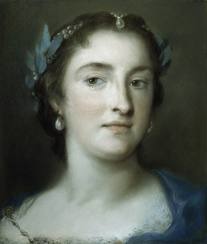
After merely two years in London, Faustina Bordoni departed for Venice. Exhausted from her petty quarrels with Francesca Cuzzoni, and tired of a feuding and bickering general public and musical establishment — which of course included Handel’s futile attempts at
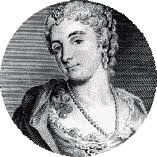
“She had a mezzo-soprano voice, that was less clear than penetrating. Her execution was articulate and brilliant. She had a fluent tongue for pronouncing words rapidly and distinctly, and a flexible throat for divisions, with so beautiful a shake that

In an interview, conducted by a special correspondent to the New York Times in London on 2 June 1874, Georgina Weldon defiantly declared “according to some authorities, an atmosphere of scandal is not only favorable to the development of musical
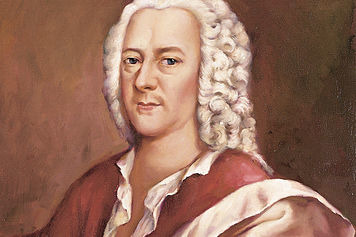
Georg Philipp Telemann TELEMANN, G.P.: Pimpinone [Opera] (1725) For one reason or another, scholarship has been unable to ascertain the exact number of children sired by Georg Philipp Telemann (1681-1767). This numerical uncertainly—not all together uncommon in the history of
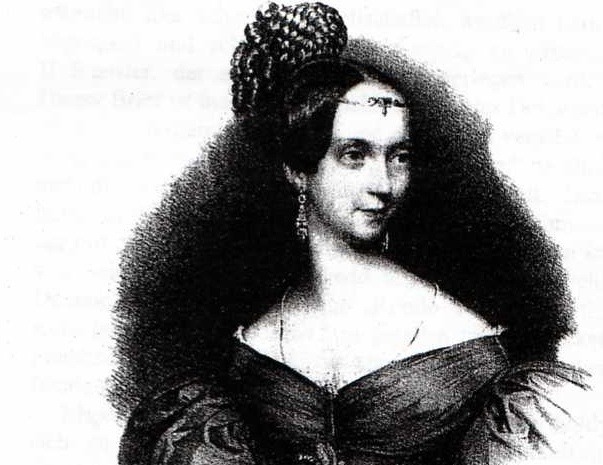
Felix Mendelssohn Song without words Book 1, Op 19No. 6 Andante sostenuto in G minor “Venezianisches Gondellied” (Venetian Boat Song) No. 1 (1830) Piano Concerto No. 1 in G minor Op. 25 (1830-31) On his way to Italy, Felix Mendelssohn