
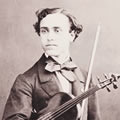
Jean-Delphin Alard’s motivation for uttering the immortal words “marry your violin, my son, never a woman” to his most famous charge, the teenage violinist Pablo de Sarasate, might have been twofold. For one, he was rather unhappily married to the
In essence
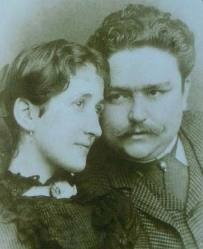
In April 1883, Rosina Jordana Lagarriga — daughter of the industrious businessman S. Simon Jordana, who lived and operated in the Catalonian capital of Barcelona — went to a local music store to look for sheet music by the sensational
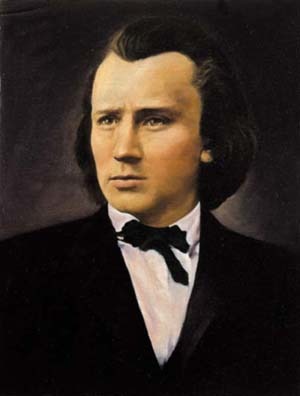
Among the great composer-musicians of the nineteenth century, Johannes Brahms (1833-1897) stands as somewhat of an anomaly. In an age that worshiped flamboyant personalities and in which composers strove to break from tradition in radical new ways, Brahms was a
Antonio de Cabezón Tiento XXV de sexto tono Pavana Italiana The immediate consequence of a rather messy political game of conspiracy and intrigue involving his own mother saw Charles V ascend to the throne of both Castile and Aragon in
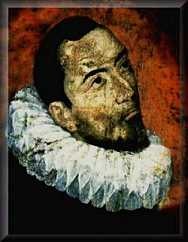
Carlo Gesualdo GESUALDO: Tenebrae Responsories for Maundy Thursday (1611) The brutal slaughter of Maria d’Avalos and her lover Don Fabrizio Carafa at the hands of Don Carlo Gesualdo was not exclusively motivated by jealousy. In fact, Italian noblemen during the
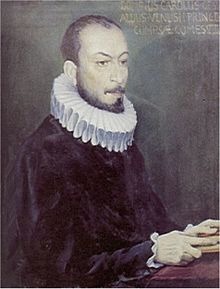
Carlo Gesualdo Madrigals, Book 6 (1611) The third act of William Shakespeare’s tragic play “Othello” contains the ominous words “O, beware, my lord, of jealousy! It is the green-eyed monster which doth mock the meat it feeds on”. As we
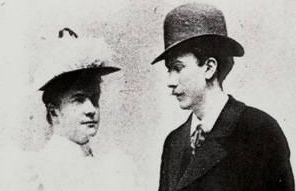
After sampling the sexual exploitations by some members of the Viennese Strauss family, it might be time to restore our faith in humanity—especially with Valentine’s Day around the corner—by taking a look at a different Strauss, namely Richard from Munich.
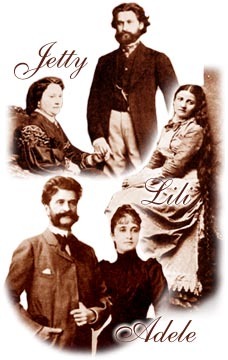
Johann Strauss II Eine Nacht in Venedig (A Night in Venice) (1883) Kaiser Walzer (Emperor Waltz), Op. 437 (1889) Aufs Korn, Op. 478 (1898) Psychoanalytical models suggest that a human being, emotionally responding to the loss of a loved one,