
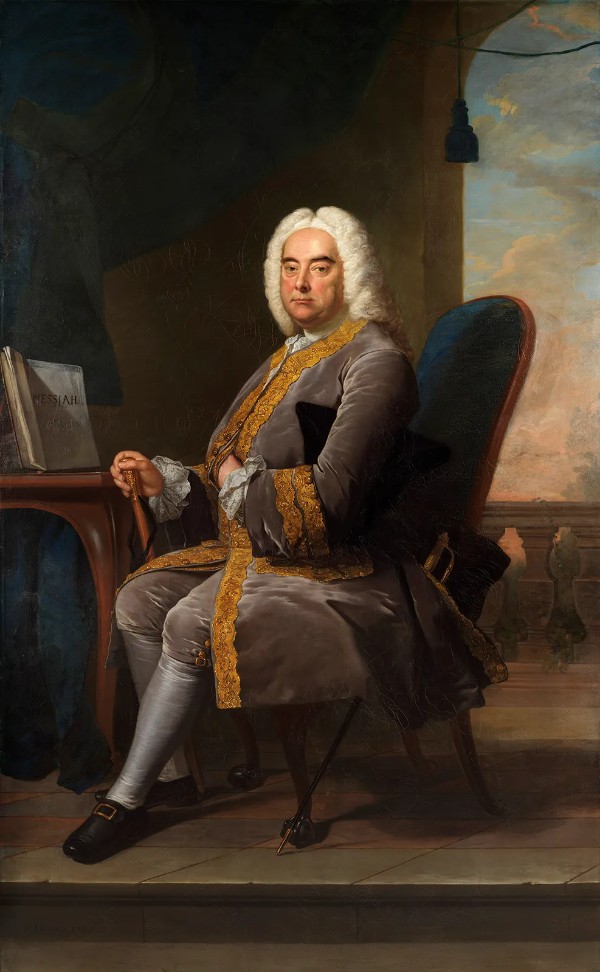
Handel myths have circulated for centuries, and generations of music lovers have believed them. But the truth is more complicated. No, Handel didn’t compose Messiah with superhuman speed. No, the king didn’t stand at the world premiere when he heard
Handel
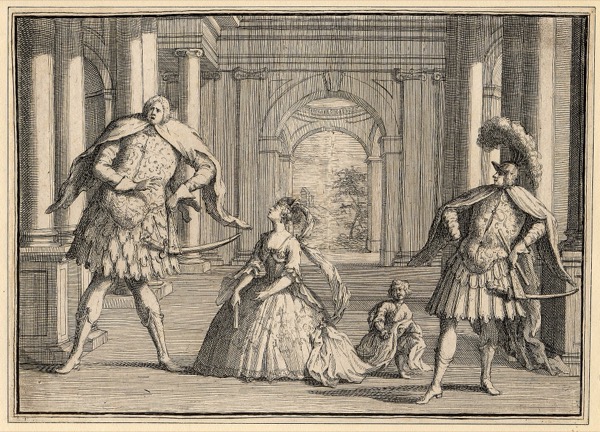
On 20 February 1724, Handel’s three-act opera Giulio Cesare (in full, Giulio Cesare in Egitto) received its premiere at the King’s Theatre in London. Exactly 125 years earlier, the same city had witnessed another great drama about Caesar: Shakespeare’s celebrated
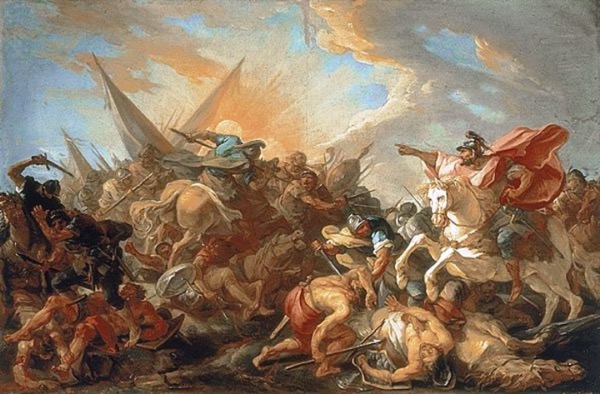
In the galaxy of classical music history, Handel was undoubtedly a master at manipulating public emotion. When mentioning his oratorios, most people immediately think of Messiah. Yet in the London of the 1740s, what truly filled Handel’s pockets and drove
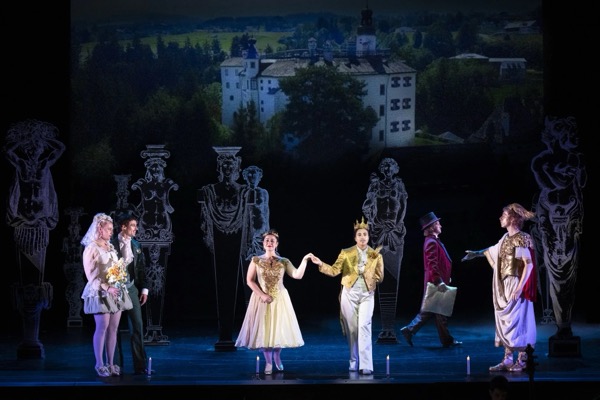
The Innsbrucker Festwochen der Alten Musik has long been a premier incubator for Baroque opera. Through its annual “Barockoper:Jung” initiative, the festival provides a crucial professional platform for former Cesti Competition winners and other exceptional young talent. Handel’s 1736 pastoral
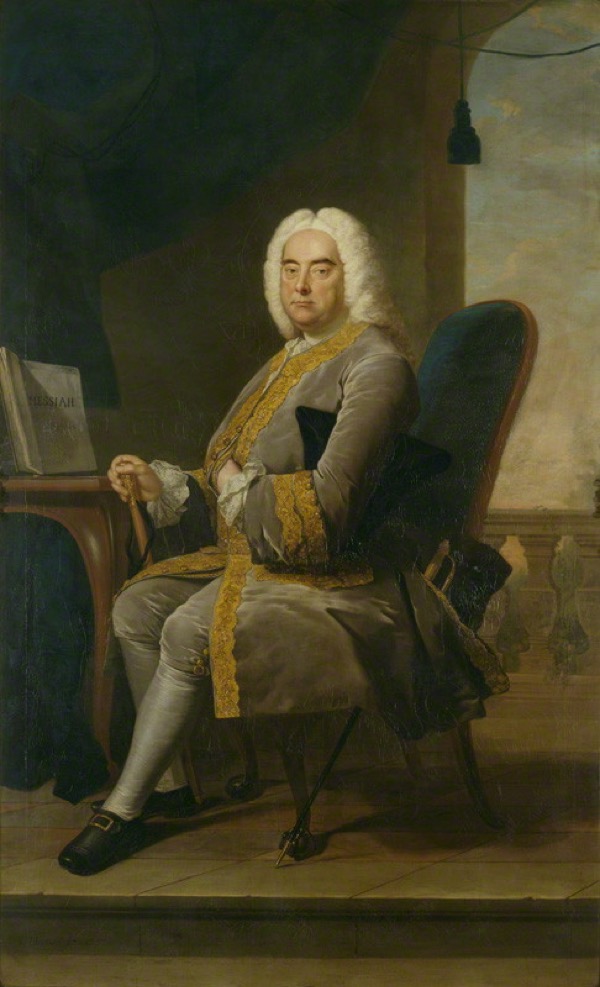
In the summer of 1741, George Frideric Handel sat down at his desk in London and began setting a biblical text to music. Twenty-four days later, he was finished. The score he produced – 260 pages, 53 movements, running nearly
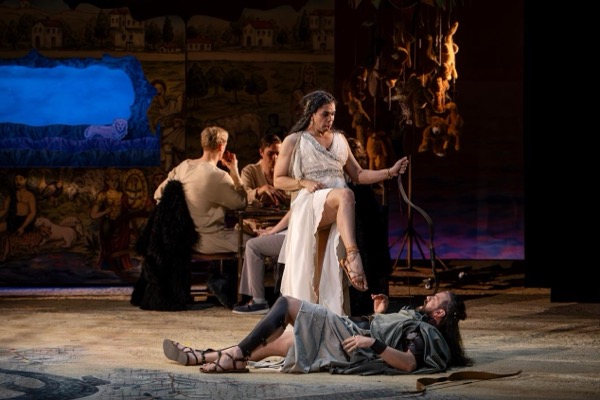
In the annals of operatic history, George Frideric Handel‘s Deidamia (1741) occupies a bittersweet position. As the composer’s forty-second and final opera, it marked the end of a momentous era for Italian opera in London. For centuries, it was often
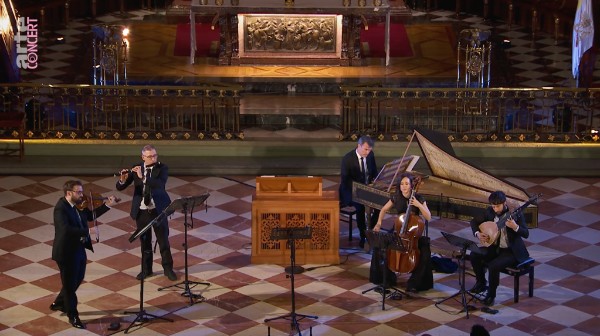
The Madrid International Festival of Sacred Art (FIAS) is a major annual festival dedicated to sacred Baroque music. Presenting vocal and instrumental music in historically informed chamber settings, this particular ARTE programme explores lesser-known works by George Frideric Handel. George
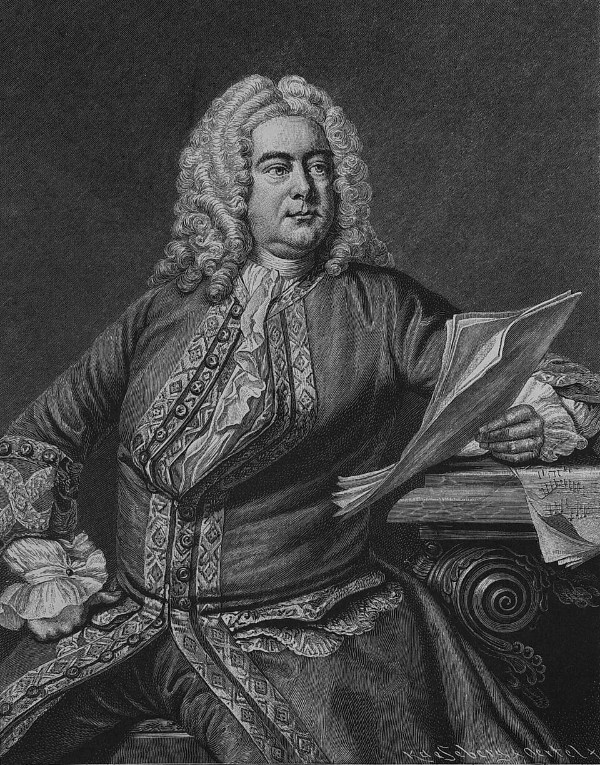
If you love Baroque instrumental music, you will undoubtedly have come across the “concerto grosso,” also known as the “big concerto.” It’s a specific form where the musical material is passed between a small group of soloists, called the “concertino,”