
Franz Liszt Annees de pelerinage, 1st year, Switzerland, S160/R10 Following the tragic death of her daughter Louise, Marie d’Agoult found herself pregnant with Franz Liszt’s child. Since she was still married to Charles d’Agoult, it was impossible to stay in
In essence
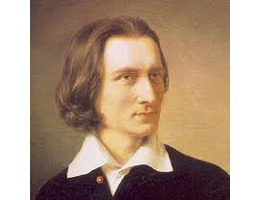
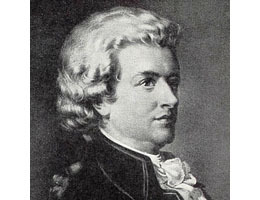
Just imagine being in Vienna on Christmas Eve 1781. Holy Roman Emperor Joseph II — eldest son of Empress Maria Theresa and her husband Francis I, and brother of Marie Antoinette — was hosting a reception for the music loving
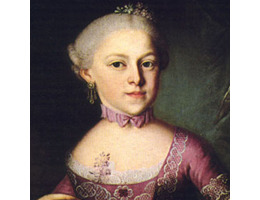
Mozart’s father Leopold early on realized that his son Wolfgang, to whom he referred as the “miracle of God permitted to have been born in Salzburg,” represented a unique talent and opportunity. In order to raise money and to spread
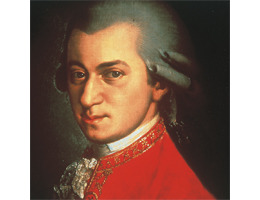
Mozart’s early experience with Italian opera is documented in Daines Barrington’s report to the Royal Society in London, published in 1769. “At nine, the prodigy could already, in improvised recitatives and arias, ape operatic styles suited to anger and tenderness”.
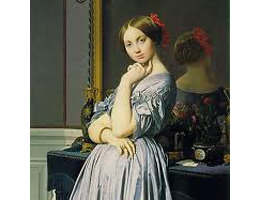
“She was beautiful, very beautiful, a Lorelei: slender, of lofty bearing, enchantingly graceful and yet dignified in her movements, her head proudly raised, with an abundance of fair tresses, which waved over her shoulders like molten gold, a regular, classic
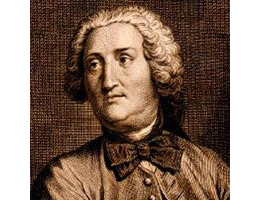
We would be entirely wrong to assume that musical duels were in the exclusive domain of the 19th Century. Far from it, throughout the 17th and 18th Centuries, musicians busily battled in musical contests that measured technical facility and improvisational
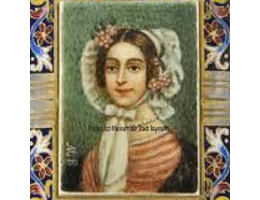
Devastated by having been forbidden to see his first sexual conquest and true love Caroline de Saint-Cricq ever again — her father had rather unceremoniously suggested that the boy take his Bohemian behind somewhere else — Franz Liszt seriously contemplated
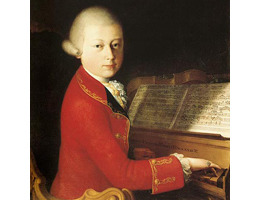
Around the 5th century BC, a Celtic tribe established a small settlement on the banks of the river Salzach. By 15 BC the settlement had grown into the city Juvavum, and was part of the Roman Empire. The modern name