
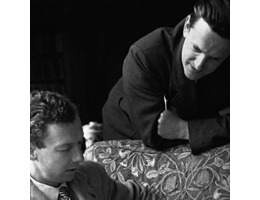
7 Sonnets of Michelangelo, Op. 22Benjamin Britten, pianoPeter Pears, tenor In 1974, Benji Britten and Peter Pears exchanged a number of remarkable letters that summarized not only their personal relationship but also their artistic careers. Dated 17 November 1974, Britten
In essence

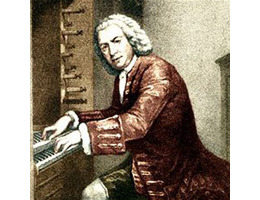
Throughout his extended Leipzig career, J. S. Bach had a rather uneasy relationship with civic and church authorities. At his election as Cantor of St. Thomas Church in 1723, Bach was cautioned to make compositions that were not theatrical. “In

Having resisted the sexual advances of WH Auden, who eventually turned rather spiteful and detailed Benji’s defects of character in an acerbic letter, “I am certain too that it is your denial and evasion of the demands of disorder that
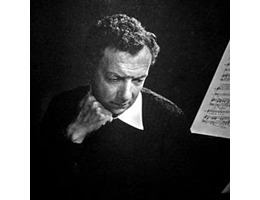
Besides studying and emulating the works of 20th century composers, Benjamin Britten became increasingly fascinated by English music of the late 17th and early 18th centuries, most notably the music of Henry Purcell. He wrote, “One of my chief aims
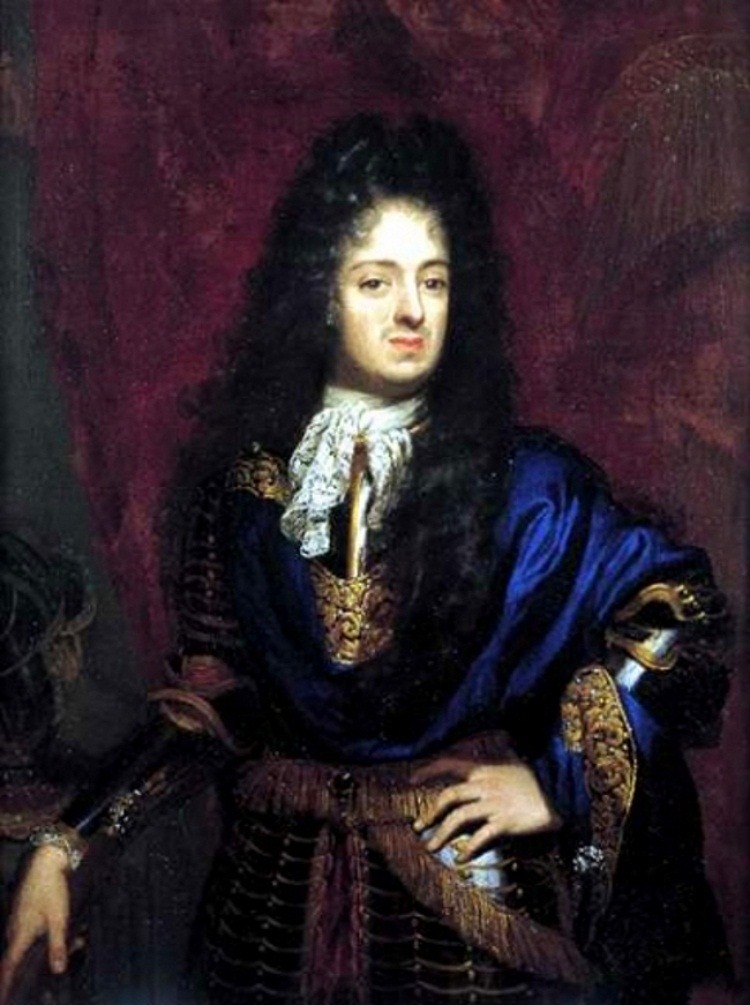
Sometimes, the course of musical history is utterly changed by the split decision of a single individual. When Ferdinando de’Medici, Grand Prince of the Duchy of Tuscany needed a caretaker for his roughly 75 musical instruments, he hired Bartolomeo Cristofori,
By the early 1940’s, the pianist Vladimir Samoylovich Horowitz — and his conducting father-in law Arturo Toscanini — had reached the pinnacle of fame in the United States. Described as a “tornado unleashed from the steppes,” Horowitz mesmerized audiences with

During his apprenticeship with Frank Bridge, Benjamin Britten began work on a set of variations on a theme by his teacher. It took Britten 5 years and a specific request from the conductor Boyd Neel and the Salzburg Festival in