
When Johannes Brahms delivered his Clarinet Sonatas Op. 120 to Richard Mühlfeld, he basically apologized for not having written a clarinet concerto. And what a glorious addition to the repertoire it would have been! As such, however, it was left
In essence
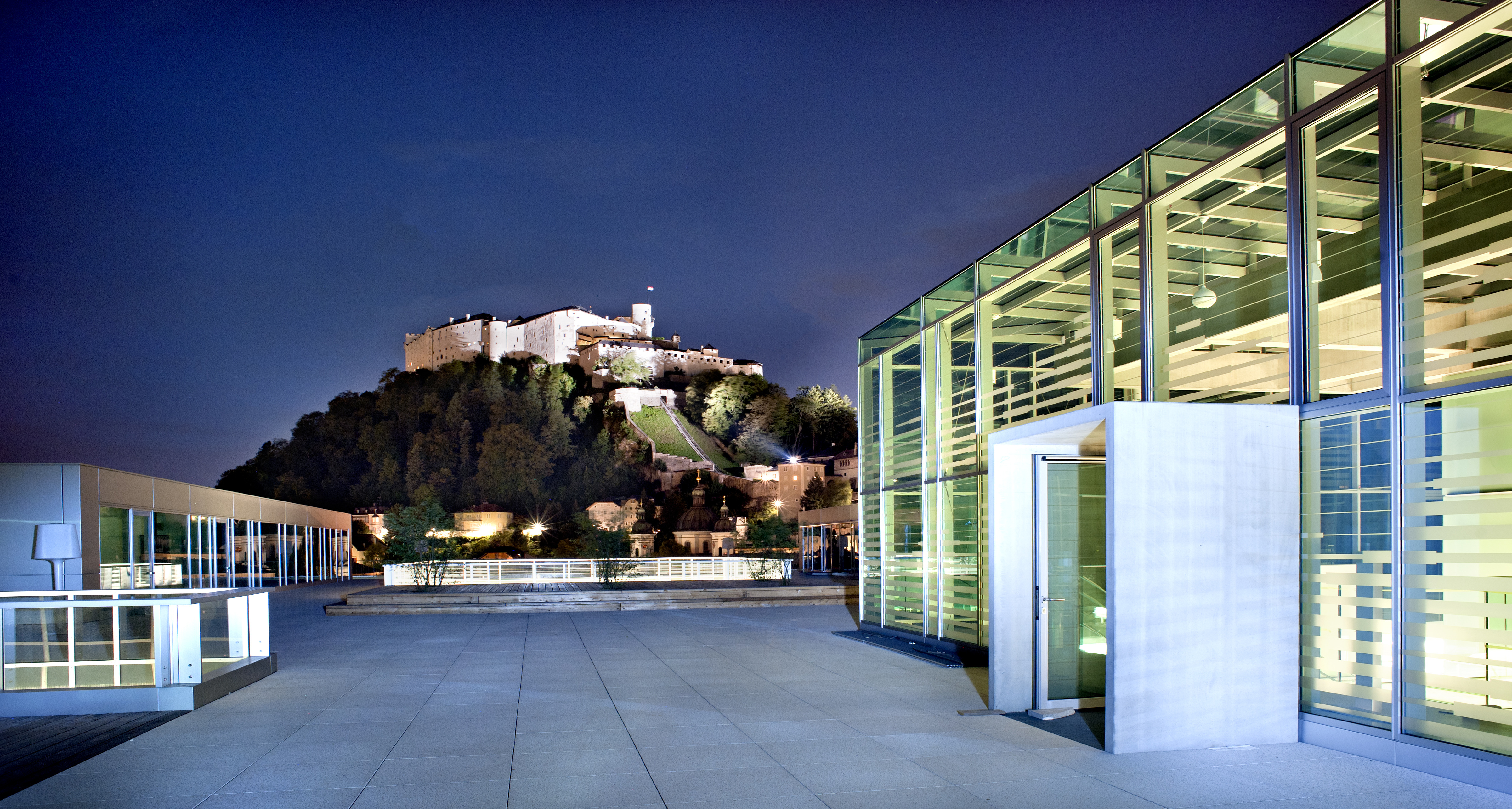
It was only a matter of time before the city of Salzburg exploited the name of their most famous son for commercial reasons. Wolfgang Amadeus Mozart, as we all know, deeply resented his hometown and he wasted no time in
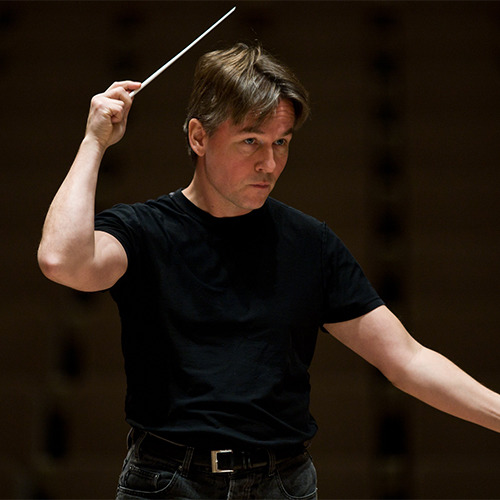
In 1997, conductor Claudio Abbado had a somewhat novel idea. He was looking to establish an independent and free international orchestra that plays at the highest artistic level. Instead of relying on a dedicated government funding structure, Abbado envisioned an
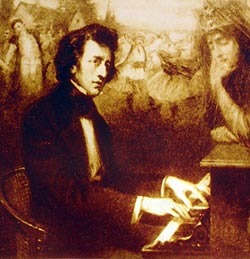
Chopin took up the medieval idea of the ballad, combined it with the idea of the Italian dance called the ballata, and mixed in a bit of standard sonata form and created the Ballade. These one-movement pieces call for an
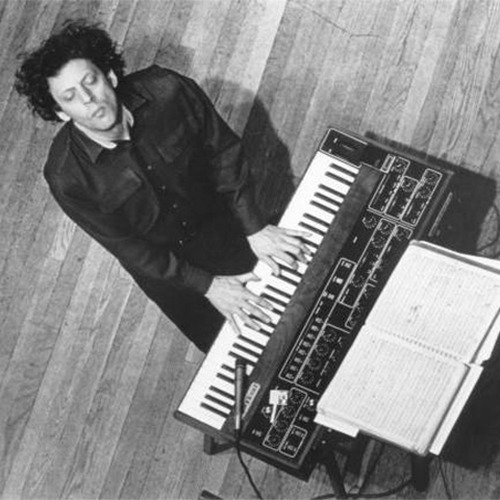
In order to pay rent, composers frequently take up secondary jobs. Borodin was a licensed chemist, Ives worked in the insurance industry, and the pioneer of minimalist music Philip Glass supported himself by working as a plumber, furniture mover and
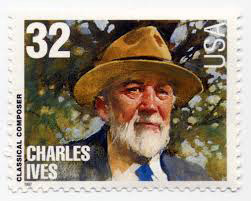
With his father the most influential musician in the Danbury Connecticut region, it’s no wonder that Charles Ives started his musical education at an early age. While his father hoped that Charles would pursue a career as a concert pianist,
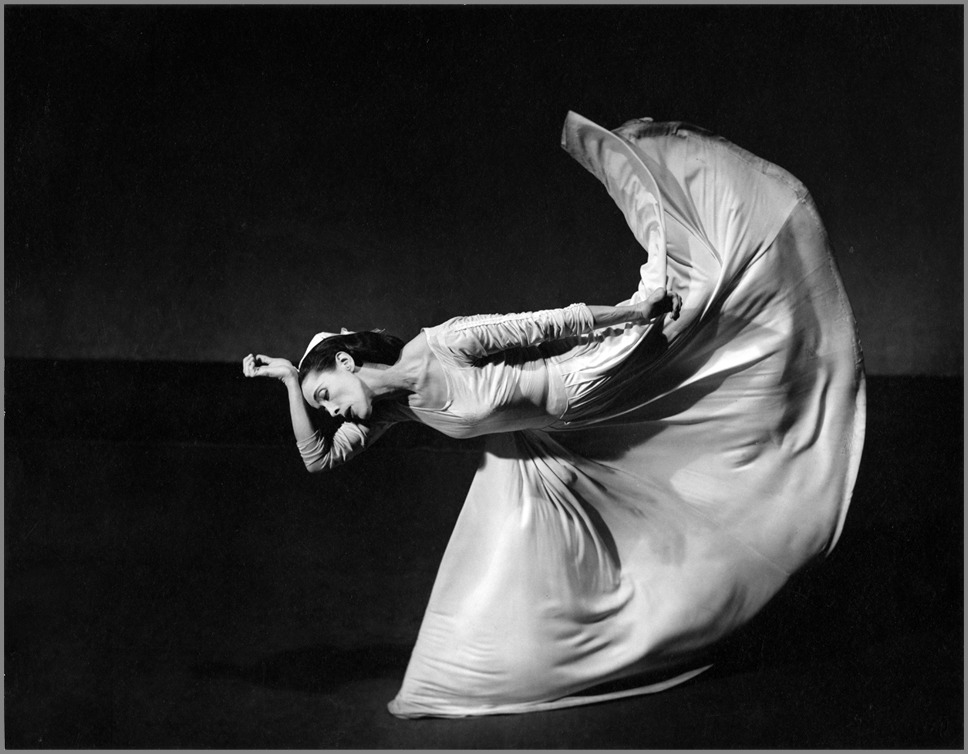
Aaron Copland’s Most Famous Pieces Appalachian Spring Aaron Copland gained worldwide recognition for his ballet score Appalachian Spring. The work was the result of a commission by the modern dancer and choreographer Martha Graham and her contemporary dance company. Copland
Moonlight, Eroica, Jupiter, Unfinished, Clock, Four Seasons, New World— have you wondered how certain pieces of music got their names so ubiquitous you can probably guess the works and identify the composers? Classical music can be divided into those that