
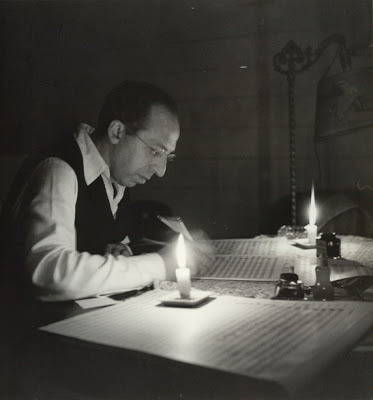
Aaron Copland (1900-1990), widely regarded as one of the most respected American classical composers of the twentieth century, conducted his “personal life with the characteristic modesty, tactfulness, and serenity that marked his professional life as well.” Copland was described as
In essence
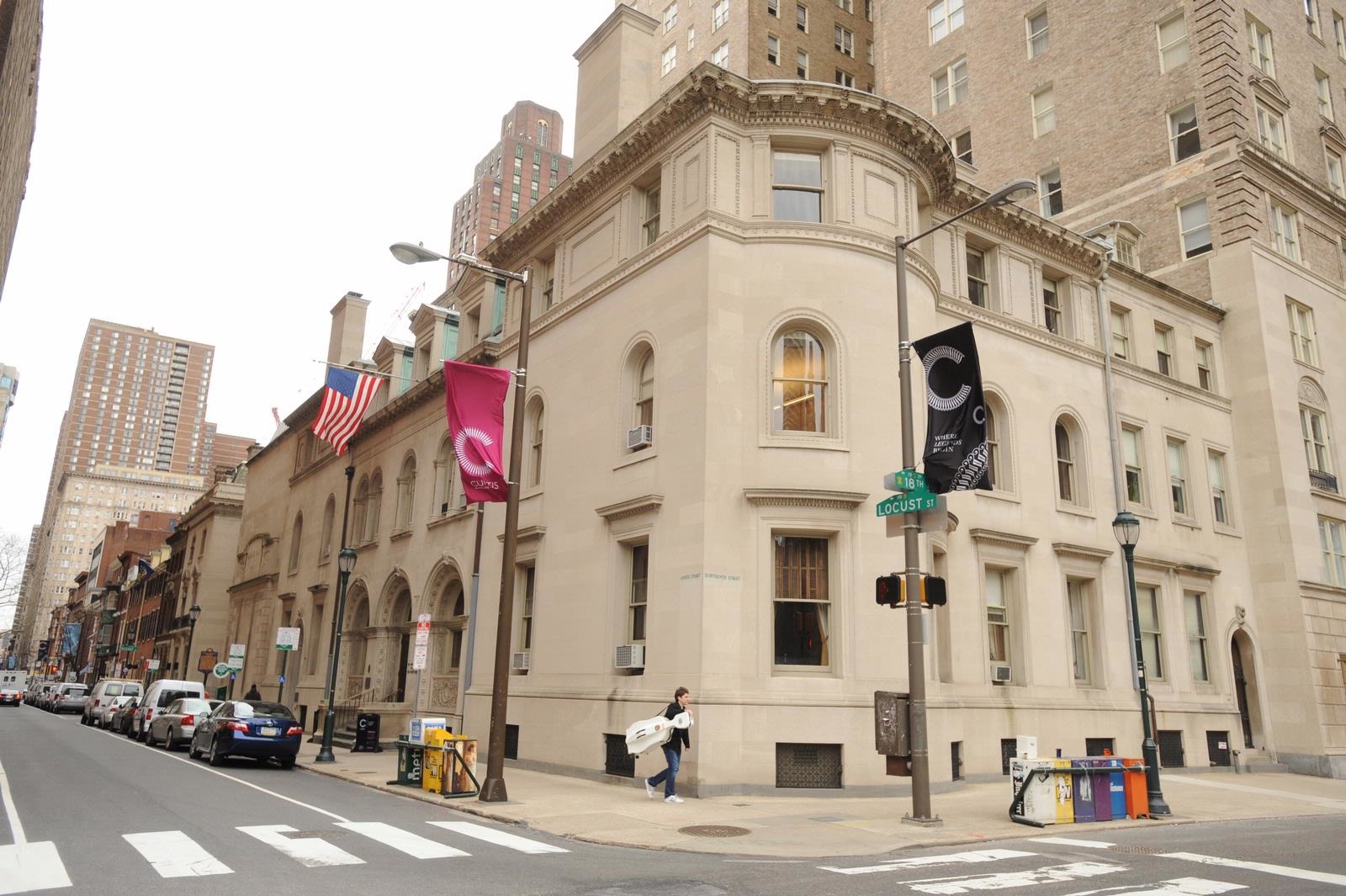
Founded on 13 October 1924, the Curtis Institute of Music has since become one of the leading classical music conservatories. It educates and trains exceptionally gifted young musicians for careers as performing artists on the highest professional level. And that,
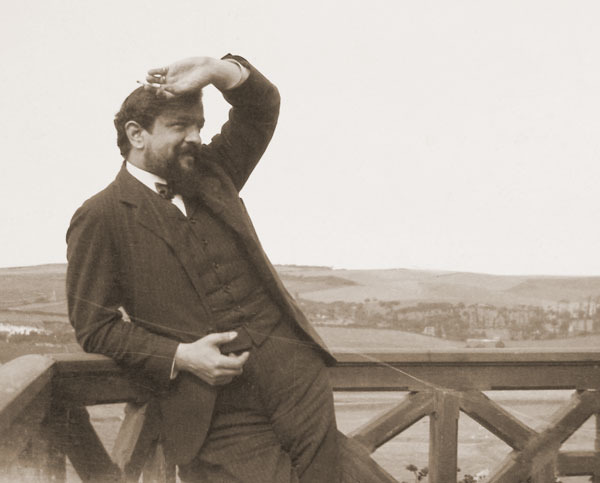
Demoralized by the carnage of World War I and fighting his own battle against cancer, Claude Debussy (1862-1918) writes, “Try as I may, I can’t regard the sadness of my existence with caustic detachment. Sometimes my days are dark, dull,
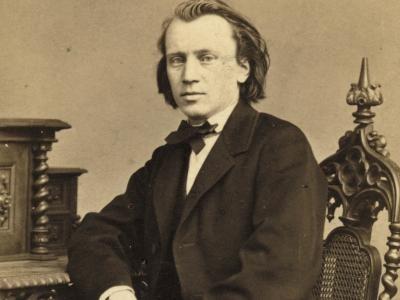
In music, nobody felt the anxiety of the past—specifically the looming shadow of Ludwig van Beethoven—more acutely than Johannes Brahms. Brahms told his friends that it was “horribly difficult to compose anything with Beethoven standing on his shoulders.” Over a
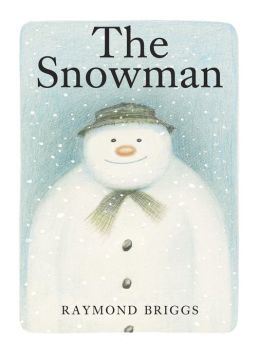
Benjamin Britten (1913-1976) wrote his orchestral showpiece The Young Person’s Guide to the Orchestra in 1946 as a commission for an educational film on the instruments of the orchestra. Britten used a theme from the Baroque British composer Henry Purcell
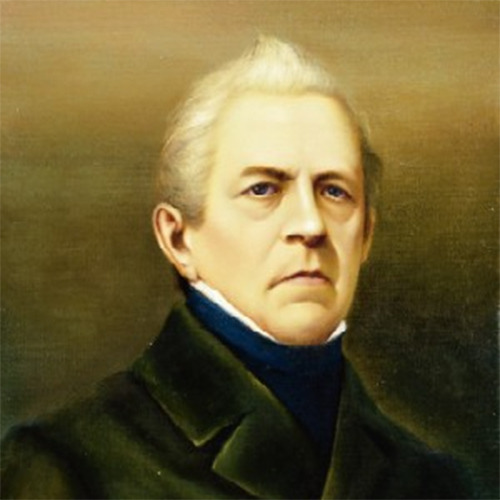
Sweden’s best Romantic composer Franz Berwald (1796-1868) holds the dubious distinction of being one of the most neglected composers in music history. In fact, he was so obscure that in 1946 the Swedish postal service, given the choice between putting
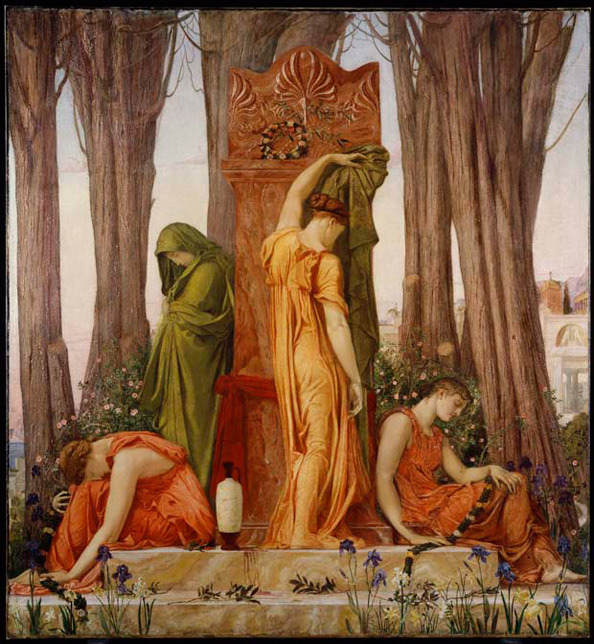
Laments continued to be very special works – rarely written and always filled with a very high emotional intensity. Elegies, on the other hand, were more of a late-19th-century phenomenon. Rather than heart-felt cries of despair, they were more like

It’s not really known who wrote the Toy Symphony, and it’s credited to both Joseph Haydn and Leopold Mozart. One problem is that the work didn’t appear in print until 1820, long after the death of either composer. The original