
With the German Sixteenth Army strategically entrenched just thirty miles southeast of Leningrad, the city also known as St. Petersburg got ready for the most prolonged siege of World War II. Among the citizens of Leningrad was a thirty-four-year-old composer
In essence

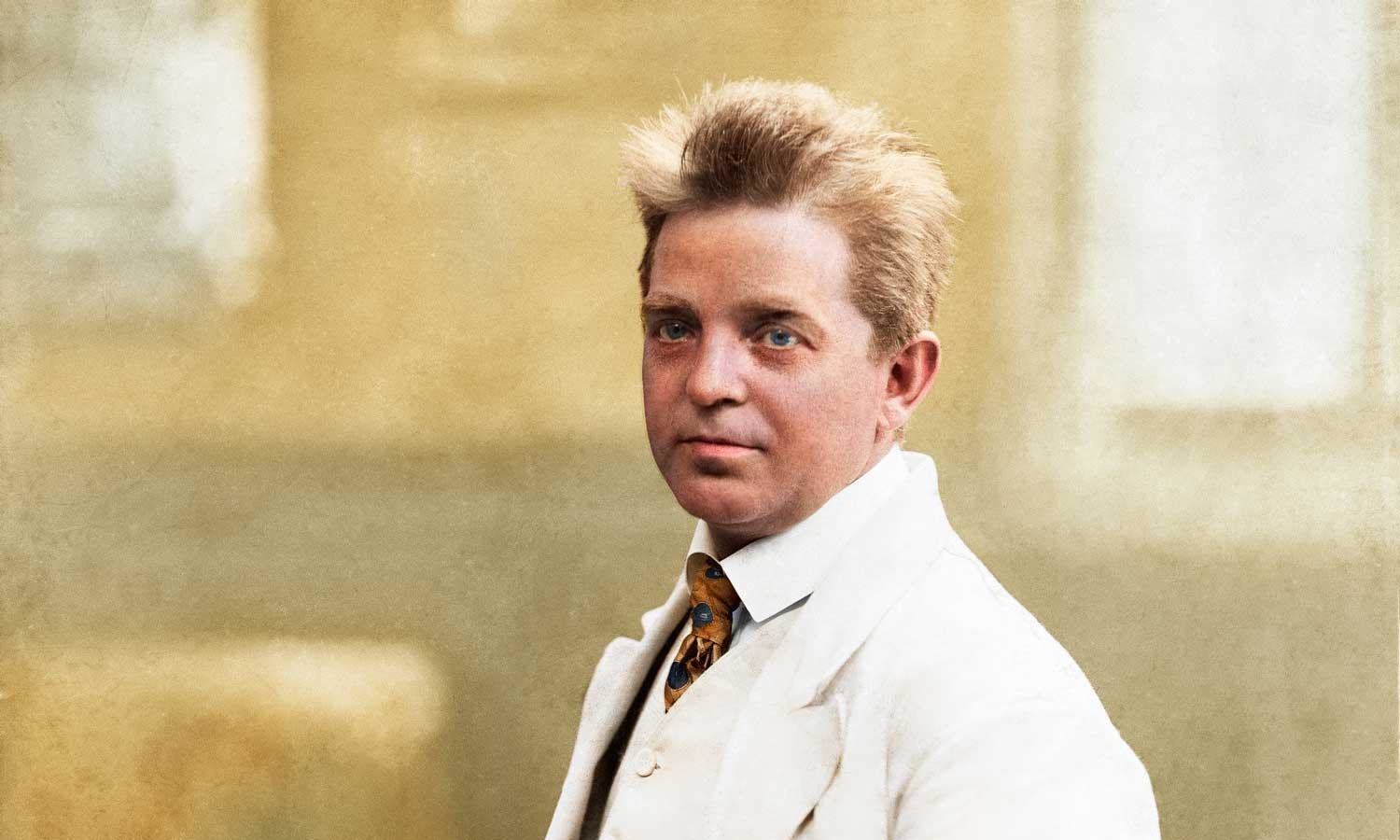
What do you do if you’re stuck in the frozen north and are looking longingly at the sunny south where your wife is working? Well, you take a holiday and then, if you’re a composer, you write something that brings

The Russian composer Alexander Scriabin was very interested in relating color and sound. Scriabin had synesthesia – he actually heard in color; his friend Nikolai Rimsky-Korsakov had the same sense. In 1910, Scriabin codified his sound and color senses and
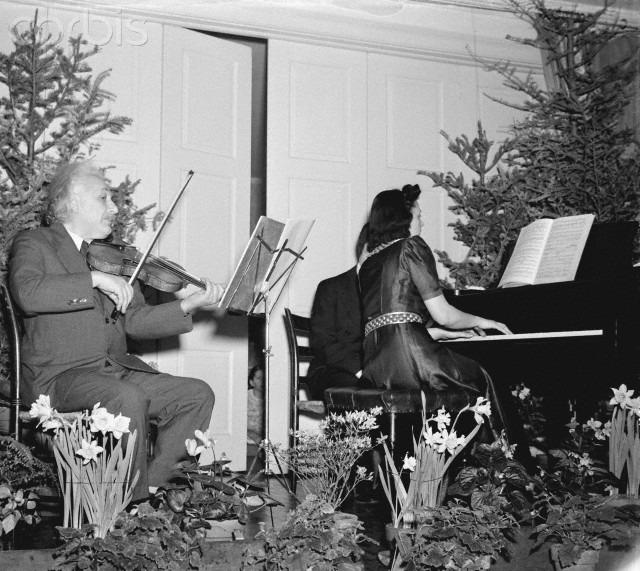
Artists tend to find inspiration everywhere; in food, unrequited love, the beauty of nature or even in a textbook on physics! It so happened when Bohuslav Martinů met Albert Einstein in December 1943. Both men had been forced to escape
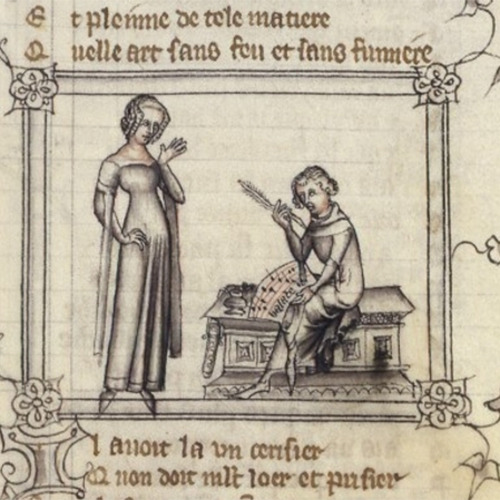
It has long been suspected that intense sexual relationships are an impediment to artistic creativity. Don’t take my word for it, just read what Frédéric Chopin had to say about the disastrous effect the Countess Delphina Potocka had on his
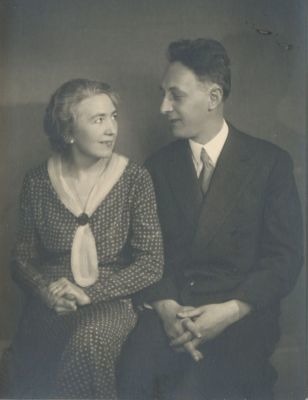
Ernest Hemingway once famously wrote, “If you are lucky enough to have lived in Paris as a young man, then wherever you go for the rest of your life, it stays with you, for Paris is a moveable feast.” For
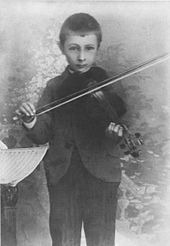
At the tender age of 5, Bohuslav Martinů gave his first public performance as a solo violinist in his hometown of Polička. The townspeople immediately recognized his exceptional talent and eventually raised enough money to fund his musical education. Martinů
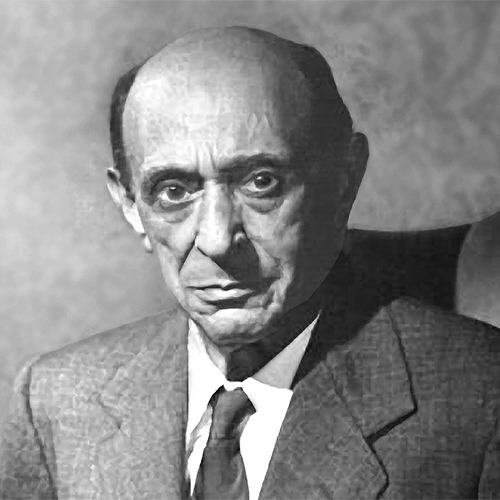
Arnold Schoenberg (1874-1951) rightfully considered himself the musical successor to both Richard Wagner and Johannes Brahms. Simultaneously extending their traditionally opposed German Romantic styles, Schoenberg started work on a song cycle for soprano, tenor and piano in 1900. For his