
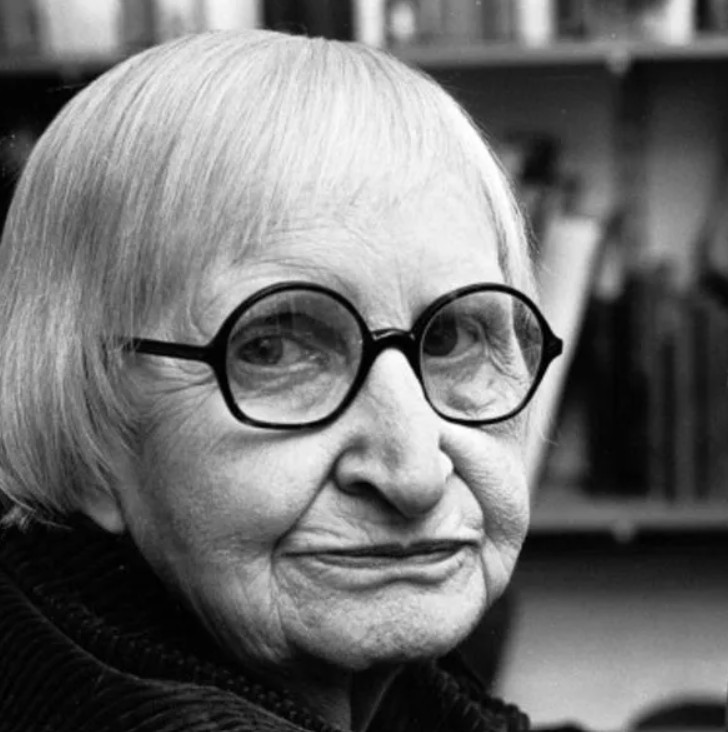
Elisabeth Lutyens (1906–1983) was one of the most daring and innovative British composers of the twentieth century. The daughter of famed architect Sir Edwin Lutyens, she defied both her family’s expectations and the male-dominated classical music world to carve out
Articles
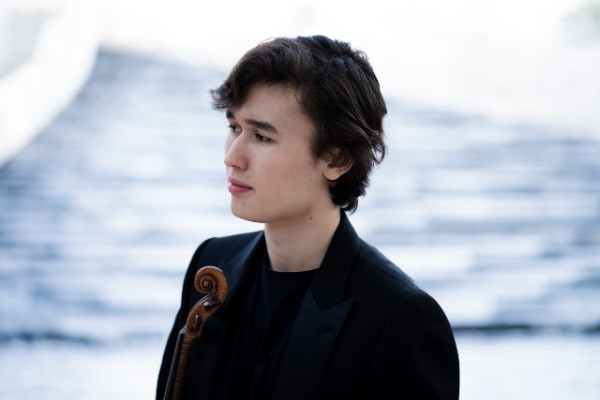
The Swedish violinist Daniel Lozakovich, born on 1 April 2001 in Stockholm, made his concert debut at age nine under Vladimir Spivakov in Moscow. The son of a Belarusian father and a Kyrgyz mother, he started playing the violin at
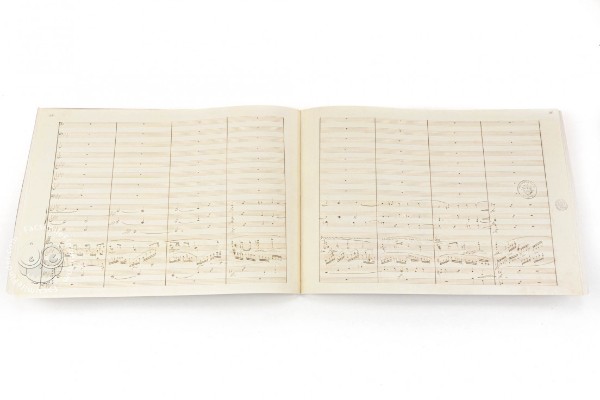
The Central Library of the Masovian Voivodeship, one of the largest public libraries in Poland, has just announced a sensational music find! This library was burned to the ground in January 1945 by retreating Nazi German soldiers, and roughly 300,000
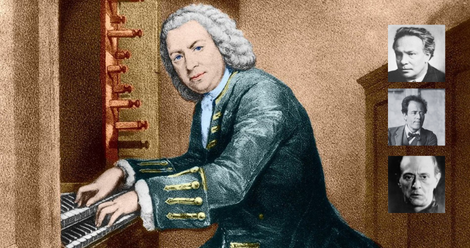
Happy Birthday to Johann Sebastian Bach, again! As we discovered last time, Bach’s birthday falls on either 21 March according to the Julian calendar, or 31 March if you prefer the Gregorian calendar. Bach probably celebrated his birthday on 21
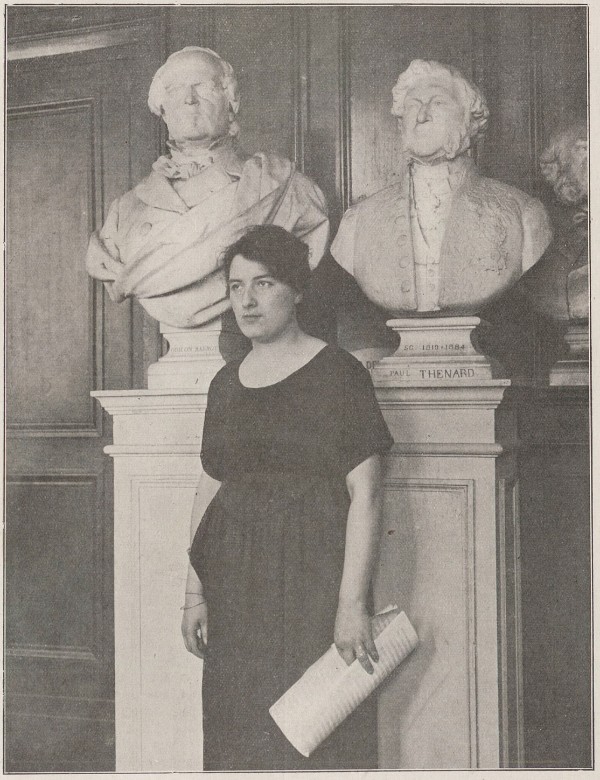
For two centuries, winning the Prix de Rome was the ultimate accomplishment for young French composers. The Prix de Rome, associated with the Paris Conservatory, was a fiercely competitive award that offered its winners the chance to create with fellow
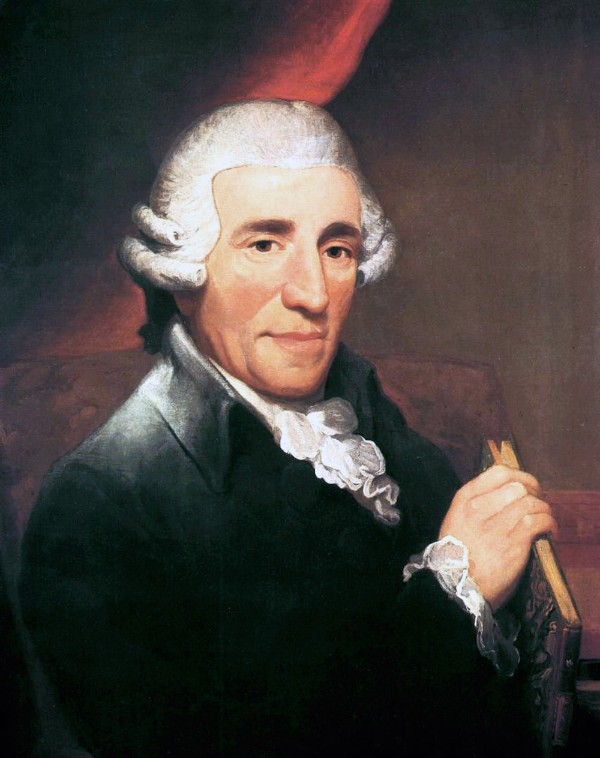
In all, Joseph Haydn (1732-1809) composed 106 symphonies. Of these, 104 have numbers associated with them, while two additional symphonies were discovered later. Have you noticed that, when Haydn symphonies get programmed these days, if at all, it’s always the
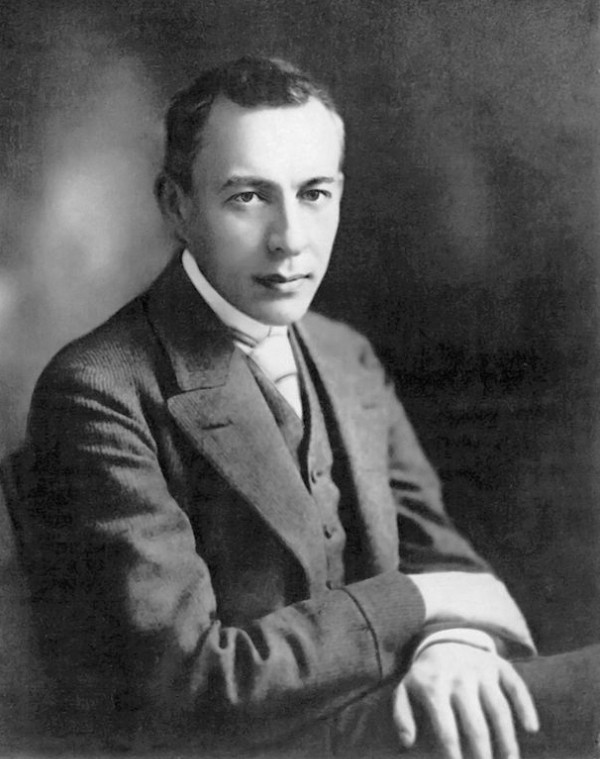
Historically, April has been packed with pivotal moments in classical music history. The month has seen the births of Russian giants like Sergei Rachmaninoff and Sergei Prokofiev, as well as the deaths of some of the world’s most famous composers,
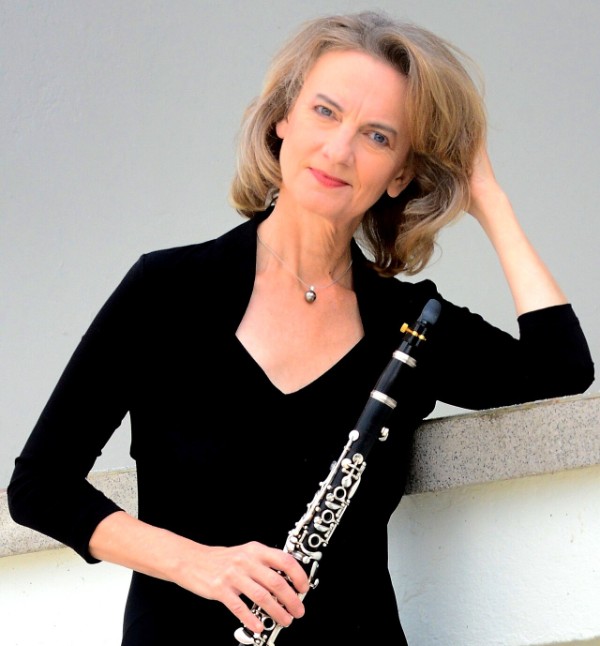
Born on 30 March 1959 in the rolling hills of southern Germany, Sabine Meyer grew up in a family dedicated to the clarinet. Her grandfather, her father, and her older brother all played the clarinet, and by the age of