
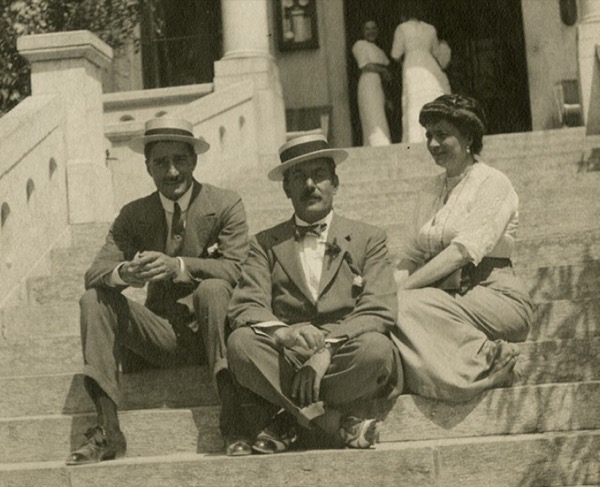
Giacomo Puccini is one of the most beloved composers in the history of opera. La Bohème, Tosca, Madama Butterfly: his works have never left the repertoire, and his name is remembered today by music lovers around the world. But what
Articles
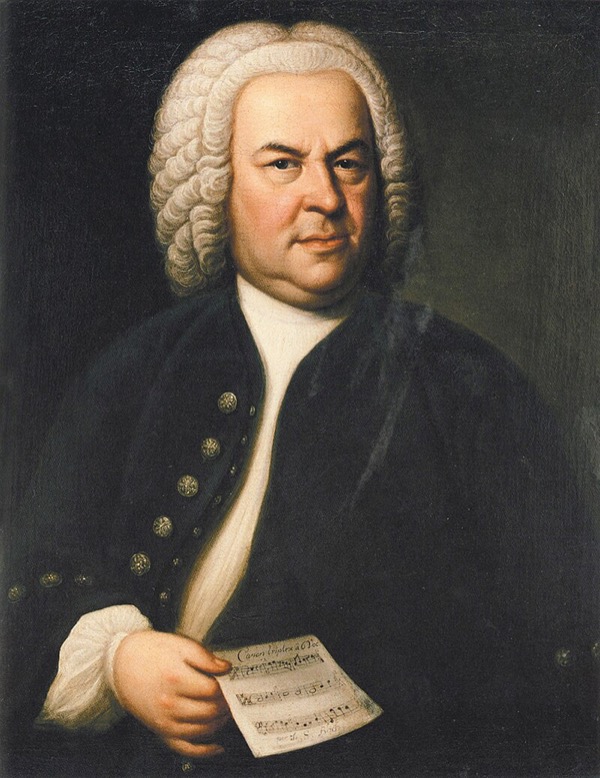
Not every work by the great composers finds a spot in the repertoire. There are many reasons why. Some are just uninteresting. Some are written for instrument combinations that never came into vogue. Some are early student attempts that are
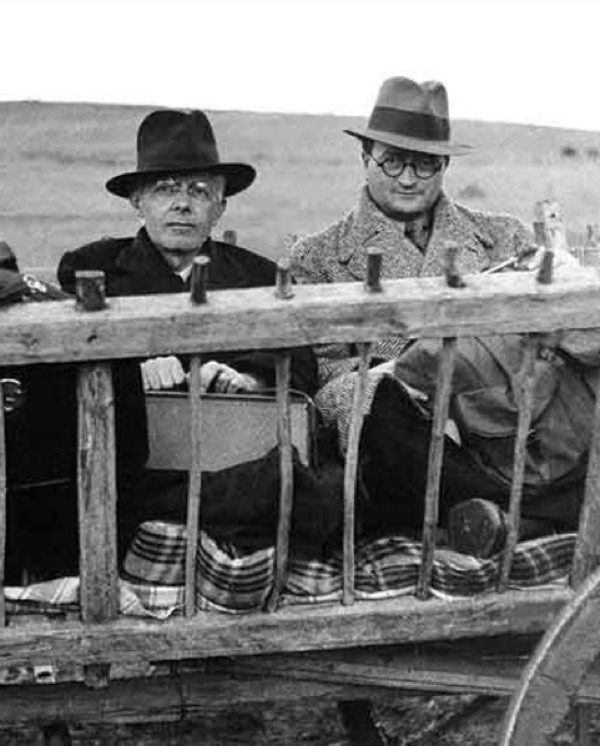
Anatolia includes most of the area now known as Turkey and, over the centuries, has served as a meeting point for Europe, Asia, and the Middle East. The combination of these various cultures has had a wide influence on the
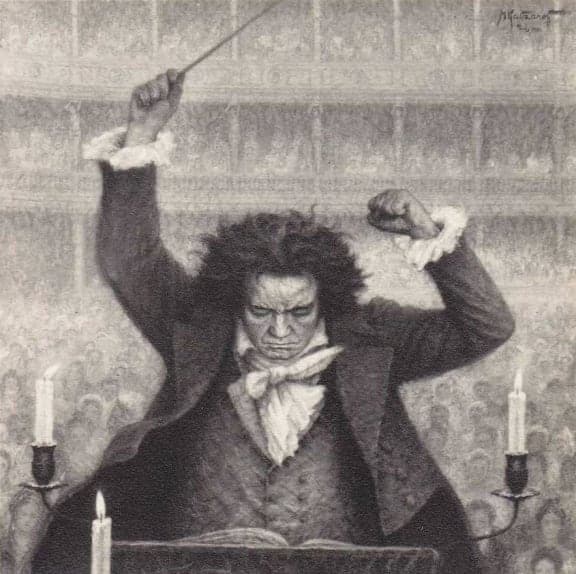
No piece of orchestral music pulls more people to YouTube than Beethoven’s Symphony No. 9, his last symphony for orchestra and chorus that ends with the glorious Ode to Joy. In fact, seven of the most-watched symphony videos of all
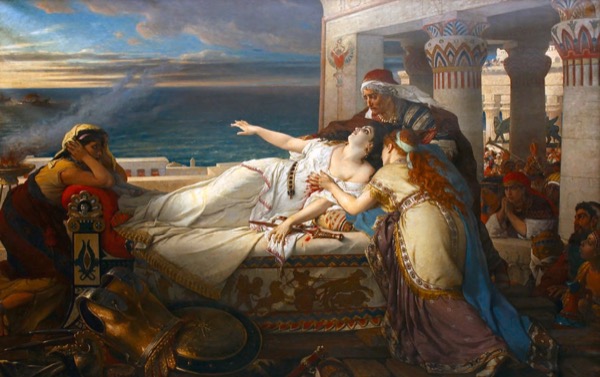
Imagine a theatre where the orchestra doesn’t just accompany but actively plots the drama. Where the sets literally explode, the dancers act out gory mythological murders between acts, and the leading lady ends the night by throwing herself into a
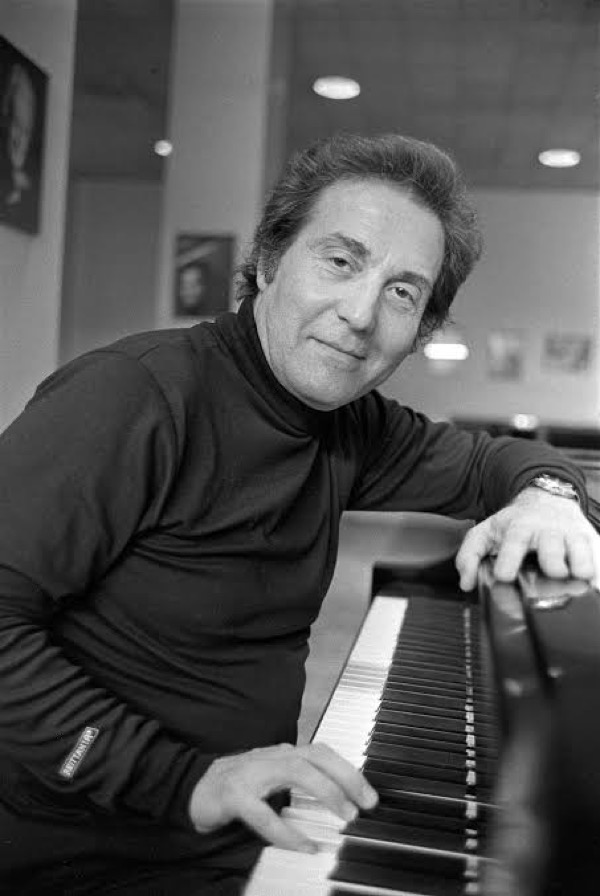
The French pianist Aldo Ciccolini was born on 15 August 1925 in Naples, Italy, but he made his home in Paris in the late 1940s. His artistry was a rare blend of precision and sensitivity, making his performances both captivating
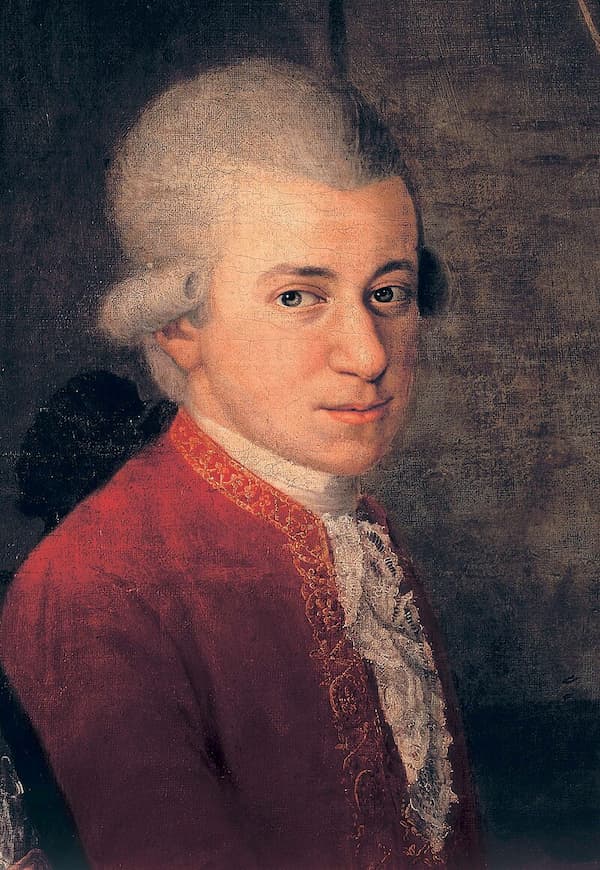
Wolfgang Amadeus Mozart is one of the most famous composers who ever lived – but the myths surrounding him sometimes obscure the quirkier facts about his life. Beyond the powdered wigs, Mozart was a complicated, funny, deeply human figure whose
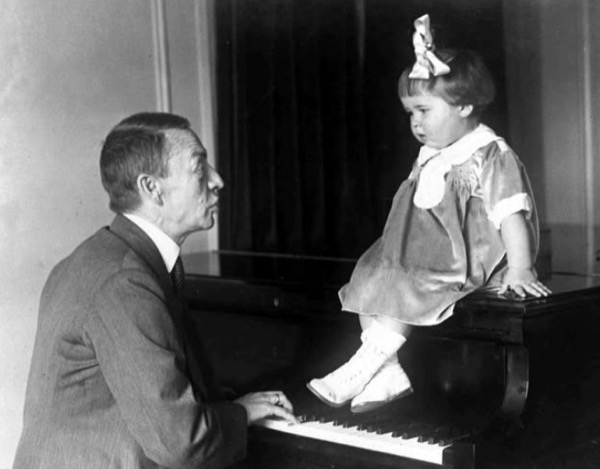
Composer and pianist Sergei Rachmaninoff had two daughters, Irina and Tatiana, born at the family estate of Ivanovka in 1903 and 1907. The Rachmaninoff children grew up between Russia, Dresden, and Switzerland before the Russian Revolution forced the family into